China Top DIY Phone Cases Suppliers for Global Buyers
The global market for Diy Phone Cases is moving beyond simple protection. Buyers now seek reliable materials, flexible customization, and suppliers who can deliver consistently. China remains a major sourcing hub because its factories combine mold development, printing, packaging, and assembly in one supply network. For overseas buyers, this creates opportunities, but it also demands careful supplier evaluation.
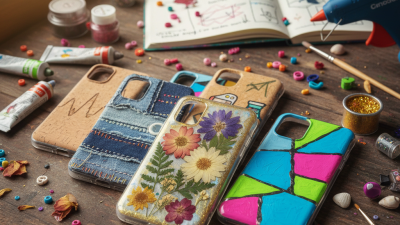
Wes Ng, co-founder and CEO of CASETiFY, has said, “Self-expression is at the heart of what we do.” This idea explains why Diy Phone Cases continue to attract retailers, creators, and promotional brands. A clear case with pressed flowers, a textured silicone cover, or a bold UV-printed design can turn an ordinary product into a personal statement. However, attractive samples do not guarantee dependable production. Buyers should examine material specifications, drop-test results, color consistency, packaging quality, and communication speed.
Details matter greatly. Ask whether the supplier supports small trial orders. Confirm compatibility with wireless charging and current phone models. Review how artwork is approved before mass production. A factory may offer hundreds of designs, yet struggle with one precise logo. That is a warning sign.
This guide introduces leading Chinese suppliers for global buyers. It considers manufacturing experience, customization depth, quality control, export readiness, and practical service. No supplier is perfect. Some may have stronger design teams but higher minimum orders. Others may offer competitive prices while needing closer quality supervision. That trade-off deserves honest attention. The right partner is not always the cheapest. It is the supplier that can repeatedly turn a digital concept into a durable, well-finished case.
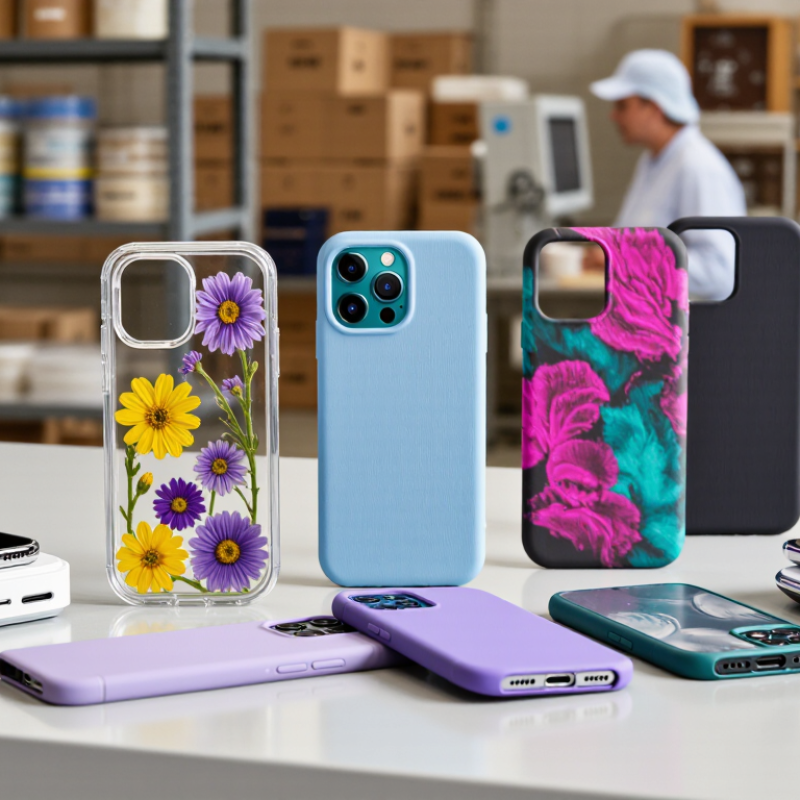
Understanding the China DIY Phone Case Supplier Market
China’s DIY phone case supplier market serves buyers seeking blank shells, decorating kits, and small-batch custom options. Suppliers often cluster around manufacturing and trading hubs, but capabilities differ widely. One may offer clear TPU cases and UV printing; another may focus on silicone blanks or resin-friendly surfaces. Details matter.
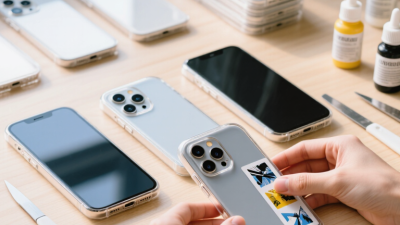
A useful inquiry should specify phone models, case material, finish, expected order volume, and decoration method. Ask for a physical sample before approving bulk production. Check camera cutouts, button access, edge fit, and surface adhesion during ordinary handling. Small flaws show quickly. Request the supplier’s inspection steps and clarify how defects are recorded. Confirm sample fees, production lead time, packing dimensions, and shipping terms in writing. Photos help, but they do not replace a sample.
DIY products can vary between batches, especially when colors, coatings, or bundled tools are involved. Compare quotations using identical specifications, not just the lowest unit price. Ask whether materials and assembly are handled in-house or through partners. That can affect timing and consistency. Customization may add setup costs or extend lead times. I would not assume every catalog option is ready for production; some listings may be aspirational, so ask directly.
Evaluating Supplier Capabilities, Materials, and Customization Options
Selecting China-based DIY phone case suppliers requires more than comparing prices. In my sourcing experience, production capability shows in sample consistency, mold precision, and response speed. Ask for recent product photos, factory videos, and sample approval records. A reliable supplier should explain daily capacity, quality checks, packaging methods, and lead times without vague promises. Small details matter. A loose camera opening can damage the customer experience.
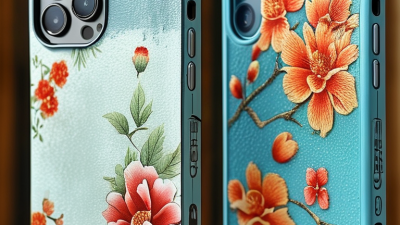
Material choice affects protection, appearance, and shipping cost. Common options include TPU, polycarbonate, silicone, recycled materials, and hybrid constructions. TPU offers flexibility, while polycarbonate supports sharper printing and stronger structure. Request material specifications, surface-finish samples, and odor checks before placing a larger order. Customization may include full-color artwork, raised logos, transparent windows, textures, inserts, or retail packaging. However, complex designs often increase tooling costs and production time. I have seen attractive prototypes fail because colors changed after mass production. That risk deserves honest discussion.
Tips: Test samples on several phone models and inspect edges, buttons, ports, and print alignment. Confirm minimum order quantities, replacement terms, inspection procedures, and destination-market documentation in writing. Ask whether the supplier can manage small trial runs. This reveals flexibility. Do not rely on certificates alone; verify their scope and validity. My own evaluation can still miss hidden production issues, so independent inspections remain useful for larger orders.
Comparing China’s Leading DIY Phone Case Manufacturers
Comparing China’s leading DIY phone case manufacturers means looking beyond catalog photos. Some factories focus on flexible TPU shells, while others offer rigid polycarbonate blanks suited to printed designs. Ask how they control color matching across repeat orders. A sample under daylight can reveal differences that a screen hides. Details matter. Check camera openings, button response, and edge alignment on the exact phone models you plan to sell.
Production scale is only one comparison point. Request the sample fee, minimum order quantity, customization options, and a realistic lead time in writing. For printed cases, ask about scratch resistance and adhesion after repeated handling; for clear cases, check whether the material yellows during storage tests. Suppliers may describe these checks differently, so request photos or inspection records rather than relying on broad claims. Not always easy. A small trial order can expose uneven print placement or packaging that scuffs glossy surfaces. Even a careful supplier can miss a detail, and a buyer’s design file may contribute to the problem. Review one approved sample against the final artwork before confirming production.
China Top DIY Phone Cases Suppliers for Global Buyers — Comparing China’s Leading DIY Phone Case Manufacturers
Typical density ranges of materials commonly used in phone cases (g/cm³). These material benchmarks can help buyers assess product options; they are not supplier-specific performance data.
Values are approximate and vary by grade, additives, and formulation. Confirm material specifications with suppliers before comparing quotations.
Checking Quality Standards, Production Capacity, and Certifications
For global buyers sourcing DIY phone cases, supplier checks should go beyond attractive sample photos. Ask how the factory controls material thickness, print alignment, button cutouts, and edge finishing. On a clear case, inspect for haze, trapped dust, and yellowing after light exposure. Small defects show clearly under retail lighting. Request written acceptance limits before approving bulk production.
Production capacity needs evidence, not a confident estimate. Compare quoted monthly output with worker shifts, molding equipment, and packaging space. Ask for a recent production schedule and a pilot order using your artwork and packaging. Track defect rates and delivery dates. A supplier may perform well on a small run but struggle when several designs launch together. Discuss that gap openly.
Tips: Request current certificates and test reports, then verify their scope, issuing body, dates, and coverage for your product and destination market. Ask for batch inspection records and retain samples from approved production. Paperwork is useful, but it cannot replace a physical check. Consider independent inspection for larger orders, and document corrective actions with clear deadlines.
Managing Pricing, Orders, Shipping, and Global Buyer Requirements
Global buyers comparing DIY phone case suppliers need a clear price breakdown, not one attractive unit figure. Ask whether the quote includes blank cases, printing or decoration, protective film, packaging, and setup charges. A vivid sample can hide costs that appear in a larger order. Small details matter.
Before confirming, share a written order sheet listing compatible phone models, dimensions, color references, decoration methods, quantities per design, and acceptable defect limits. Confirm how mixed designs affect minimum quantities and production timing. Request a pre-production sample when texture or color matching matters. Rushed approvals can cause avoidable rework; a photo is not always enough.
Shipping plans should specify carton size, gross weight, dispatch window, destination details, and who arranges freight and insurance. Compare the estimated landed cost, allowing for destination charges and transit variation. Keep tracking and packing records together. Dates are estimates, not promises. Supplier communication can be imperfect, so agree on update points and record changes promptly.

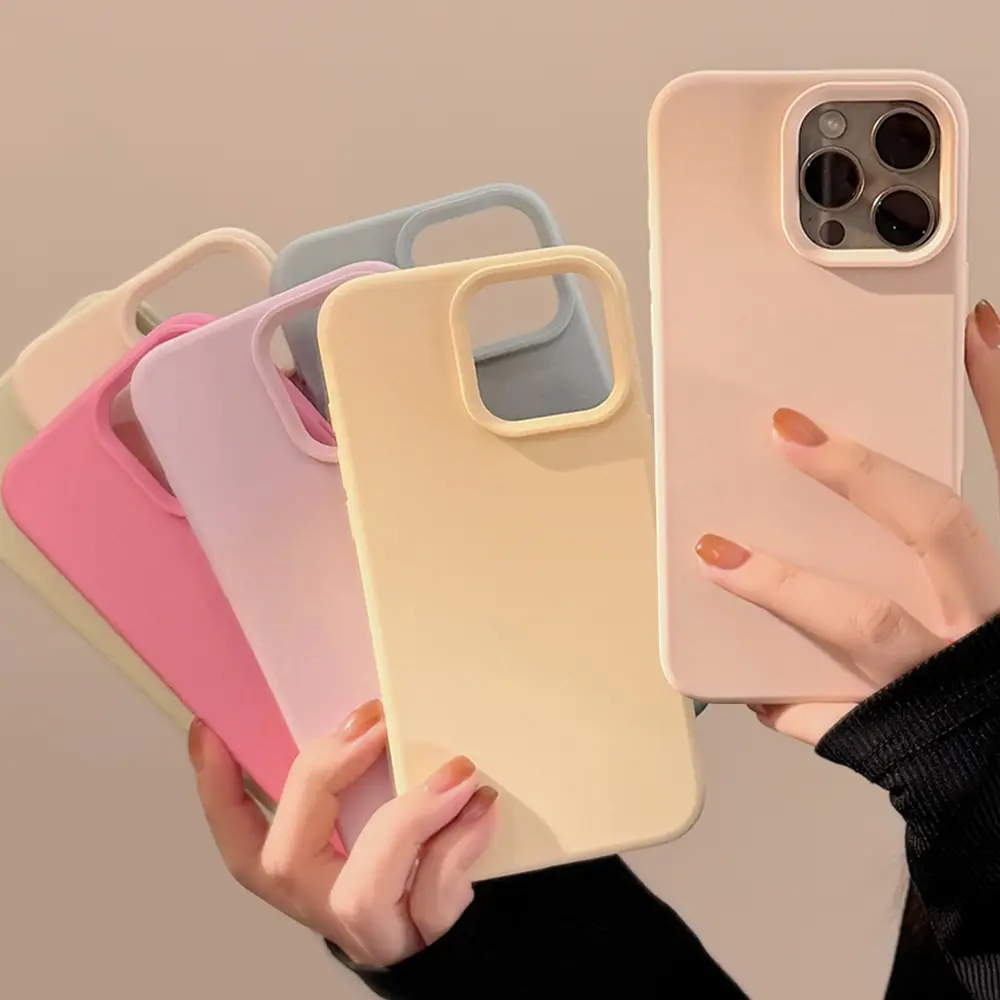 TPU Solid Color Series
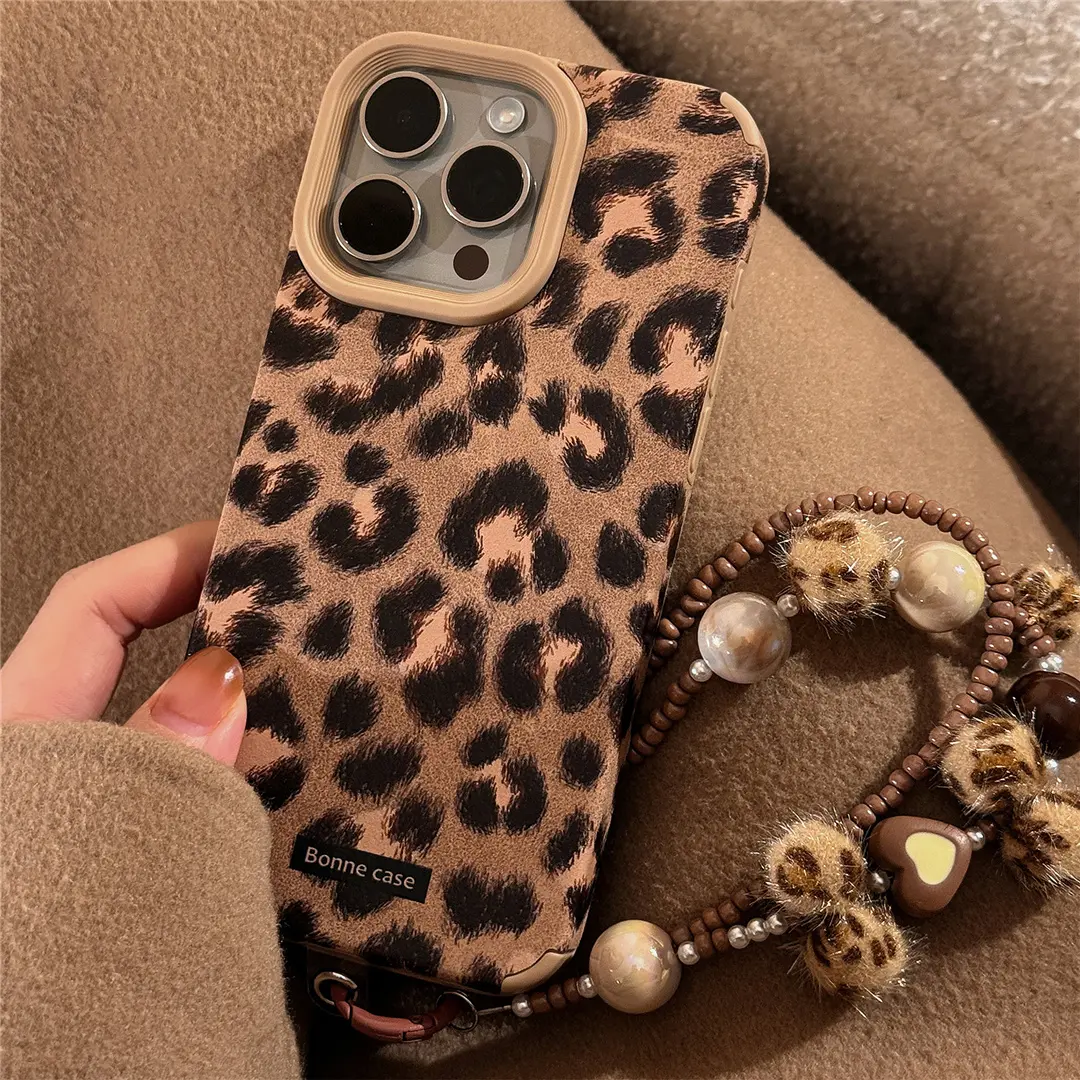 Adhesive Series
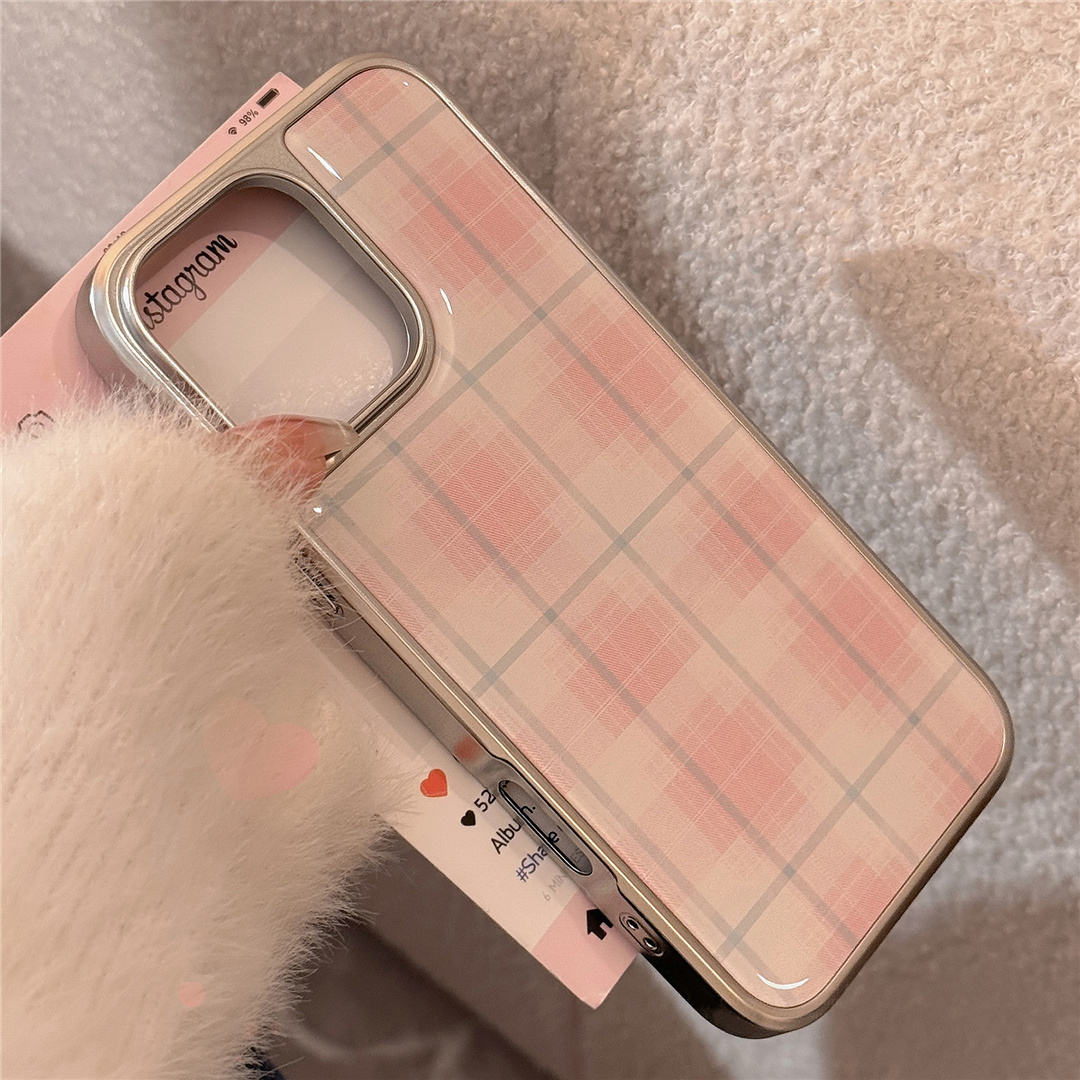 Drip Glue Series
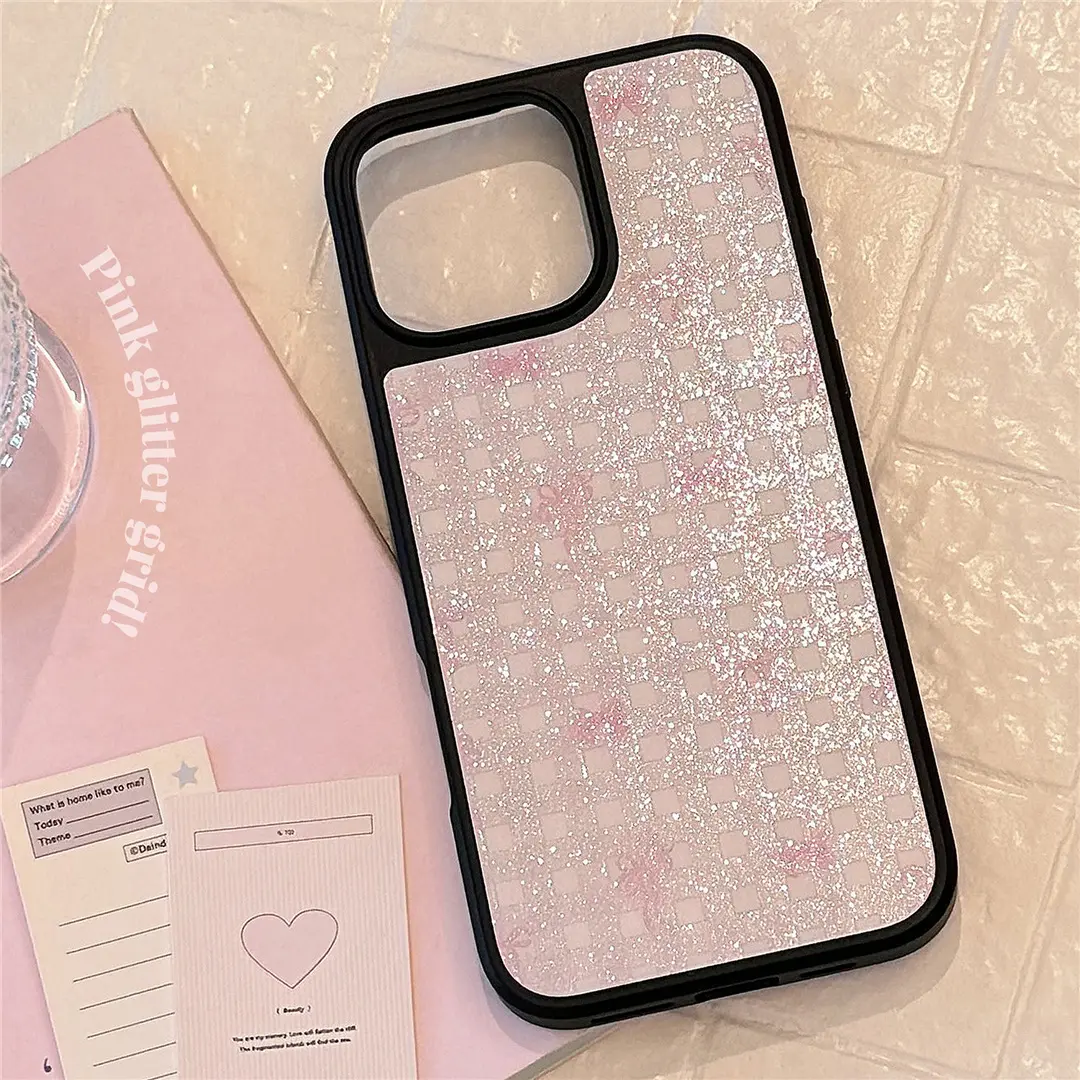 Liusha Series
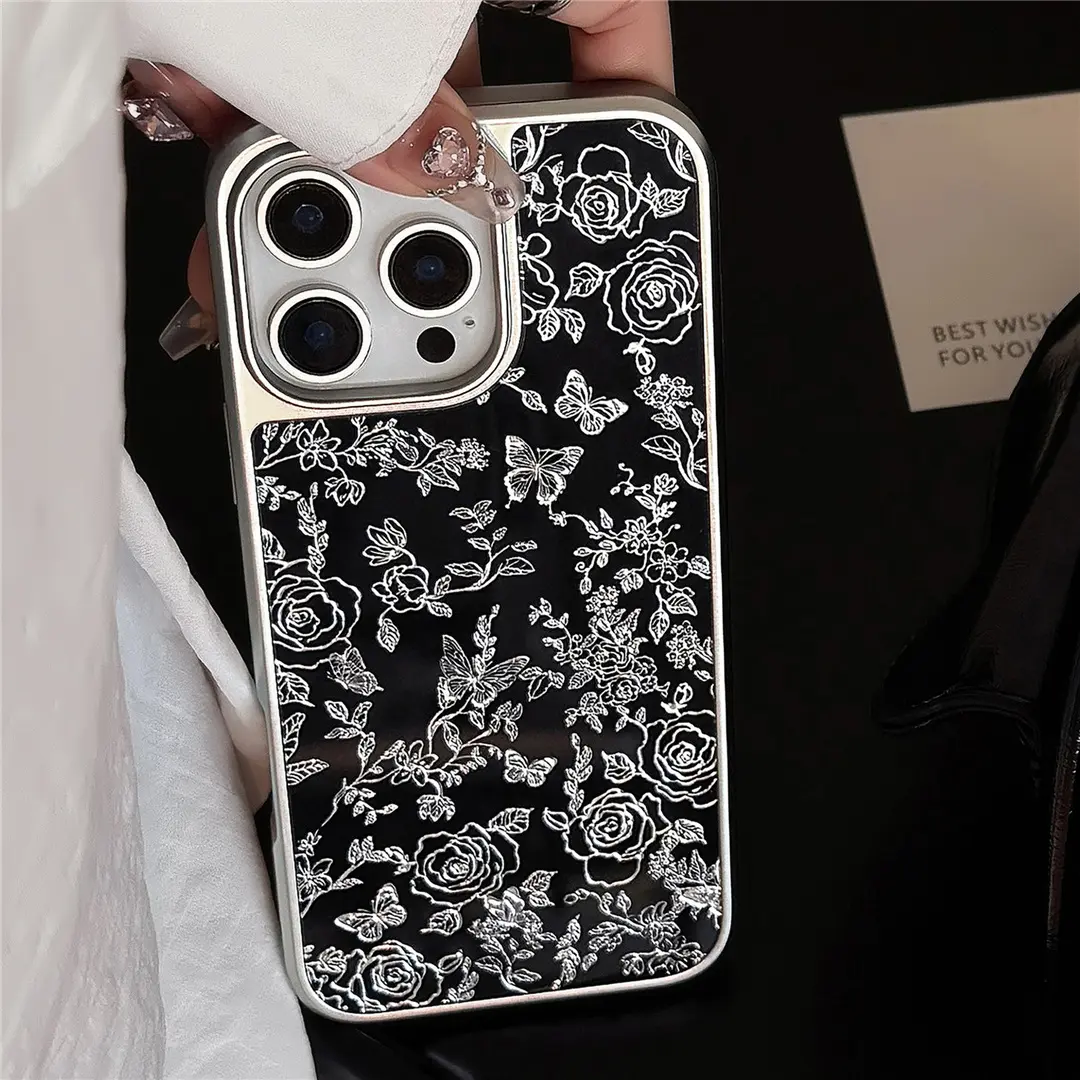 Gilded Series
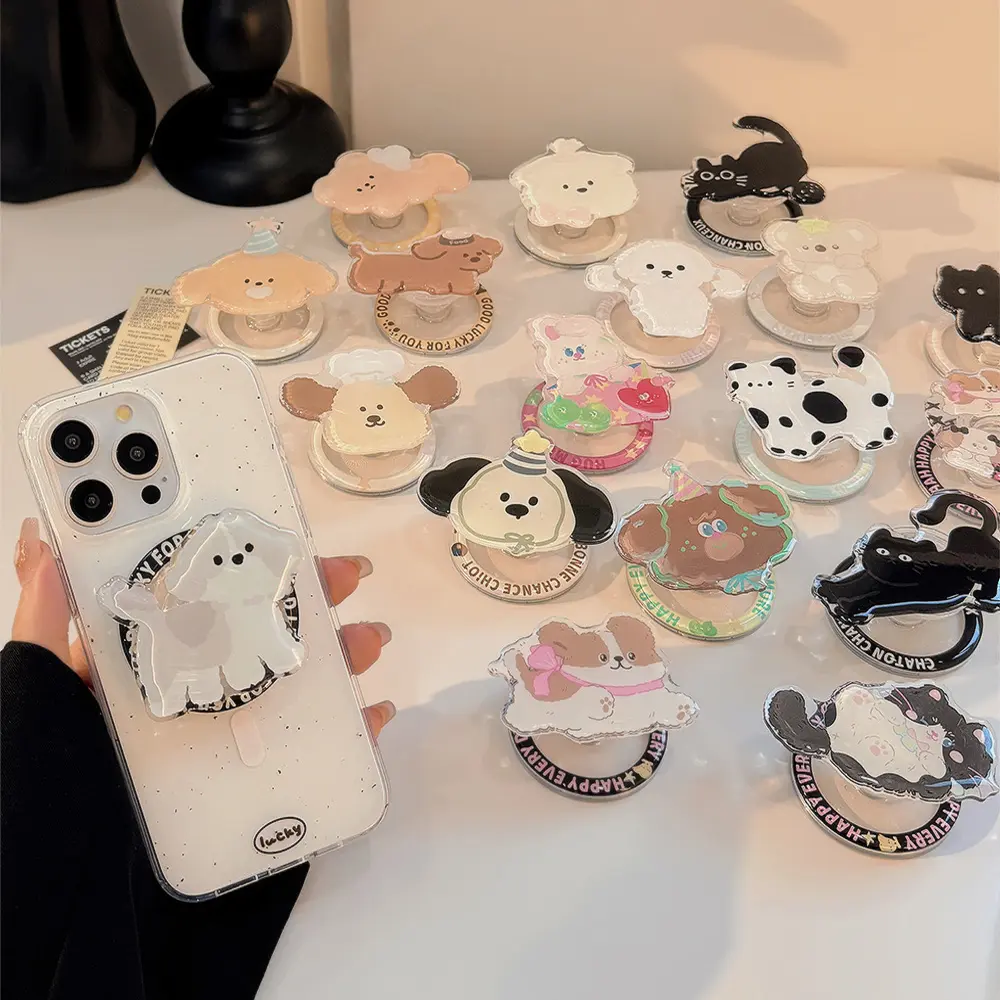 Magnetic Series
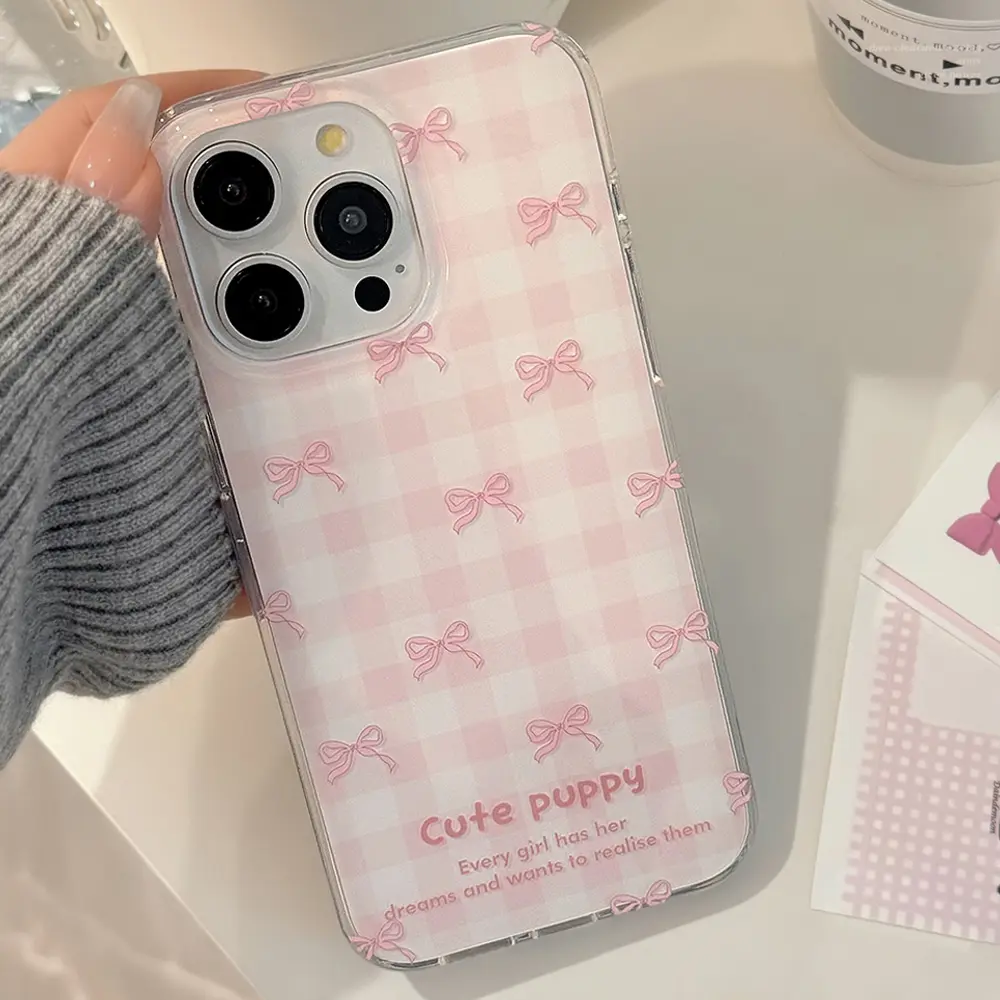 IMD Series
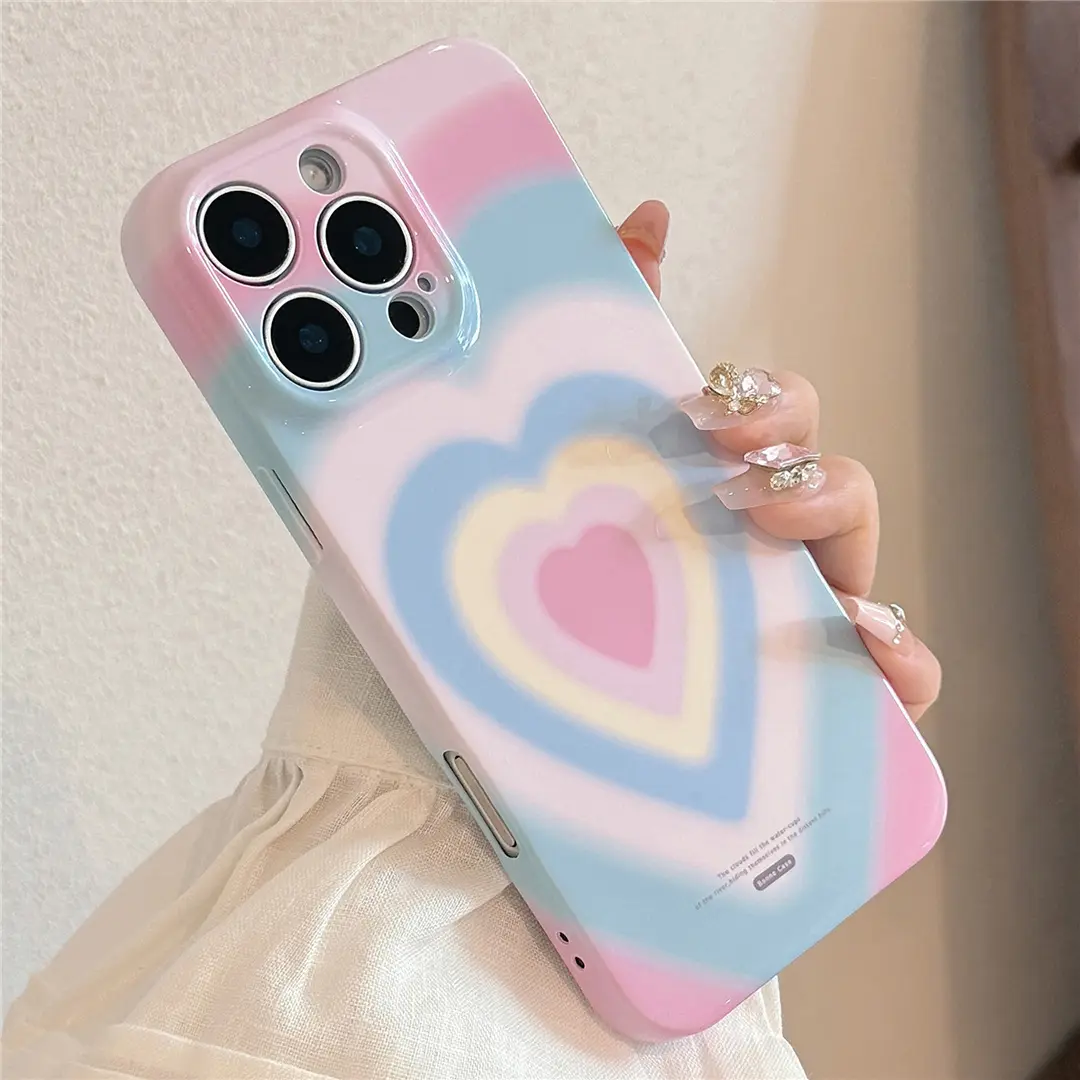 Film Series
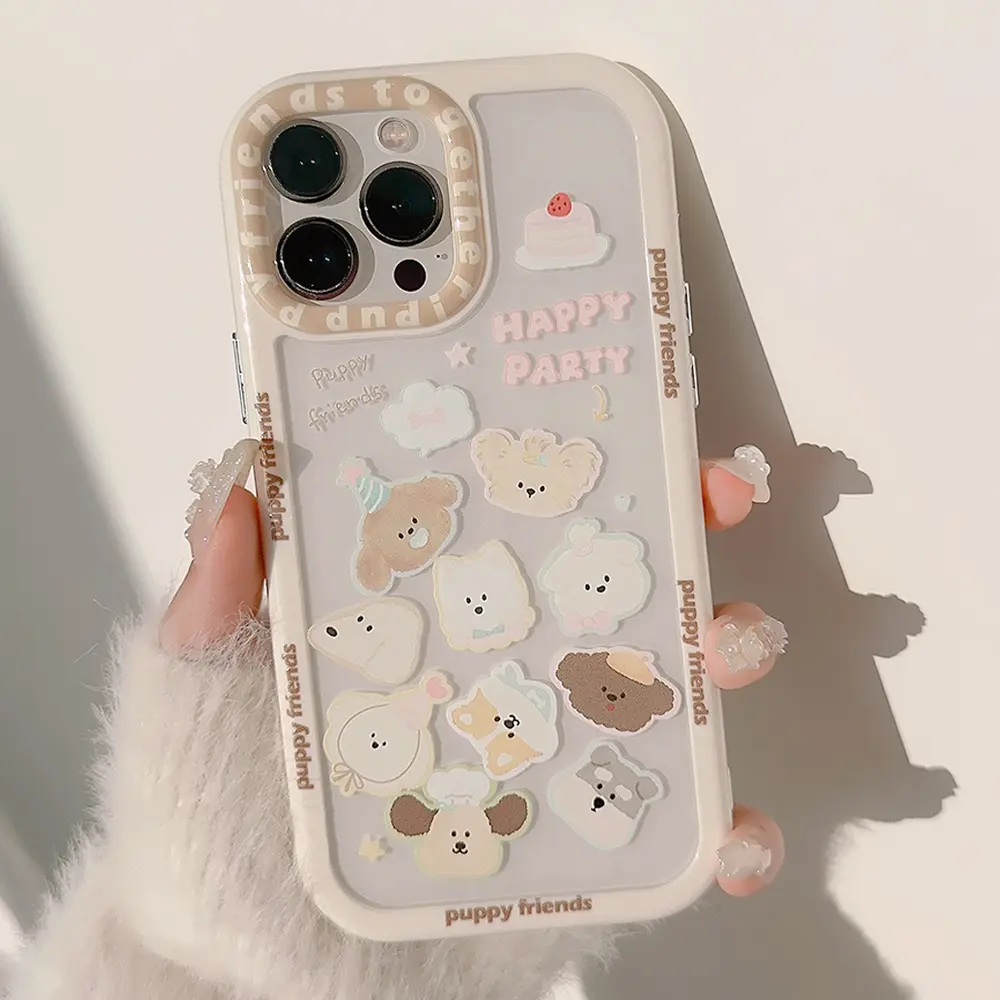 Painting Series