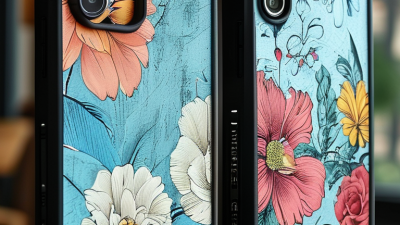
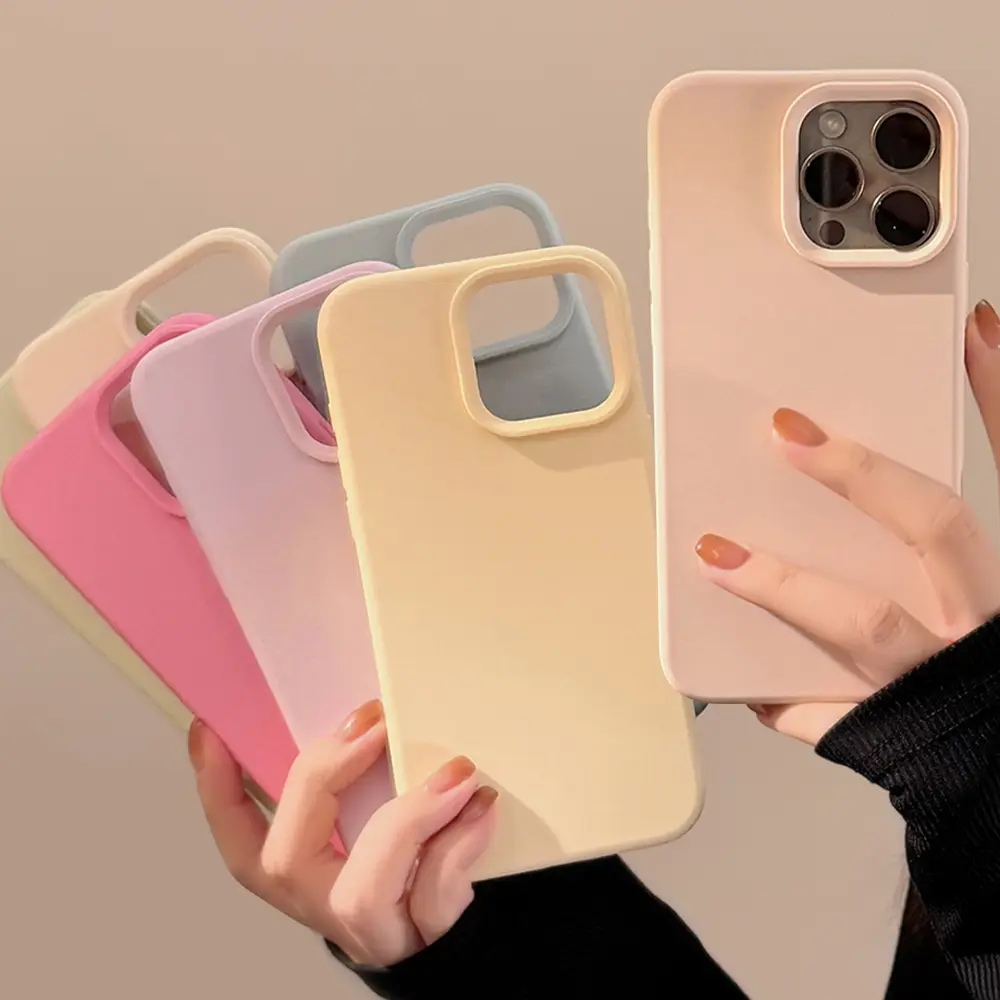
 TPU Solid Color Series
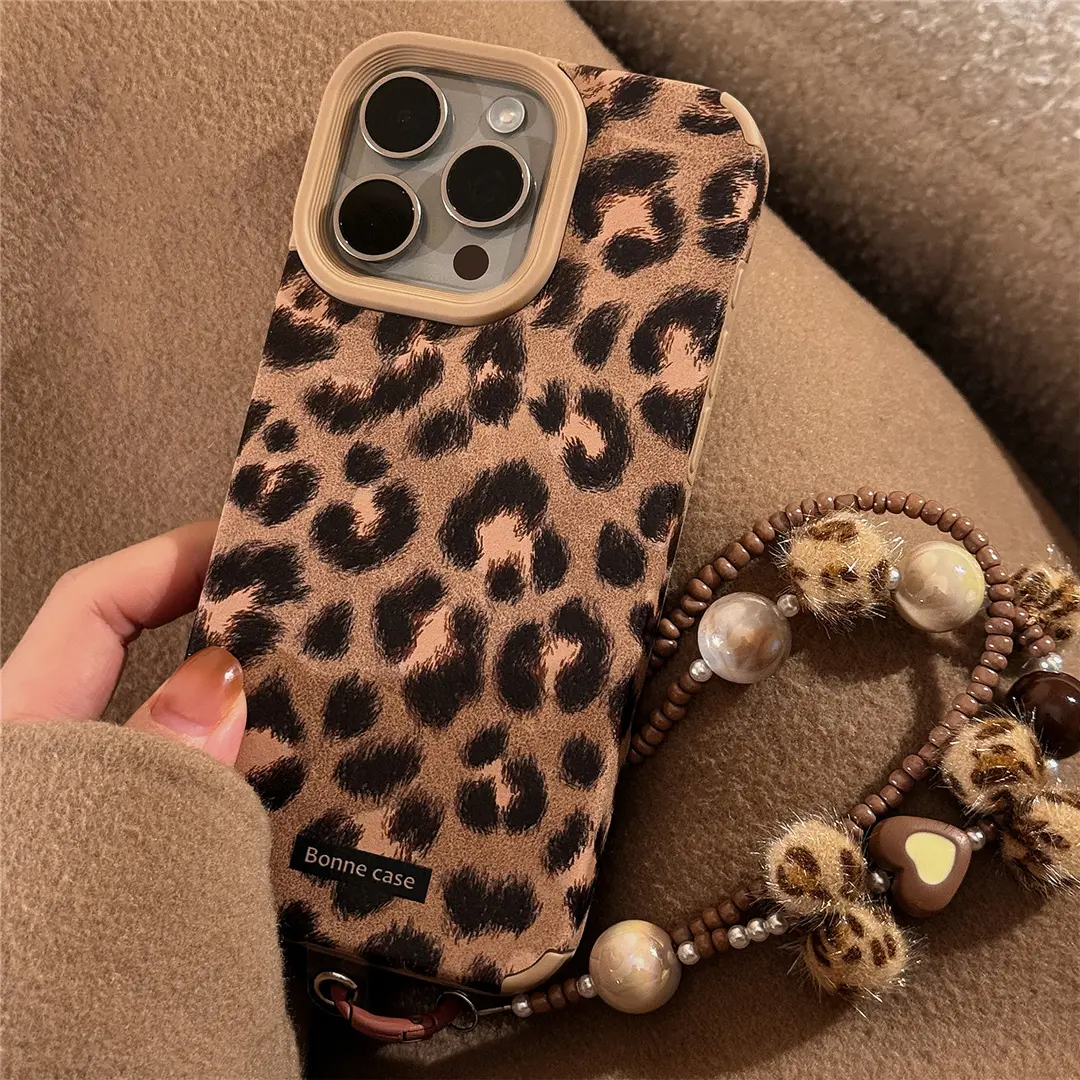 Adhesive Series
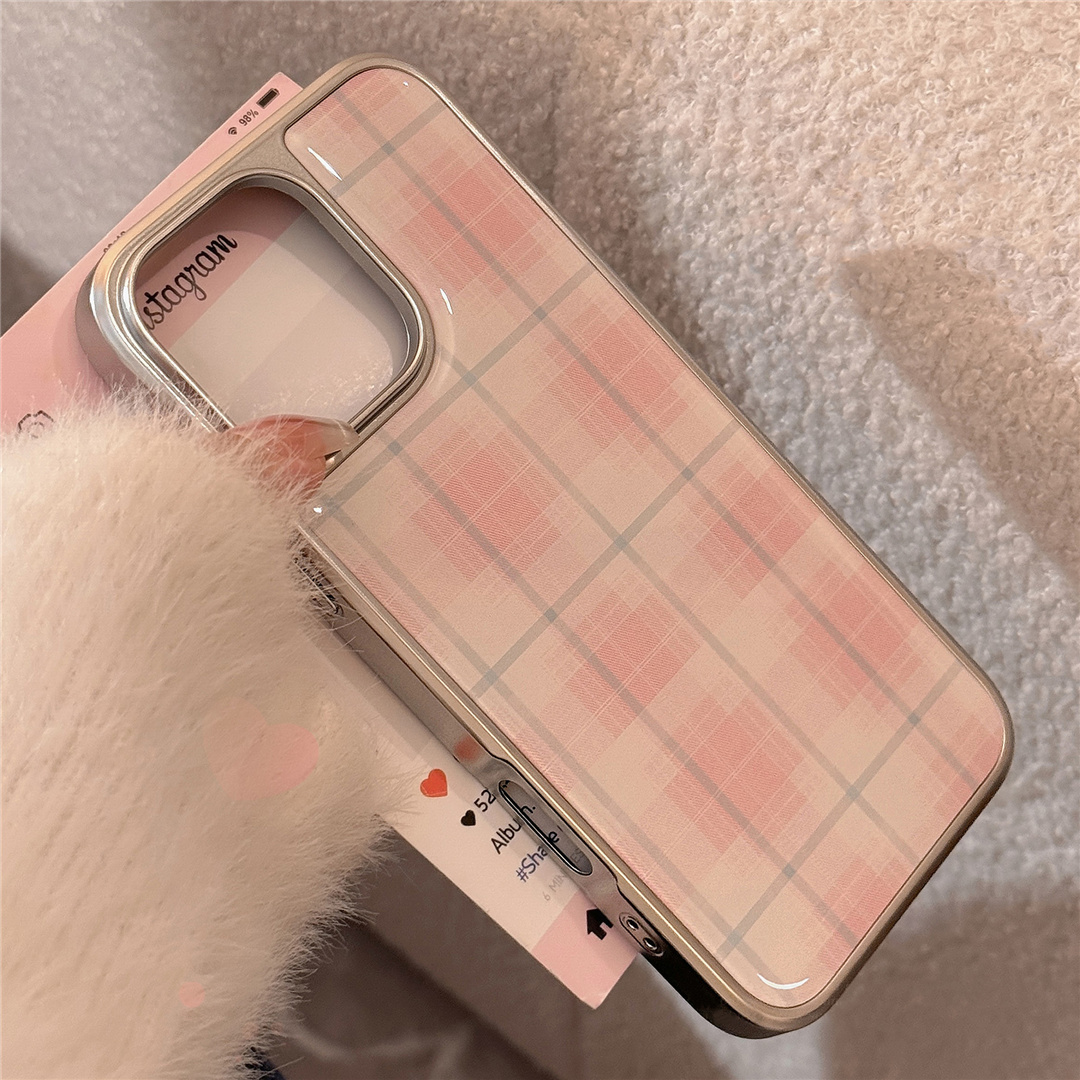 Drip Glue Series
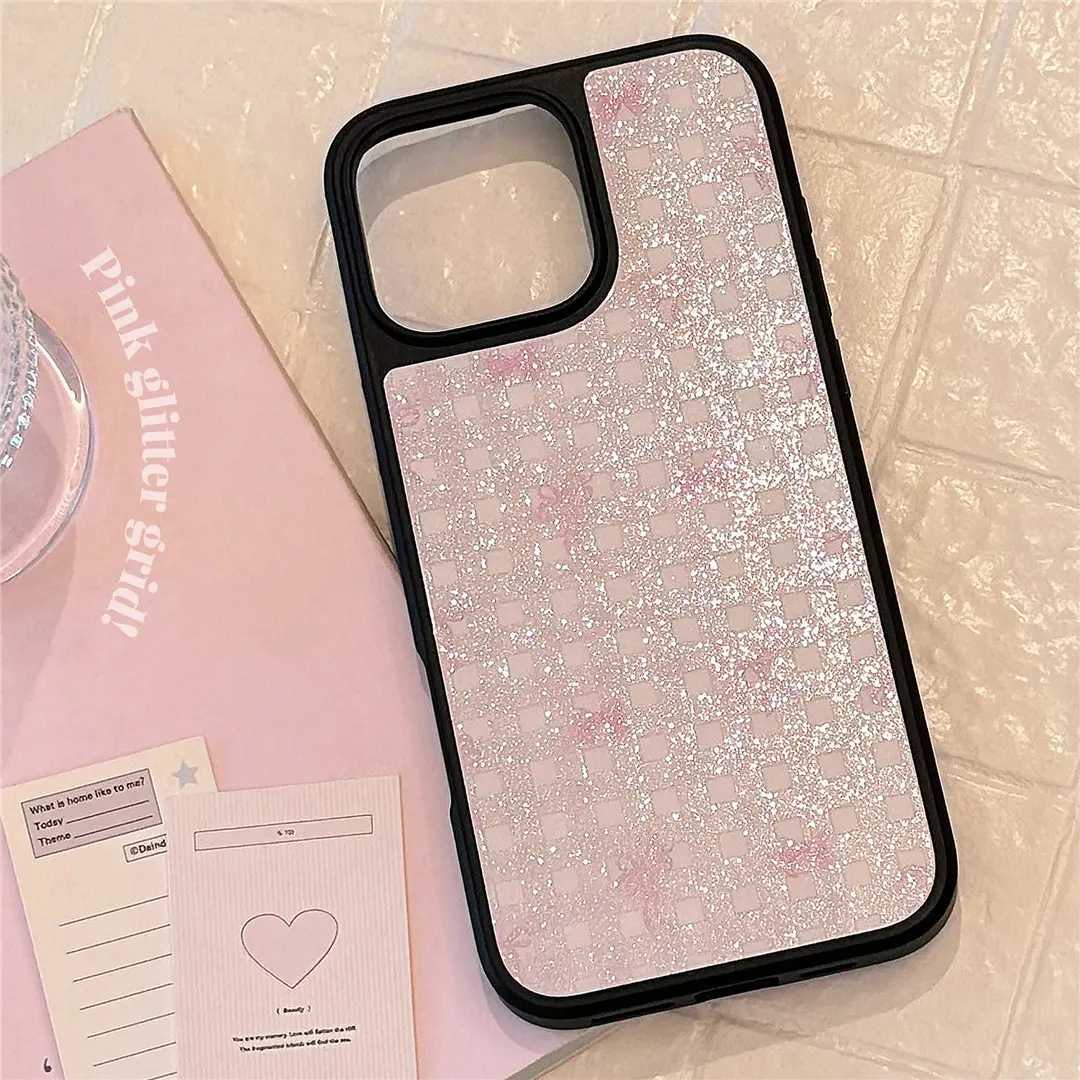 Liusha Series
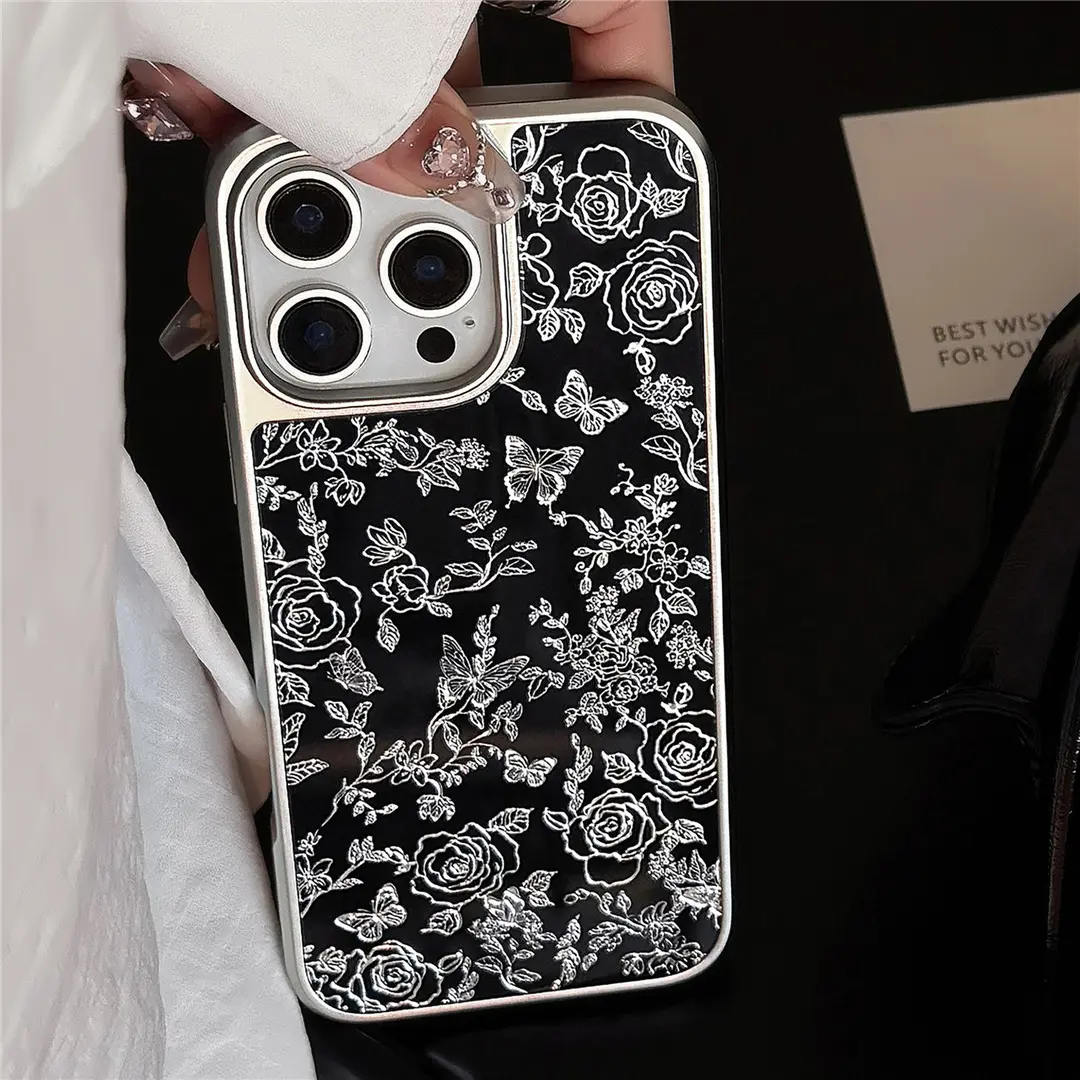 Gilded Series
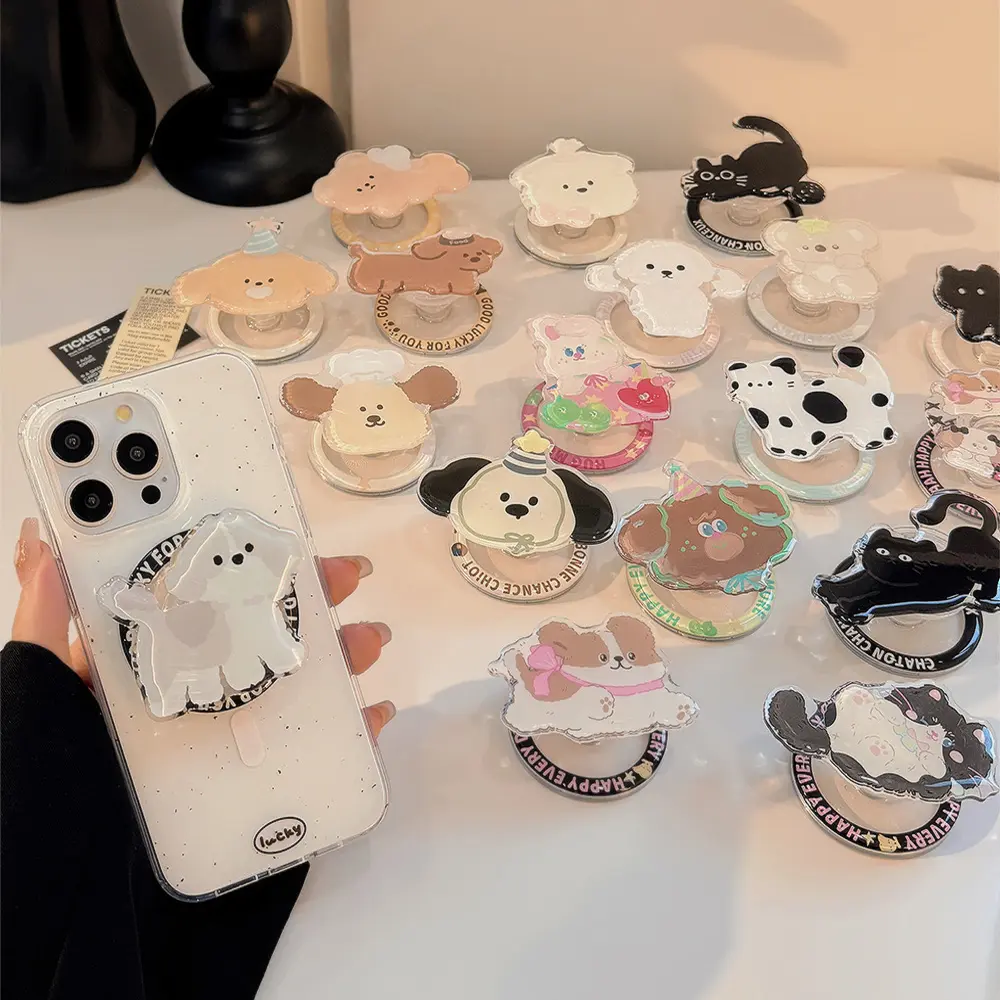 Magnetic Series
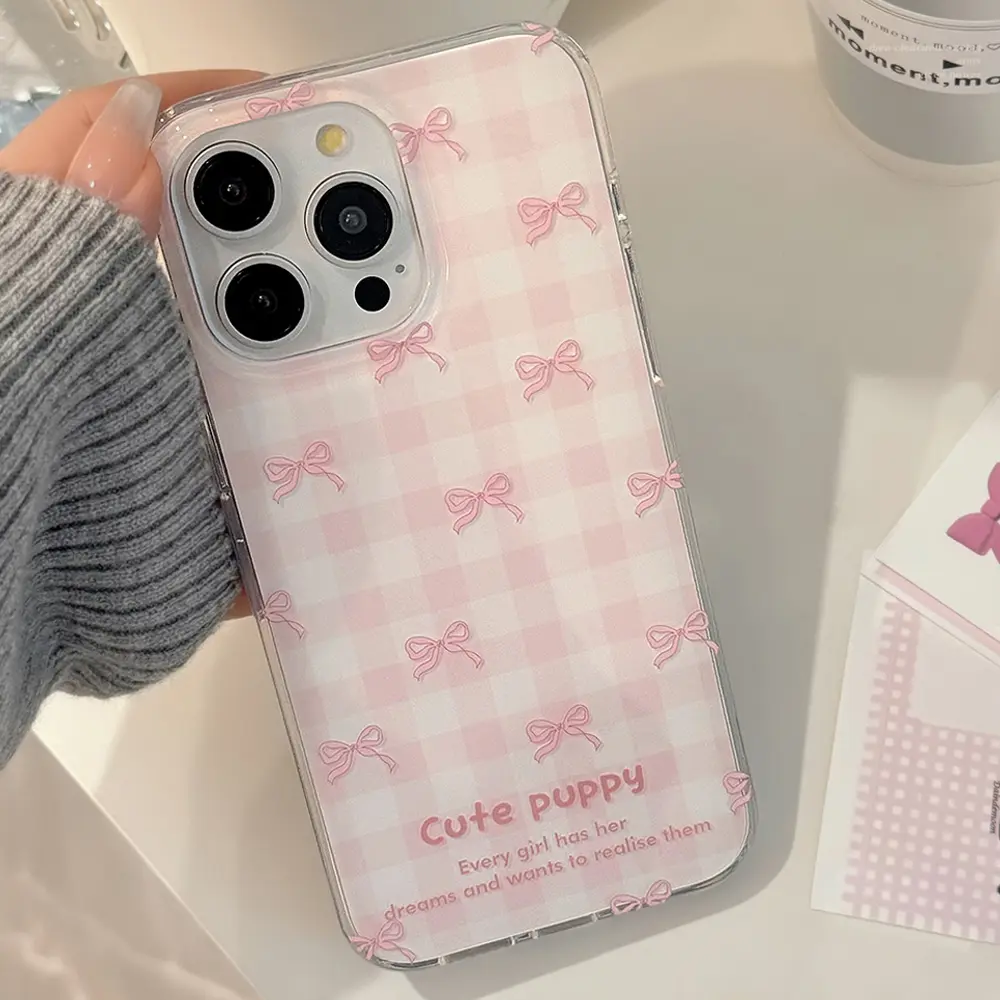 IMD Series
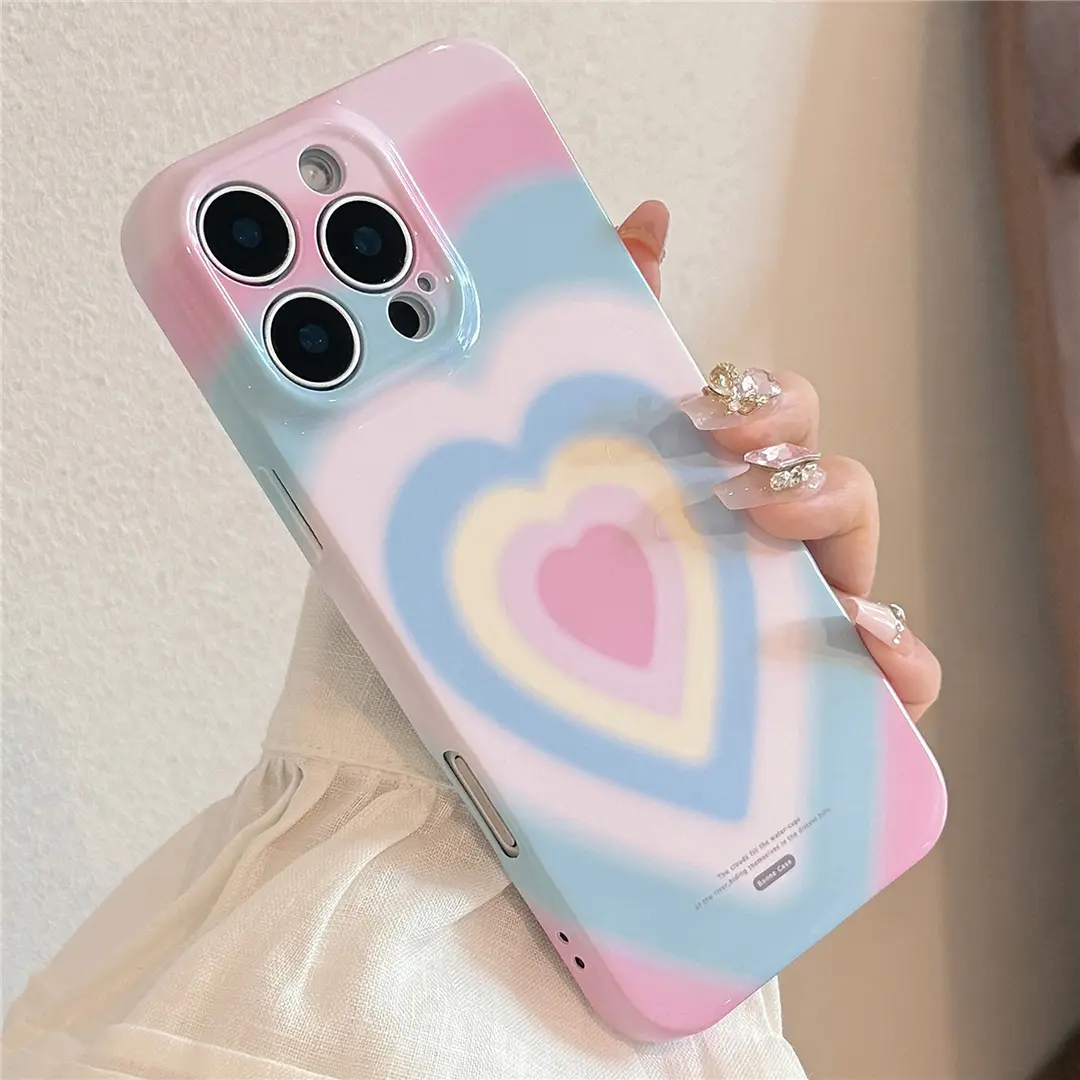 Film Series
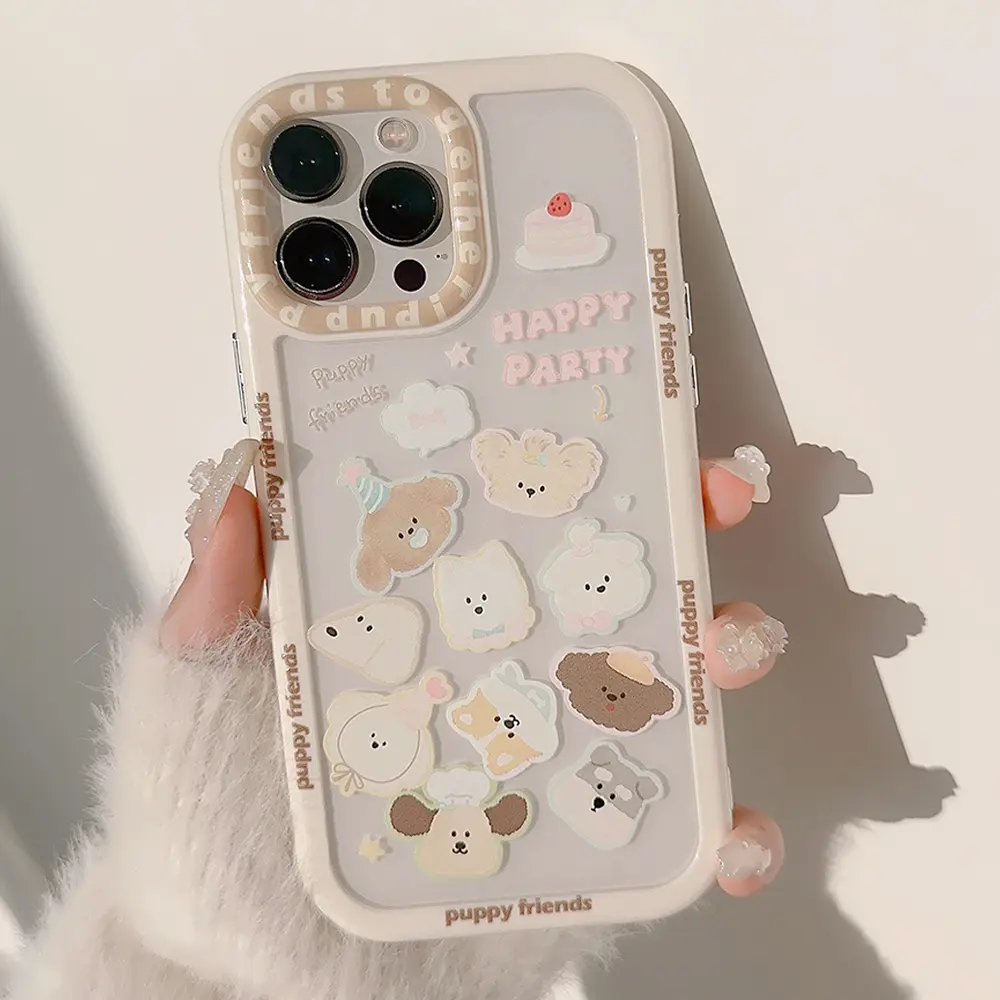 Painting Series
Leave Your Message
-
E-mail
-
Whatsapp

Choosing the right Film Phone Case for wholesale requires more than attractive product photos. Buyers need dependable protection, stable supply, and clear commercial value. In 2026, phone models will continue changing quickly, making accurate compatibility information essential. A case that fits one generation may not fit the next.
This guide examines materials, camera protection, edge coverage, surface feel, and production consistency. We will consider flexible TPU, reinforced frames, recycled materials, and transparent finishes. Practical testing matters. A reliable sample should survive repeated handling, pocket friction, and ordinary table drops. It should also keep buttons responsive and wireless charging functional. Small details matter.
Wholesale buyers should review minimum order quantities, sample policies, lead times, packaging quality, and customization options. A supplier may offer a low unit price but create hidden costs through weak packaging or inconsistent sizing. That risk deserves attention. No Film Phone Case performs perfectly in every environment. Some clear finishes may yellow over time, while stronger frames can add bulk. This guide acknowledges those trade-offs instead of promising unrealistic results.
The recommendations will focus on evidence-based selection and real purchasing decisions. Product claims should be checked through samples, specifications, and supplier communication. Buyers can compare protection, appearance, durability, and margin potential more confidently. A successful order is not only attractive on a catalog page. It must arrive consistently, fit correctly, and satisfy the end customer.
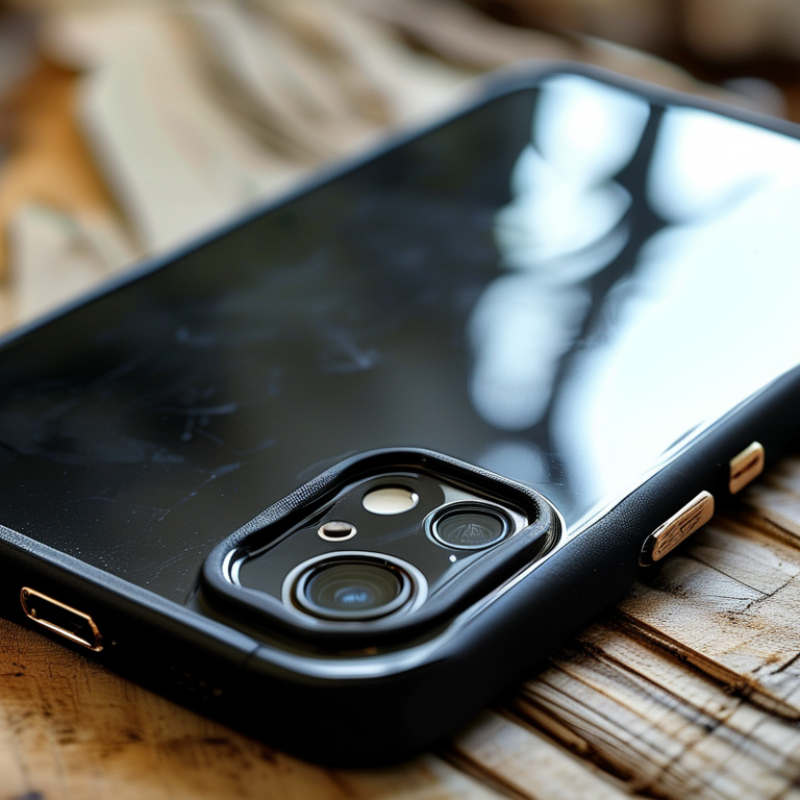
A film phone case is a thin, flexible protective cover made from TPU, polycarbonate film, or layered polymer materials. It wraps around the phone with minimal added bulk. Unlike a screen protector, it covers the rear panel, edges, and camera area. The word “film” describes its slim structure, not a removable decorative sticker.
For wholesale buyers, thickness and recovery matter. A useful film case should bend without whitening, return to shape after light pressure, and keep button feedback crisp. In a warehouse test, check ten pieces from different cartons. Look for uneven corners, weak camera openings, and cloudy surfaces. Small flaws become expensive when repeated across thousands of units. Statista Market Insights reports that smartphone users worldwide remain above six billion, supporting steady demand for protective accessories. However, demand does not guarantee quality.
Grand View Research identifies mobile phone accessories as a growing market, driven partly by frequent device upgrades and personalization. Film cases fit this trend because they are light, stackable, and cheaper to ship than rigid designs. Yet “eco-friendly” claims require caution. Material composition, recycled content, and packaging should be verified through supplier documents, not marketing language alone. This is where my own purchasing experience feels imperfect: a thinner case often sells well, but it may protect poorly during a corner drop. Wholesale evaluation should balance appearance, repeat-order consistency, testing records, and realistic protection claims.
| Evaluation Dimension | Typical Specification or Option | What It Means | Wholesale Buyer Considerations | Recommended Positioning |
|---|---|---|---|---|
| Product Definition | Thin protective phone cover made from flexible film materials | A film phone case is designed to protect a phone from light scratches, fingerprints, and everyday surface wear while maintaining a slim profile. | Confirm whether the item is a full case, a back film, a frame film, or a hybrid product with additional rigid components. | Suitable for customers who prefer minimal bulk and a close-to-device appearance. |
| Common Film Materials | TPU, PET, TPU-PET laminate, or other flexible polymer films | Material selection affects flexibility, optical clarity, surface feel, resistance to yellowing, and ease of installation. | Request material composition, safety documentation, and samples before placing a large order. | Offer multiple material grades for entry-level, standard, and premium product lines. |
| Typical Thickness | Approximately 0.15–0.50 mm for thin film-style products | Thinner films preserve the original device feel, while thicker films generally provide greater structure and handling durability. | Verify the measured thickness of the finished product, including adhesive layers and surface coatings where applicable. | Use ultra-thin options for minimalist buyers and thicker flexible options for customers seeking added daily protection. |
| Protection Level | Basic to moderate protection against scratches, scuffs, fingerprints, and minor surface contact | Film cases are not normally designed to provide the same drop protection as thick, shock-absorbing cases with reinforced corners. | Product descriptions should clearly state protection limits to reduce returns caused by unrealistic expectations. | Market as a slim everyday shield rather than a heavy-duty impact case. |
| Impact Resistance | Limited impact absorption; depends on film thickness, polymer structure, and edge coverage | Flexible film can reduce surface damage but usually cannot fully absorb energy from high-impact drops. | Ask for test methods and results instead of relying only on terms such as “impact-resistant” or “drop-proof.” | Combine the film layer with reinforced edges or a compatible bumper when higher protection is required. |
| Surface Finish | Clear, matte, frosted, glossy, textured, or anti-fingerprint finish | The finish changes appearance, grip, visibility of fingerprints, and the way printed graphics look. | Check haze, gloss, touch feel, print compatibility, and consistency across production batches. | Clear finishes suit device-focused designs; matte finishes suit users seeking reduced glare and fingerprints. |
| Device Fit | Model-specific cutouts for cameras, buttons, speakers, microphones, and charging ports | Accurate dimensions are essential for alignment, usability, and protection around sensitive areas. | Approve physical samples for every phone model and check camera clearance, button response, and port access. | Prioritize models with stable demand and maintain a controlled list of supported device dimensions. |
| Adhesive or Grip System | Low-residue adhesive, static cling, elastic fit, or surface-grip construction | The attachment method affects installation, repositioning, residue, and long-term edge lifting. | Test adhesion on common phone surfaces and with compatible screen protectors before bulk purchasing. | Promote repositionable installation when the product can be removed without visible residue. |
| Installation Requirements | Clean, dust-free surface; careful alignment; optional installation guide or tool | Most installation problems are caused by dust, fingerprints, poor alignment, or trapped air rather than the film material itself. | Include clear instructions and inspect whether the packaging protects the film from creasing during transport. | Use installation accessories or QR-linked instructions to improve customer satisfaction. |
| Compatibility | May work with wireless charging, screen protectors, and selected accessories, depending on design | Very thick edges, adhesive overlap, or poor camera clearance can interfere with accessories and charging performance. | Test the film with common chargers, holders, screen protectors, and phone wallets used in the target market. | Highlight verified compatibility only after practical testing with the intended device models. |
| Customization | Printed graphics, transparent patterns, color tints, texture, cut shape, and packaging design | Film products can support visual customization without adding the bulk of a rigid shell. | Confirm print durability, color consistency, minimum order quantity, artwork requirements, and sample approval procedures. | Offer seasonal designs, private-label packaging, or coordinated accessory collections. |
| Durability Factors | Resistance to abrasion, stretching, edge lifting, cracking, discoloration, and surface wear | Actual service life depends on material quality, phone handling, heat, friction, and exposure to oils or cleaning agents. | Request accelerated aging, abrasion, adhesion, and appearance tests when purchasing for long-term retail distribution. | Use verified durability claims rather than promising permanent protection. |
| Environmental Considerations | Material-specific recyclability and packaging requirements | Recycling options vary by polymer type, adhesive composition, local facilities, and packaging materials. | Obtain accurate material declarations and avoid unsupported claims such as “fully recyclable” without evidence. | Reduce unnecessary packaging and provide transparent disposal information for the target market. |
| Quality Control Checks | Dimension accuracy, cutout alignment, clarity, thickness, adhesion, surface defects, and packaging condition | Small dimensional errors can affect camera coverage, button operation, installation, and customer reviews. | Define acceptance criteria before production and inspect samples from each production batch. | Use a documented inspection checklist for consistent wholesale purchasing. |
| Packaging Requirements | Flat protective sleeve, rigid insert, retail card, barcode area, and installation instructions | Flexible films can crease, curl, or collect dust if they are not protected during storage and shipping. | Evaluate packaging strength, carton efficiency, labeling rules, and resistance to moisture and compression. | Choose compact retail-ready packaging that communicates compatibility and installation steps clearly. |
| Wholesale Cost Drivers | Material grade, thickness, device model count, printing, tooling, packaging, testing, and order quantity | Unit cost is influenced by customization and production complexity, not only by the amount of film used. | Compare quotations using the same specifications, packaging standard, testing scope, and delivery terms. | Build tiered assortments to balance purchase cost, product variety, and inventory risk. |
| Best Use Cases | Minimalist users, fashion-focused collections, display-conscious devices, and everyday scratch protection | Film cases are most valuable when slimness, appearance, and light protection are more important than maximum shock absorption. | Match the product to the expected use environment and explain the difference between cosmetic and impact protection. | Position the product as a lightweight, low-profile accessory for daily use. |
| Buyer Verification Checklist | Sample approval, fit test, material declaration, performance evidence, packaging review, and production inspection | A structured verification process helps reduce defects, compatibility complaints, and misleading product claims. | Keep approved samples, specifications, inspection records, and corrective-action procedures for each purchase order. | Best practice: approve the exact production version before committing to wholesale inventory. |