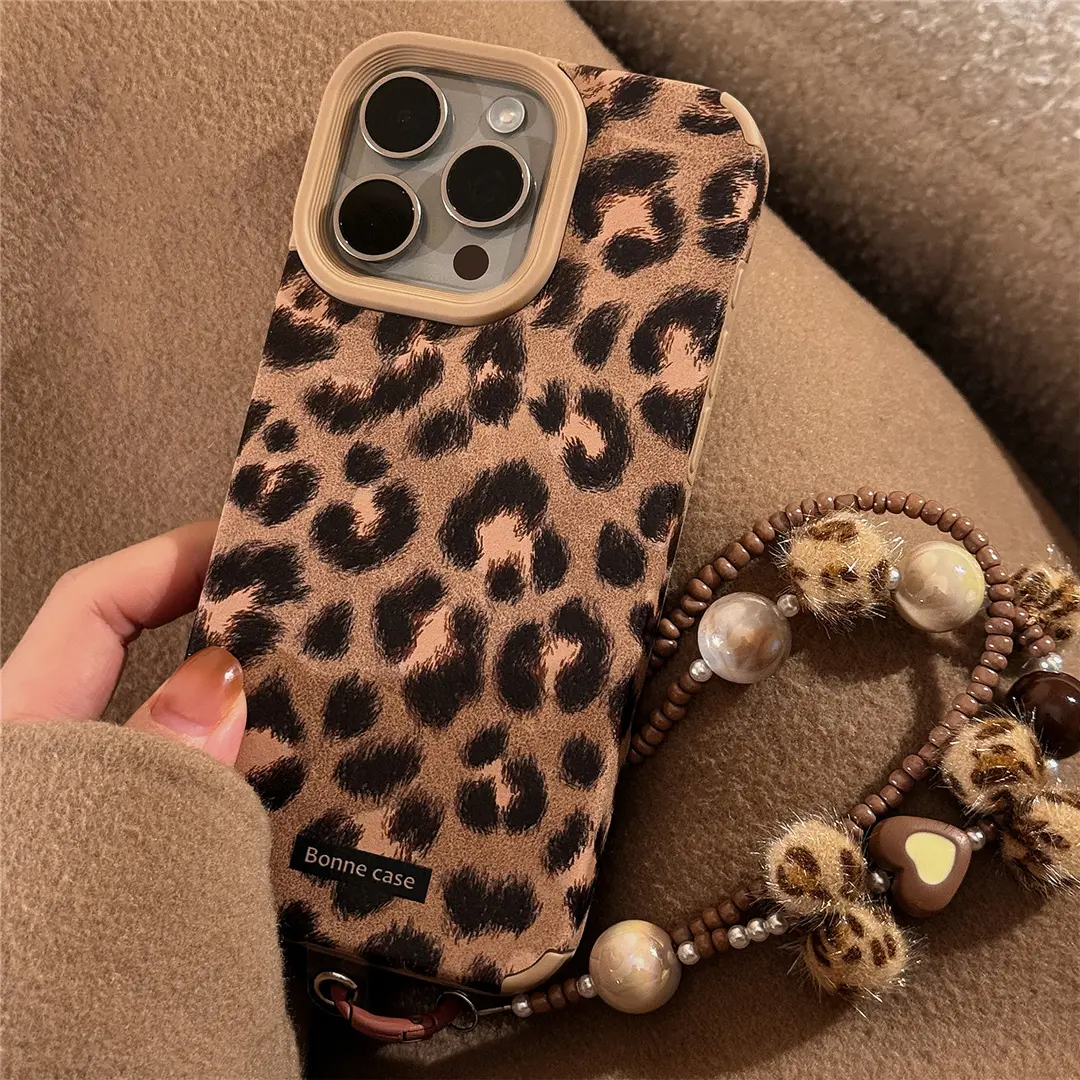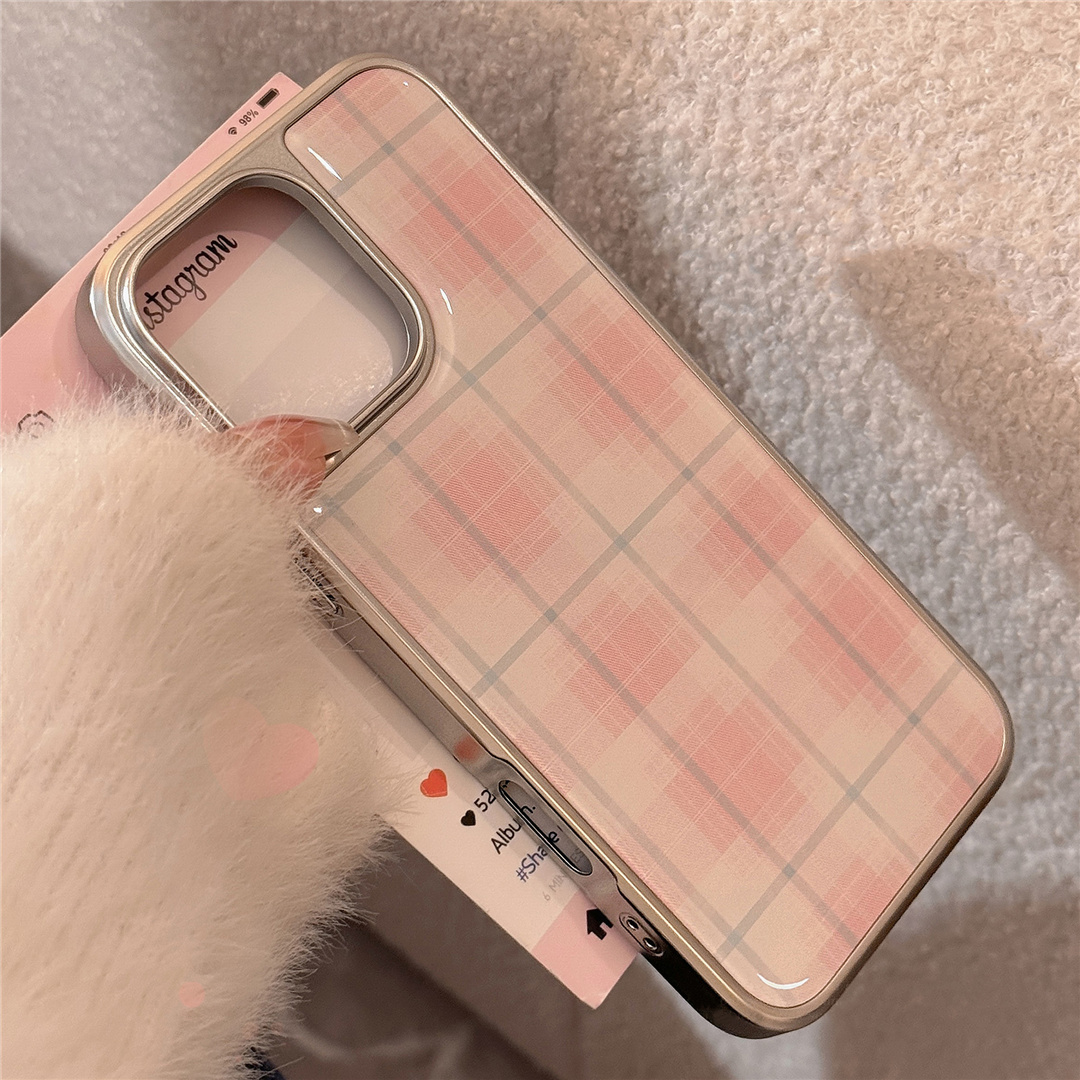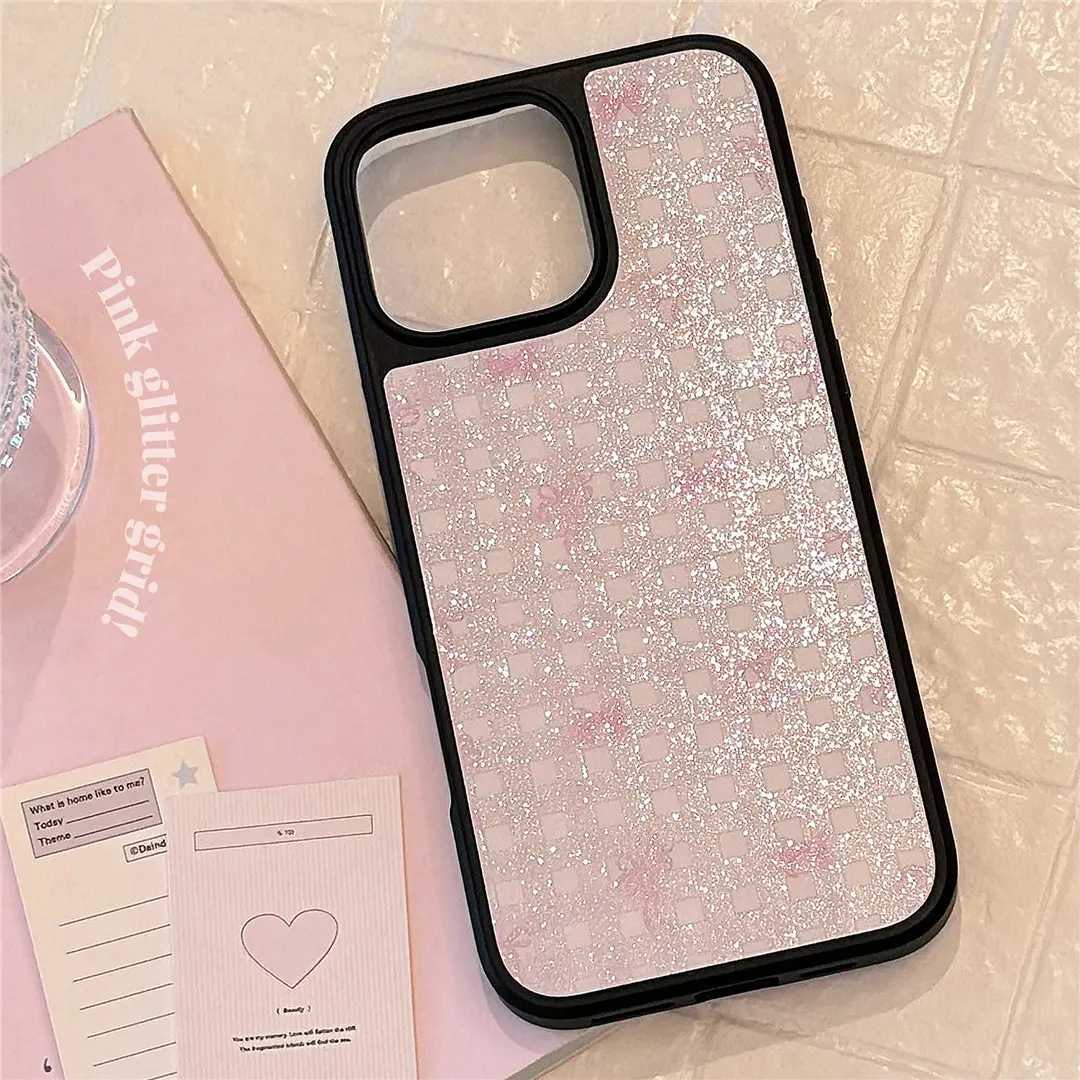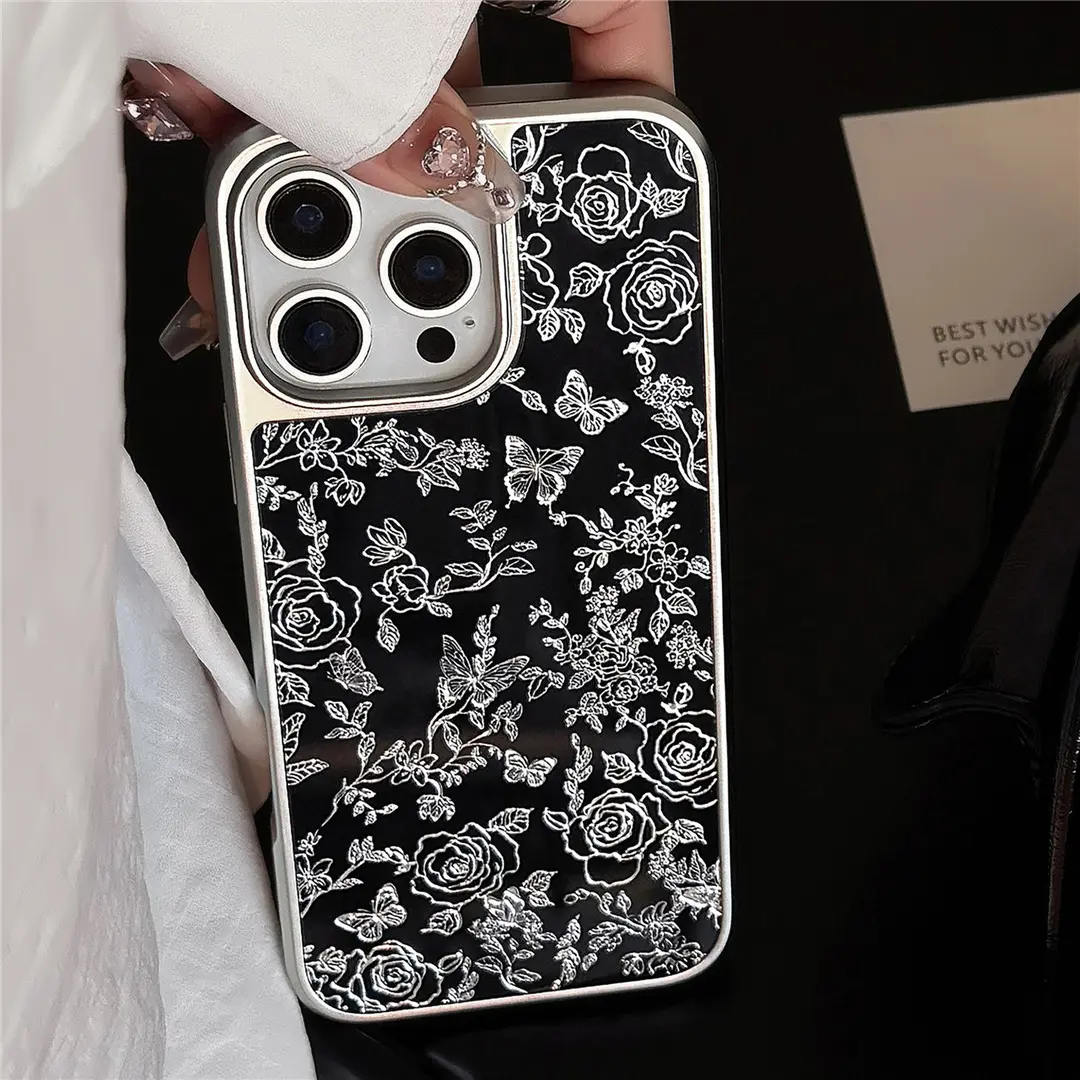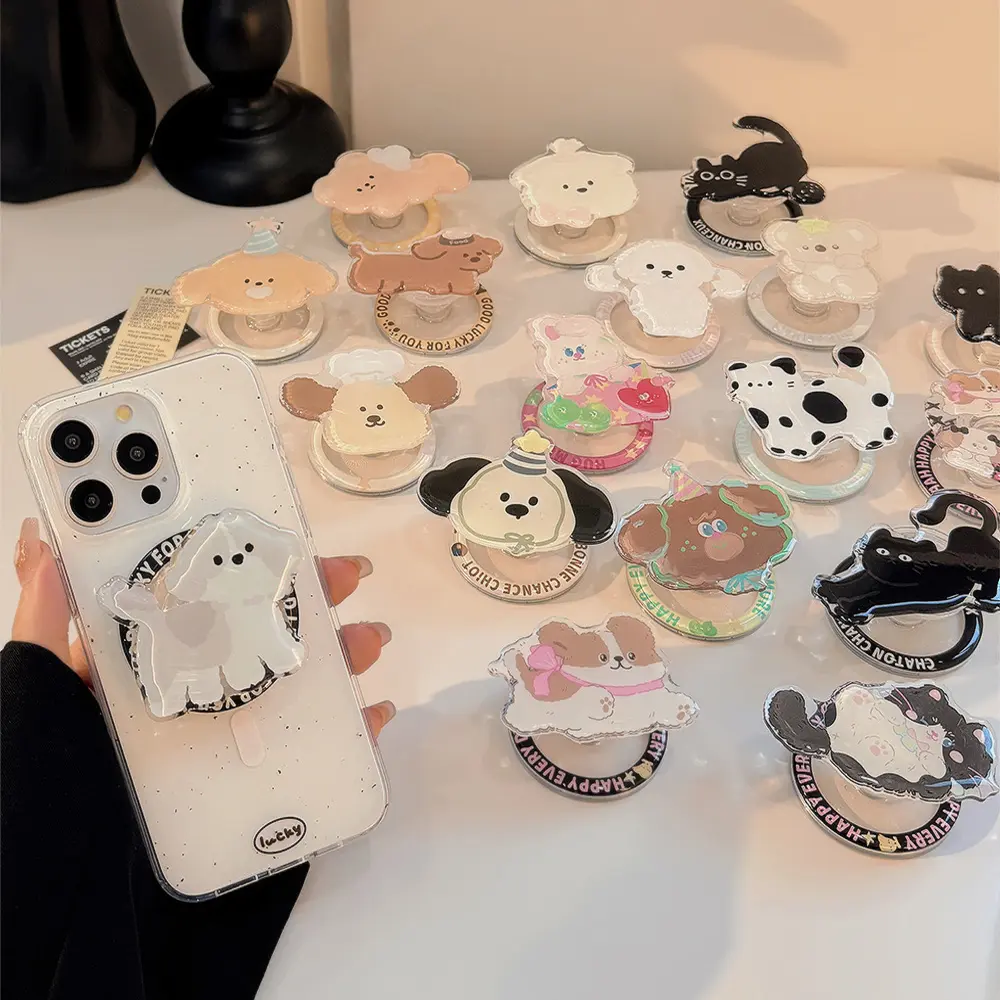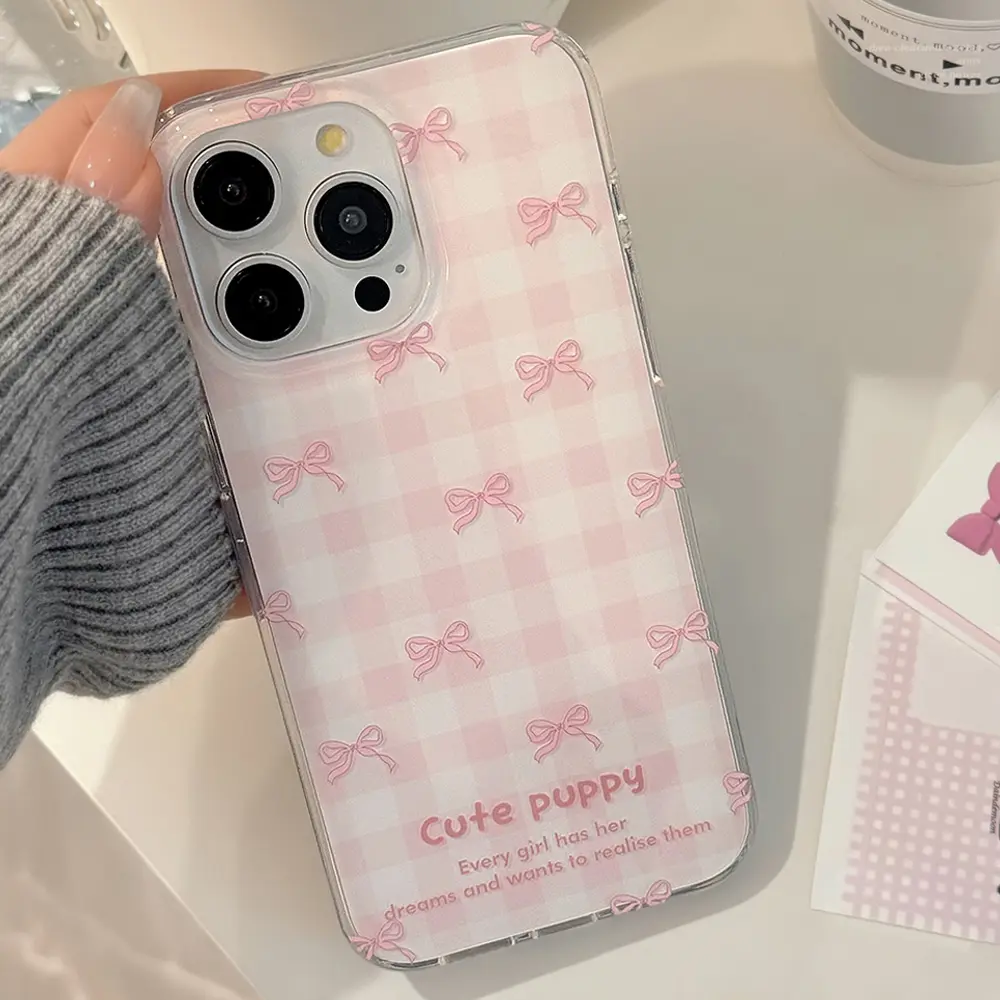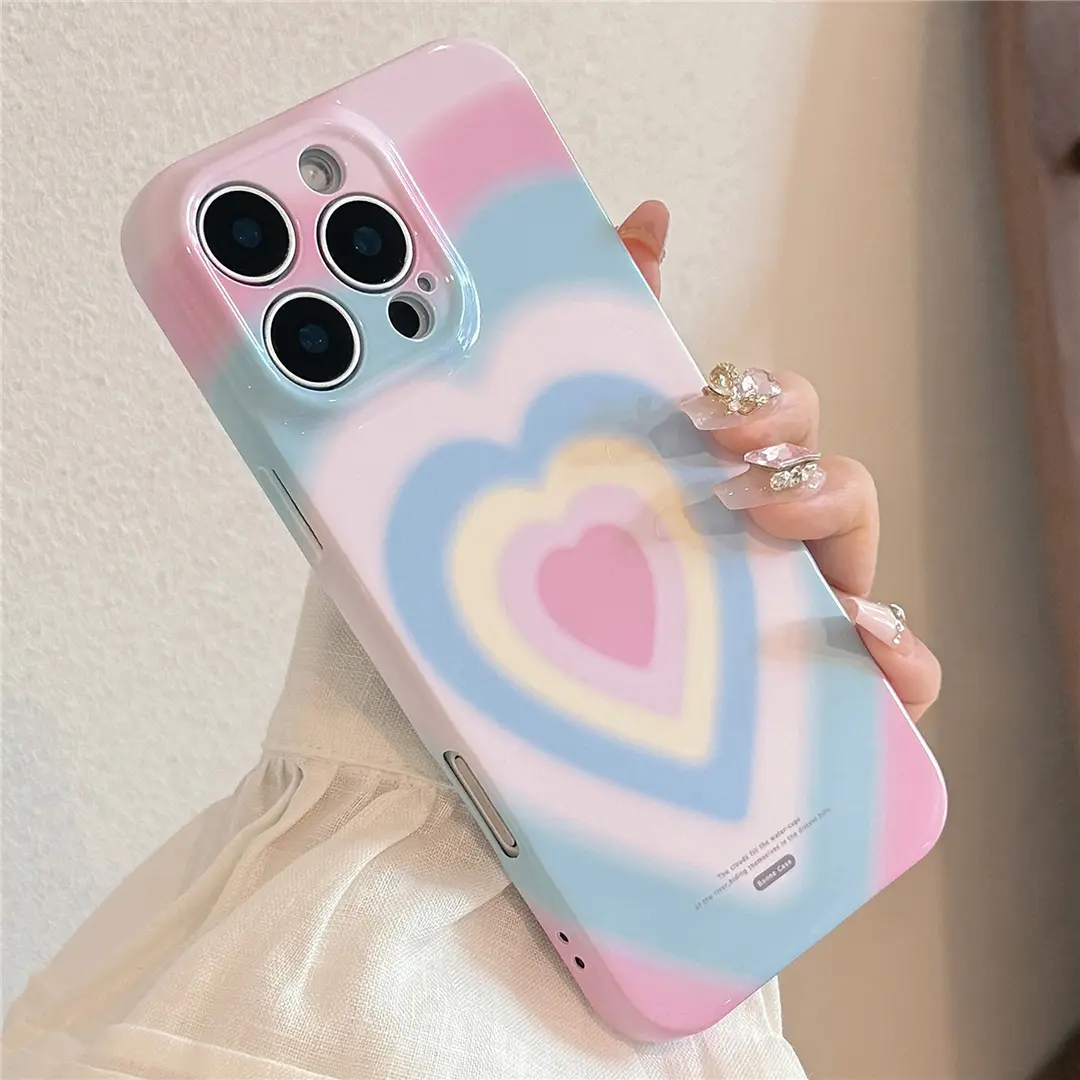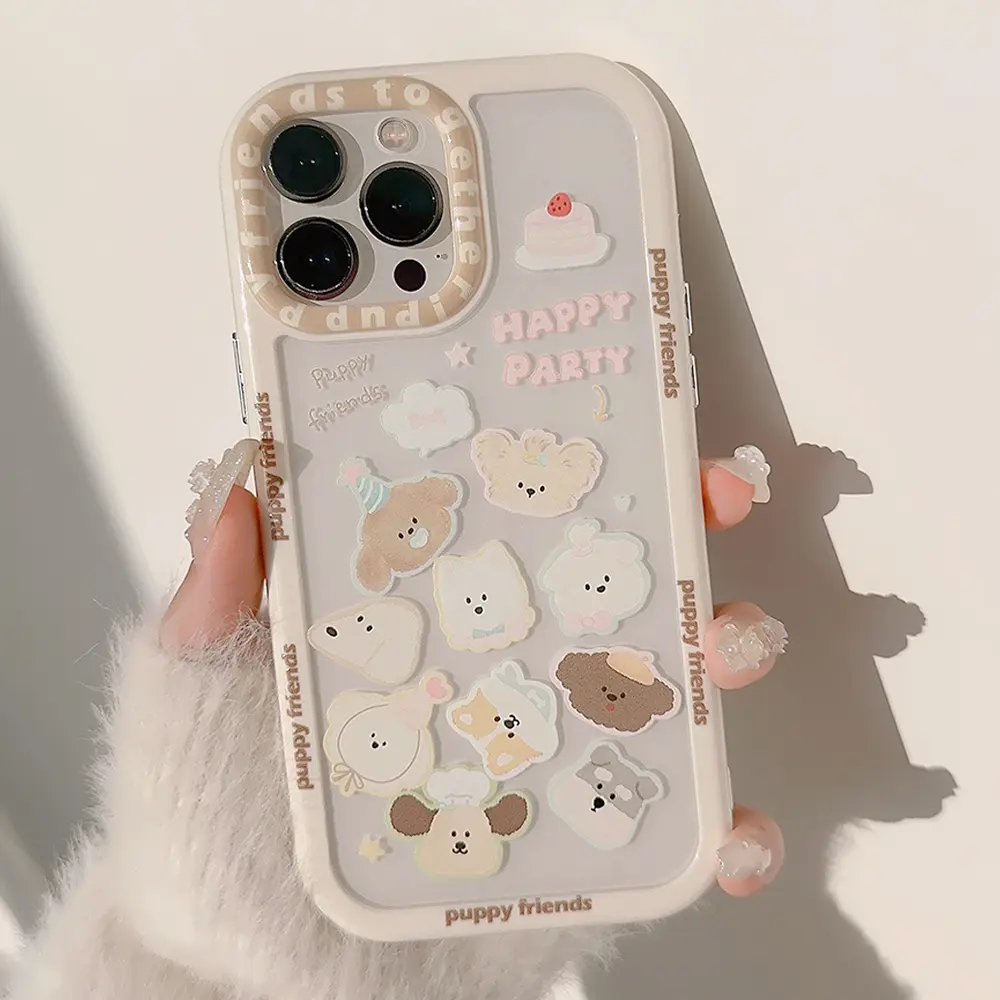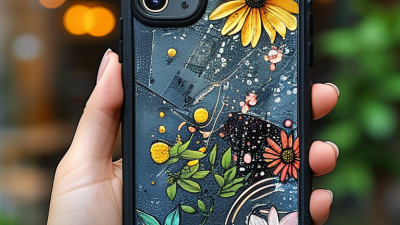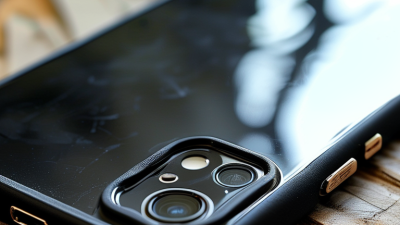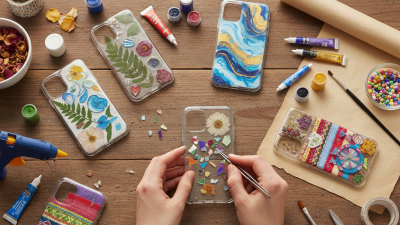
Finding China’s top Creative Phone Cases requires more than browsing colorful product pages. Buyers must compare design quality, material safety, supplier reliability, and customization options. A glossy listing can hide weak printing or brittle edges. The real test begins with a sample.
China offers several practical sourcing channels. Established B2B marketplaces provide broad catalogs and supplier histories. Trade fairs can reveal new textures, finishes, and packaging ideas. Direct factory communication may bring better pricing, but it also demands clearer specifications. Ask about TPU, silicone, polycarbonate, or recycled materials. Request close-up photos, sample units, and production videos when possible.
Details matter.
A dependable supplier should explain minimum order quantities, sample fees, lead times, printing methods, and quality checks. Buyers should inspect camera protection, button response, wireless charging compatibility, and drop resistance. Packaging should arrive without crushed corners or loose inserts. These small observations often reveal larger production habits.
Experience also teaches caution. A low quote is not always a bargain. I have seen attractive samples differ from later bulk orders, especially when color matching was poorly documented. Written approvals can reduce that risk, although they cannot replace inspection. For larger purchases, independent quality checks may be worthwhile. Marketplaces, factory websites, and verified trade references can support research, but none should be trusted blindly.
This guide explores where to buy China Creative Phone Cases with a balanced, practical approach. It considers design originality, supplier evidence, customization capability, and after-sales communication. Some recommendations may change as platforms and trends evolve. That uncertainty deserves attention, not denial.
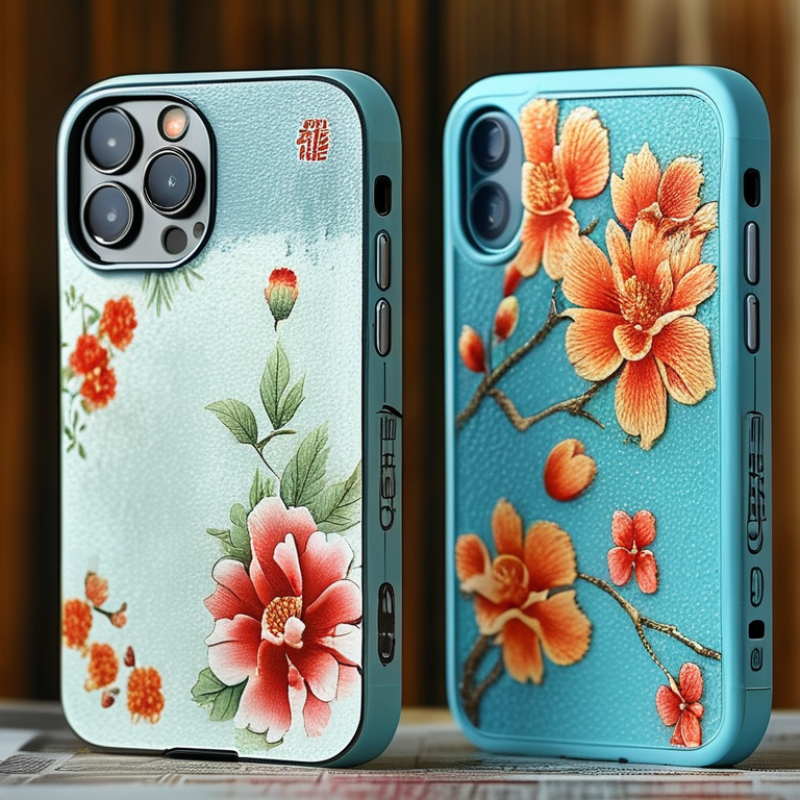
China’s creative phone case market stands out through speed, variety, and flexible production. Grand View Research estimates the global mobile phone accessories market reached about USD 278 billion in 2023. China supplies a major share of this ecosystem. Local workshops can turn a sketch into a small trial batch within days. Buyers may find translucent cases with floating glitter, textured plant patterns, or raised cartoon-like shapes. Some designs feel surprisingly refined. Others look better in photographs than in hand.
The market also benefits from dense manufacturing clusters and rapid online testing. Sellers can compare colors, materials, and package sizes before placing larger orders. According to Statista’s mobile commerce data, China remains one of the world’s largest online retail markets. That environment encourages frequent design updates. It also creates quality differences. A soft case may yellow quickly, while a rigid case may protect well but crack near the camera opening. These details matter when choosing where to buy China top creative phone cases.
Tips: Request material samples, drop-test videos, and clear measurements before ordering. Check camera clearance, button response, wireless charging, and print durability. Ask for laboratory or factory inspection records when available. Do not trust attractive photos alone. I have seen excellent patterns fail because the edges felt sharp. That small weakness can damage customer confidence. A reliable supplier should explain material grades, production tolerance, and defect handling without vague promises.
Finding reliable Chinese phone case suppliers requires more than searching for creative designs. Grand View Research estimates that the global mobile phone accessories market reached about USD 90 billion in 2023. This scale attracts capable manufacturers and inconsistent traders. A dependable supplier should provide a verifiable business license, factory address, production photos, and recent quality records. Ask for a physical sample before discussing large orders. Screen printing may look sharp online, yet edges can feel rough in hand.
Check the material carefully. Suppliers should identify silicone, TPU, polycarbonate, leather, or recycled content accurately. Request test documents for restricted substances, especially when selling in markets guided by RoHS, REACH, or similar rules. Intertek’s consumer product testing guidance stresses traceability, material verification, and batch-level quality control. These details matter for transparent sourcing. They also reduce avoidable disputes.
Compare at least three factories using the same brief. Record sample cost, minimum order quantity, mold fees, production time, packaging, and defect tolerance. A supplier offering the lowest quote may reduce inspection steps. That risk is easy to miss. The International Trade Centre highlights supplier verification and contract clarity as important trade practices for small businesses. Require pre-shipment photos, an agreed inspection standard, and written replacement terms. I have found that creative customization often changes delivery time, especially with raised textures or multi-layer printing. My own judgment can be too optimistic. A small trial order is wiser than trusting polished catalog images.
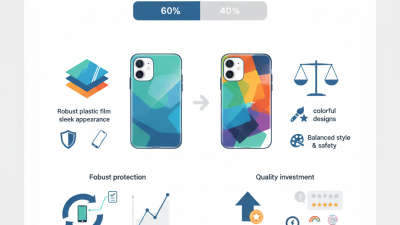
The chart shows typical working-day ranges for sourcing creative phone cases from Chinese suppliers, including supplier selection, sampling, product revisions, manufacturing, and pre-shipment inspection.
These planning ranges reflect common OEM and custom-production workflows. Actual timing may vary according to product complexity, order quantity, customization requirements, and shipping arrangements.
Where to Buy China Top Creative Phone Cases?
Comparing creative phone cases in China requires more than judging colorful artwork. Start with design control: check camera clearance, button feedback, grip texture, and wireless-charging performance. A case may look clever yet feel slippery after one week. I learned this the hard way. Ask suppliers for drop-test records, material specifications, and clear product photographs from several angles.
Material changes both protection and environmental impact. Thermoplastic polyurethane offers flexibility, while polycarbonate usually provides a firmer back. Recycled content sounds attractive, but request the percentage and supporting documentation. The Ellen MacArthur Foundation reports that only 9% of plastic is recycled globally, so vague “eco” claims deserve careful questioning. Compare thickness, yellowing resistance, odor, and surface wear through samples. Small details matter.
Customization also needs measurable limits. Confirm minimum order quantities, mold fees, color tolerances, print resolution, and delivery samples. UV printing can show sharp graphics, while raised finishes create a stronger tactile effect but may wear faster. According to Grand View Research, personalization remains a key driver in the smartphone accessories market. Statista’s Digital Market Insights also reports that mobile devices generate over half of global web traffic, supporting steady demand for phone accessories. These figures do not guarantee sales. Consumer taste changes quickly. A design that seems original today may feel ordinary next season.
| Case Type | Typical Material | Protection Level | Creative Design Potential | Customization Options | Typical MOQ | Typical Production Lead Time | Best Fit | Main Trade-Off |
|---|---|---|---|---|---|---|---|---|
| Clear TPU Case | Thermoplastic polyurethane (TPU), a flexible and abrasion-resistant polymer | ★★★★☆ Good impact absorption for everyday use |
Transparent graphics, floating inserts, edge colors, glitter, and liquid effects | UV printing Digital printing Logo placement Packaging | Commonly 50–500 pieces, depending on the supplier and model | Approximately 7–20 working days after artwork approval | Low-cost launches, promotional products, and designs that preserve the phone’s original appearance | May yellow over time when exposed to ultraviolet light, heat, and oxidation |
| Hard PC Case | Polycarbonate (PC), a rigid thermoplastic with high dimensional stability | ★★★☆☆ Good scratch resistance but less shock absorption than flexible designs |
Sharp full-color artwork, matte finishes, geometric patterns, and thin profiles | UV printing Offset printing Matte or gloss finish Embossing | Commonly 100–1,000 pieces for customized production | Approximately 10–25 working days | Detailed artwork, fashion collections, and lightweight retail cases | Rigid shells can crack under strong impact if they lack a flexible bumper |
| Hybrid Shockproof Case | PC back panel combined with a TPU or silicone edge bumper | ★★★★★ Strong all-around protection when the corners and screen edges are reinforced |
Layered graphics, two-tone colors, transparent backs, and textured frames | Two-material color matching Printing Raised details Mold changes | Commonly 300–2,000 pieces; new tooling may require more | Approximately 20–40 working days, including tooling when required | Higher-protection product lines and everyday outdoor use | Thicker, heavier, and usually more expensive than a single-layer case |
| Liquid Silicone Case | Soft silicone or liquid silicone with a microfiber inner lining | ★★★★☆ Good grip and cushioning for daily drops |
Solid colors, soft-touch surfaces, tonal branding, and minimalist designs | Color matching Screen printing Debossing Metal details | Commonly 100–1,000 pieces | Approximately 15–30 working days | Premium-feel collections and simple, tactile designs | Can attract lint and may show wear or surface marks with frequent use |
| Recycled or Bio-Based Case | Recycled PC, recycled TPU, wheat-straw composite, or other bio-based blends | ★★★☆☆ Varies significantly with material formulation and structure |
Natural textures, speckled finishes, minimalist artwork, and sustainability-focused graphics | Material color Water-based ink Laser marking Recycled packaging | Commonly 300–2,000 pieces | Approximately 20–45 working days | Eco-conscious collections and sustainability campaigns | Color consistency and surface finish can vary between production batches |
| Wood or Bamboo-Back Case | Thin wood or bamboo veneer attached to a PC, TPU, or fiber-based frame | ★★★☆☆ Moderate protection; frame construction is important |
Natural grain, laser engraving, illustrated artwork, and handcrafted appearance | Laser engraving Color printing Inlay patterns Custom veneer | Commonly 100–1,000 pieces | Approximately 15–35 working days | Gift sets, artisan-style products, and nature-themed designs | Natural grain differences are unavoidable, and moisture resistance depends on the coating |
| Wallet or Folio Case | PU leather, genuine leather, fabric, TPU, and an internal phone shell | ★★★★☆ Protects the front and back when closed |
Debossed patterns, stitching colors, magnetic closures, card slots, and fold-out stands | Debossing Foil stamping Stitch color Card layout | Commonly 100–1,000 pieces | Approximately 20–40 working days | Professional gifts, travel users, and multifunctional products | Bulkier than a slim shell and may interfere with some wireless charging setups |
| Magnetic-Compatible Case | TPU, PC, silicone, or hybrid construction with an integrated magnetic ring | ★★★★☆ Protection depends on the outer case structure and ring installation |
Clean layouts, visible or hidden ring designs, metallic accents, and functional graphics | Ring position Magnet strength specification Printing Color matching | Commonly 300–2,000 pieces | Approximately 20–45 working days | Users who rely on magnetic charging accessories, stands, or mounts | Magnet alignment, charging performance, and compatibility should be tested with the target phone models |
Comparison note: MOQ and lead-time figures are typical industry ranges for customized production and can change according to phone model coverage, artwork complexity, tooling, packaging, testing, and order quantity. Before purchasing, request a physical sample, confirm exact device dimensions, and test print durability, button fit, camera clearance, wireless charging, and drop performance.
For buyers seeking China’s creative phone cases, channel choice should match order size, design control, and risk tolerance. Wholesale marketplaces suit small retailers, online sellers, and buyers testing new designs. They provide broad price comparisons and low trial quantities. Compare at least three suppliers before choosing. Request a physical sample, material details, production time, and clear photos. A glossy image can hide uneven edges.
Direct manufacturer purchasing works better for established businesses with repeat orders. Factories may support custom molding, printing, packaging, and larger production runs. However, minimum order quantities can be demanding. Ask about material composition, drop-test records, color control, and inspection procedures. Some suppliers reply quickly but explain technical details poorly. That deserves caution. A written specification reduces misunderstandings.
Local importers and regional distributors suit customers who need shorter delivery and simpler communication. Prices may be higher, but stocked products can reduce waiting time. They may also assist with customs documents and replacement orders. Trade fairs offer useful hands-on checks. Flex the case, inspect camera protection, and test button response. Small custom studios may fit personalized, low-volume orders better than large factories.
Their color matching can still vary between batches. I once trusted a digital sample too quickly; the printed texture felt rough in hand. That mistake made real-sample testing essential. Confirm labeling rules, payment protection, and after-sales terms before ordering. Cheap quotes are not always efficient.
Before ordering from a China-based supplier, inspect quality through evidence, not colorful product photos. Request close images of the camera cutout, button covers, seams, and inner lining. Ask for material details, drop-test results, coating durability, and sample approval. A case that feels rigid may still crack near the charging port. I have found that small flaws often appear after repeated bending. That part is easy to miss.
Compare prices by separating product cost, customization, packaging, payment fees, and freight. A low quotation can hide expensive shipping or weak packaging. The Baymard Institute reports an average online cart-abandonment rate of about 70.19%, with extra costs remaining a major reason. DHL’s 2024 E-Commerce Trends Report states that 81% of shoppers may leave when their preferred delivery option is unavailable. Ask for several shipping methods, tracking coverage, estimated customs handling, and a clear replacement policy. Delivery promises are not always precise.
Tips: Order a sample first. Weigh the packed parcel. Confirm the phone model and print colors in writing. Compare landed cost, not unit price. Check recent factory photos, but remember they can be outdated. A written inspection checklist helps, although it cannot replace physical testing.