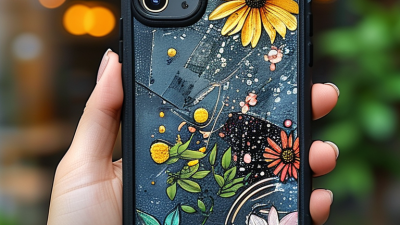
10 Best Phone Case Suppliers for Global Buyers?
Choosing reliable suppliers can shape a buyer’s margins, product quality, and customer trust. This guide explores 10 Best Phone Case Suppliers for Global Buyers through practical sourcing criteria. It considers material quality, production capacity, minimum order quantities, customization, pricing transparency, and delivery performance.
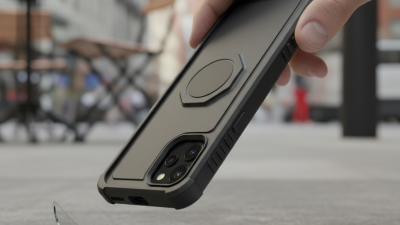
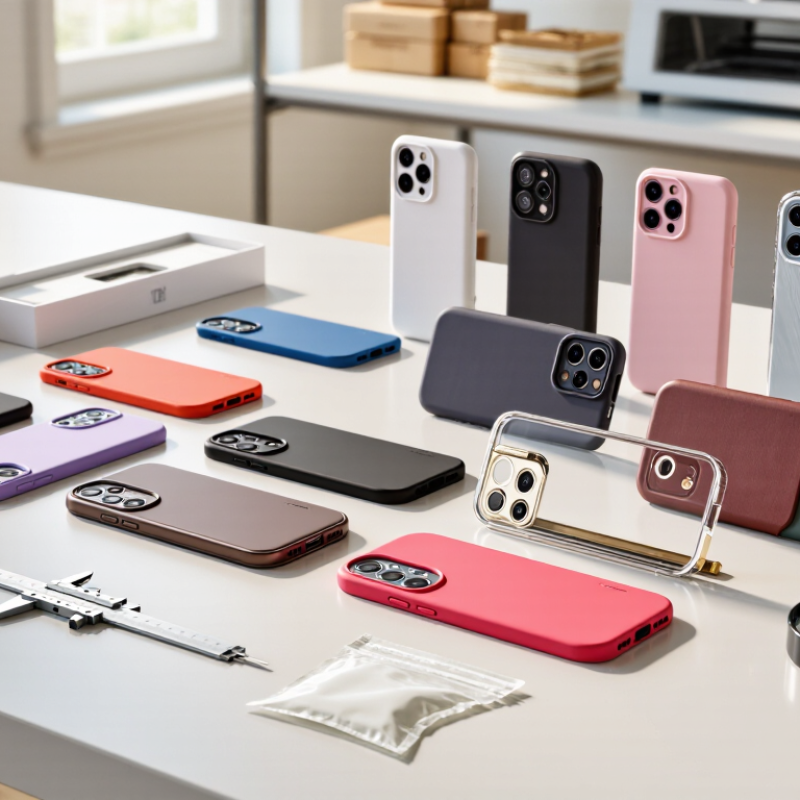
A dependable Phone Case supplier should provide clear samples before large orders. Buyers should inspect button alignment, camera protection, edge flexibility, printing quality, and packaging strength. A sample dropped on a tiled floor can reveal weaknesses that product photos hide. Factory communication also matters, especially when specifications change across languages and time zones. Responsible suppliers should explain material options, testing procedures, production timelines, and applicable market requirements without making unsupported claims.
No ranking is permanent.
Supplier performance may change with seasons, raw material costs, staffing, or shipping conditions. Therefore, this overview should support careful verification rather than replace it. Buyers are encouraged to request recent samples, confirm business credentials, review independent feedback, and negotiate written quality standards. Environmental claims also deserve attention; terms such as “eco-friendly” can mean different things without evidence. A stronger sourcing decision balances price with durability, after-sales support, ethical business practices, and reliable documentation. Some suppliers may excel at small custom orders, while others suit high-volume retail programs. That difference is easy to miss. The following overview offers a practical starting point for global buyers seeking dependable Phone Case partnerships.
Global Phone Case Demand: 1.24 Billion Smartphones Shipped in 2024 (IDC)
The global phone case market has a strong demand base. IDC reported 1.24 billion smartphones shipped worldwide in 2024. Each device creates opportunities for protective accessories, replacements, and seasonal designs. For global buyers, the ten best phone case suppliers are not always the cheapest factories.
A reliable supplier should provide accurate device molds, material specifications, and consistent quality records. Buyers should request samples before placing bulk orders. Check edge protection, button response, camera clearance, and wireless charging performance. A case may look attractive but fail after one awkward drop. Ask for production lead times, minimum order quantities, packaging details, and factory inspection evidence. Clear documentation matters across international shipments.
Material selection also affects customer trust. TPU cases need flexible edges, while hard shells require careful testing against cracks. Recycled materials may support sustainability goals, but suppliers should provide verifiable composition details. One practical lesson is simple: glossy product photos prove very little. The ranking can change by market, order size, and target device. A supplier with excellent pricing may deliver uneven color batches. Another may communicate well but miss urgent deadlines. Buyers should compare samples, test reports, and response times before committing. Small checks prevent expensive surprises.
Global Smartphone Shipments, 2019–2024
Worldwide smartphone shipments reached approximately 1.24 billion units in 2024, indicating a recovery from the market slowdown in 2022 and 2023.
Unit: billion smartphones shipped. Source: IDC Worldwide Quarterly Mobile Phone Tracker historical market data.
Supplier Evaluation Criteria: MOQ, Lead Time, Defect Rates, and OEM Capacity
When comparing the 10 best phone case suppliers for global buyers, MOQ is a practical starting point.
A low MOQ reduces inventory risk, but it may indicate limited production efficiency. Ask whether the MOQ applies per design, color, material, or total order. Request sample invoices and production records. Numbers reveal habits.
Lead time should cover sampling, artwork approval, manufacturing, inspection, and shipping preparation.
A supplier promising seven days may exclude testing or packaging. I once accepted a short estimate and overlooked approval delays. That mistake disrupted a seasonal launch. A written timeline with milestone dates is safer. Ask how suppliers handle material shortages and urgent revisions.
Defect rates require clear definitions.
Request recent inspection reports showing scratches, weak edges, poor printing, and incorrect dimensions. A claimed rate below one percent means little without the sampling method. Use independent pre-shipment checks when order value justifies the cost. Ask for replacement rules and evidence of corrective action. Honest suppliers can explain recurring failures without hiding them.
OEM capacity deserves equal attention.
Review mold development, color matching, camera protection, packaging customization, and artwork control. Confirm which processes are handled internally and which are outsourced. Visit a facility when practical, or arrange a live video audit. Production photos are useful, but they are not proof. Capacity claims need evidence. A supplier may accept a complex design yet lack stable quality control at scale. Flexible communication matters too, especially when technical drawings change during sampling.
The 10 Best Phone Case Suppliers Compared by Price, Scale, and Reach
10 Best Phone Case Suppliers for Global Buyers?
Our ten-supplier shortlist compares price, production scale, and international reach. Supplier 1 and Supplier 2 offer the lowest factory-direct prices, usually for large orders above 5,000 units. Supplier 3 and Supplier 4 provide better small-batch flexibility, but their unit costs are higher. Supplier 5 stands out for recycled materials and documented testing. Supplier 6 focuses on premium finishes, including soft-touch coatings and reinforced corners. Supplier 7 and Supplier 8 operate larger production lines, making them suitable for seasonal campaigns. Supplier 9 has stronger export experience across several regions. Supplier 10 offers the widest customization range, although sampling takes longer.
Scale Matters
Scale matters because global demand remains substantial. IDC reported approximately 1.24 billion smartphone shipments in 2024, creating a large replacement-accessory market. Grand View Research also identifies protective cases as a growing consumer-accessories segment, supported by frequent phone upgrades and rising repair awareness. These figures support larger suppliers, but volume alone does not guarantee reliability. Ask for factory capacity, inspection records, material declarations, and recent delivery evidence.
Compare the Full Cost
Price comparisons can mislead. A case priced at $0.85 may become $1.20 after packaging, tooling, freight, and defect allowances. Reach also needs careful checking. A supplier may claim worldwide service but lack local inventory or customs experience. I would test three samples from each finalist and inspect button pressure, camera clearance, odor, and drop performance. My ranking is useful, not perfect. Buyer requirements change quickly. One overlooked detail is enough.
Material and Safety Benchmarks: REACH, RoHS, and UL 94 Compliance
Global phone case buyers should judge suppliers by documented material controls, not attractive samples alone.
A soft case may feel harmless while plasticizers, dyes, or coatings require closer review. REACH checks substances of concern and supports chemical transparency across the supply chain. RoHS focuses on restricted substances in electrical and electronic products. Its relevance can depend on case features, such as charging modules or embedded components. Ask suppliers to explain that scope in writing.
UL 94 measures how a plastic behaves when exposed to flame under defined laboratory conditions. It does not prove overall product safety or durability. For a case with a rigid frame, buyers should request the tested resin grade and thickness. A report for a different color may not represent the delivered product. This detail is often missed.
Reliable suppliers provide accredited-lab reports, declarations, batch records, and change-control procedures. Verify report numbers and laboratory identity independently when the order is significant.
During sourcing, inspect samples for odor, sharp edges, peeling coatings, and loose inserts. Keep sealed samples from each production batch for comparison. Independent testing can confirm restricted substances and flammability claims before shipment.
No process is perfect. Reports can age, and factories can change materials without clear notice. A written approval system should require notification before any resin, additive, coating, or production site changes.
Buyers gain stronger evidence when technical files match the exact model, color, and construction. This approach makes supplier comparisons more practical and less dependent on marketing language.

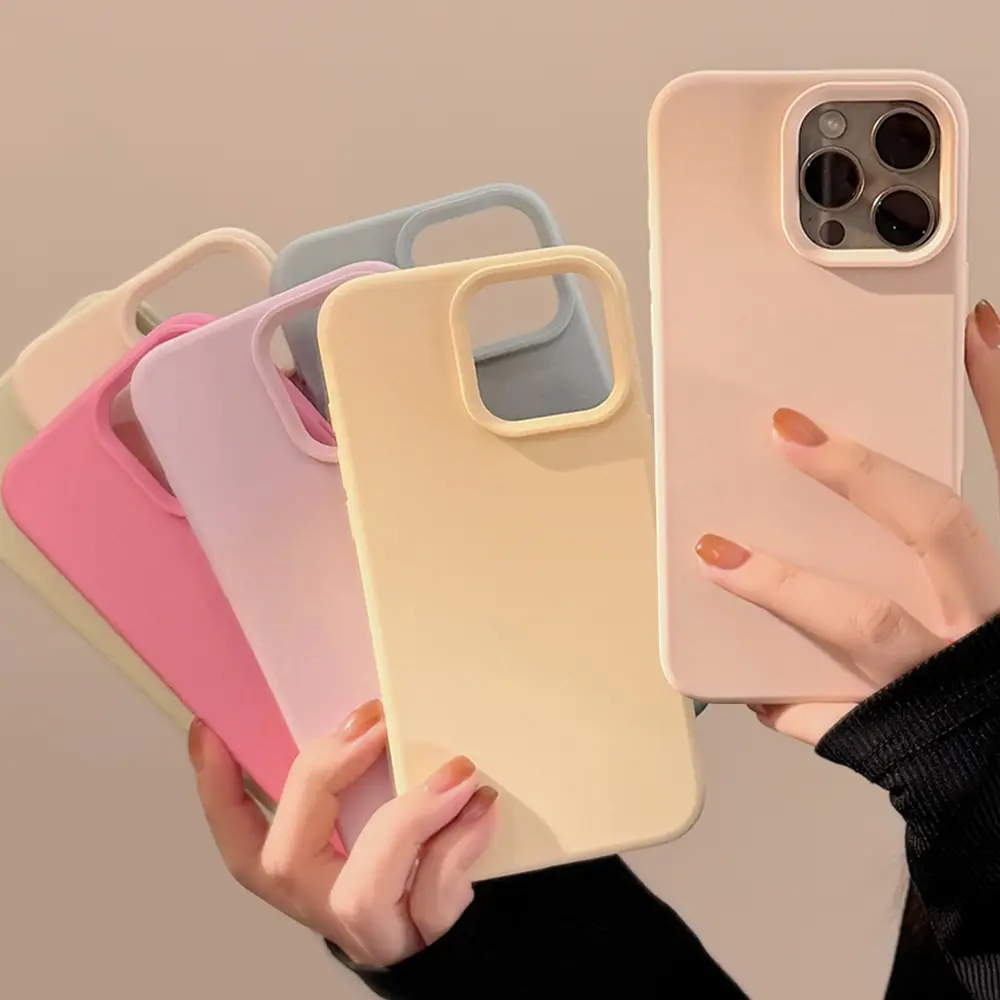 TPU Solid Color Series
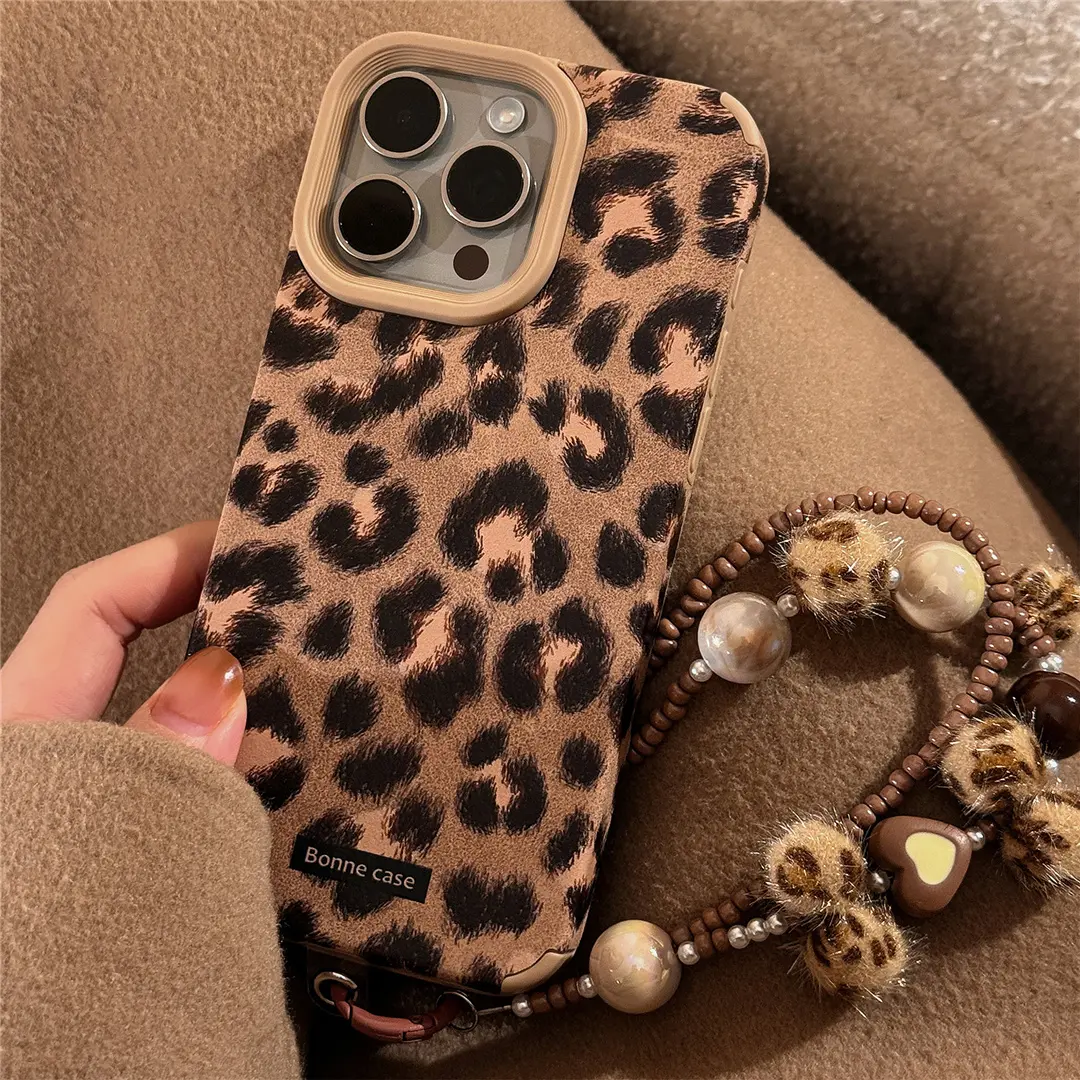 Adhesive Series
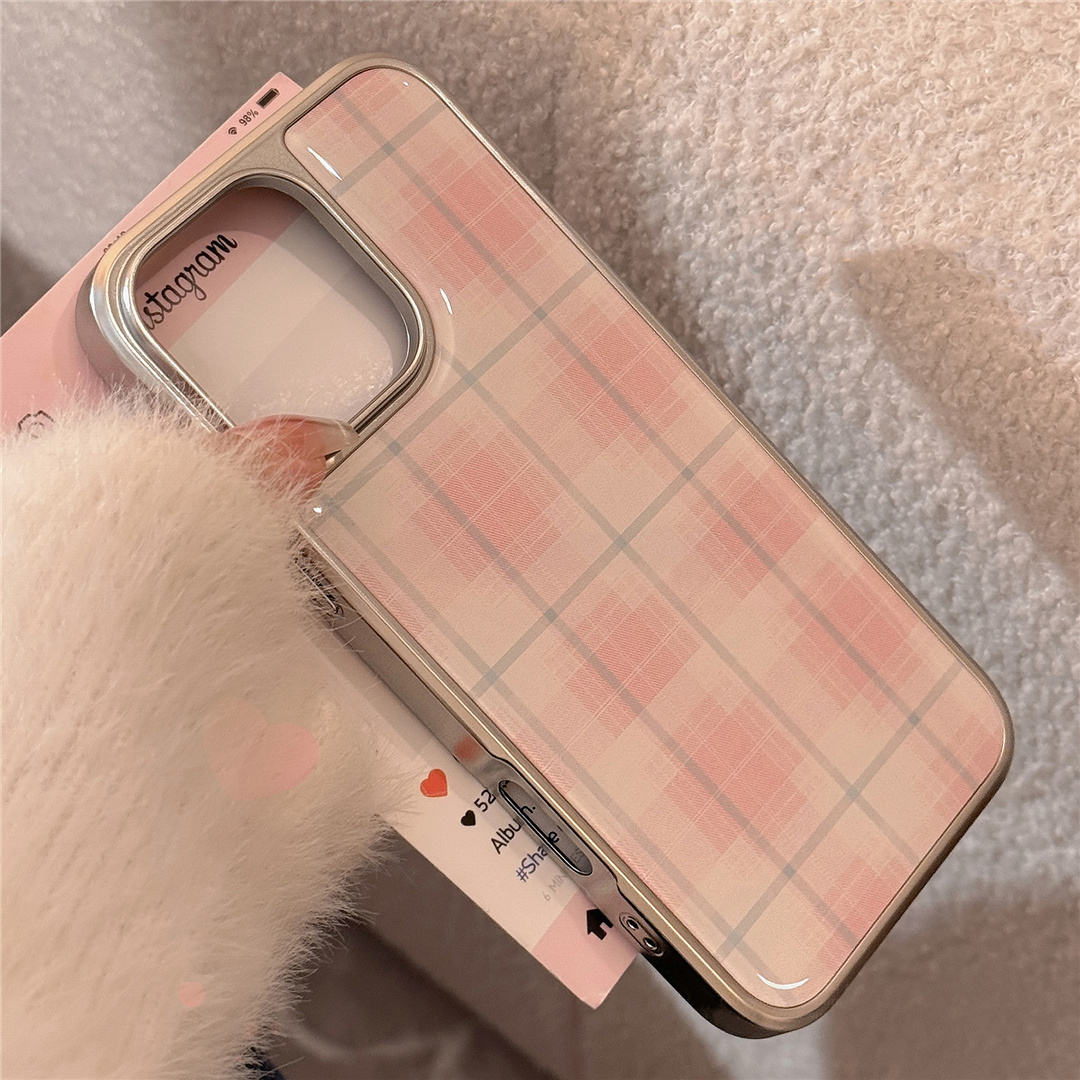 Drip Glue Series
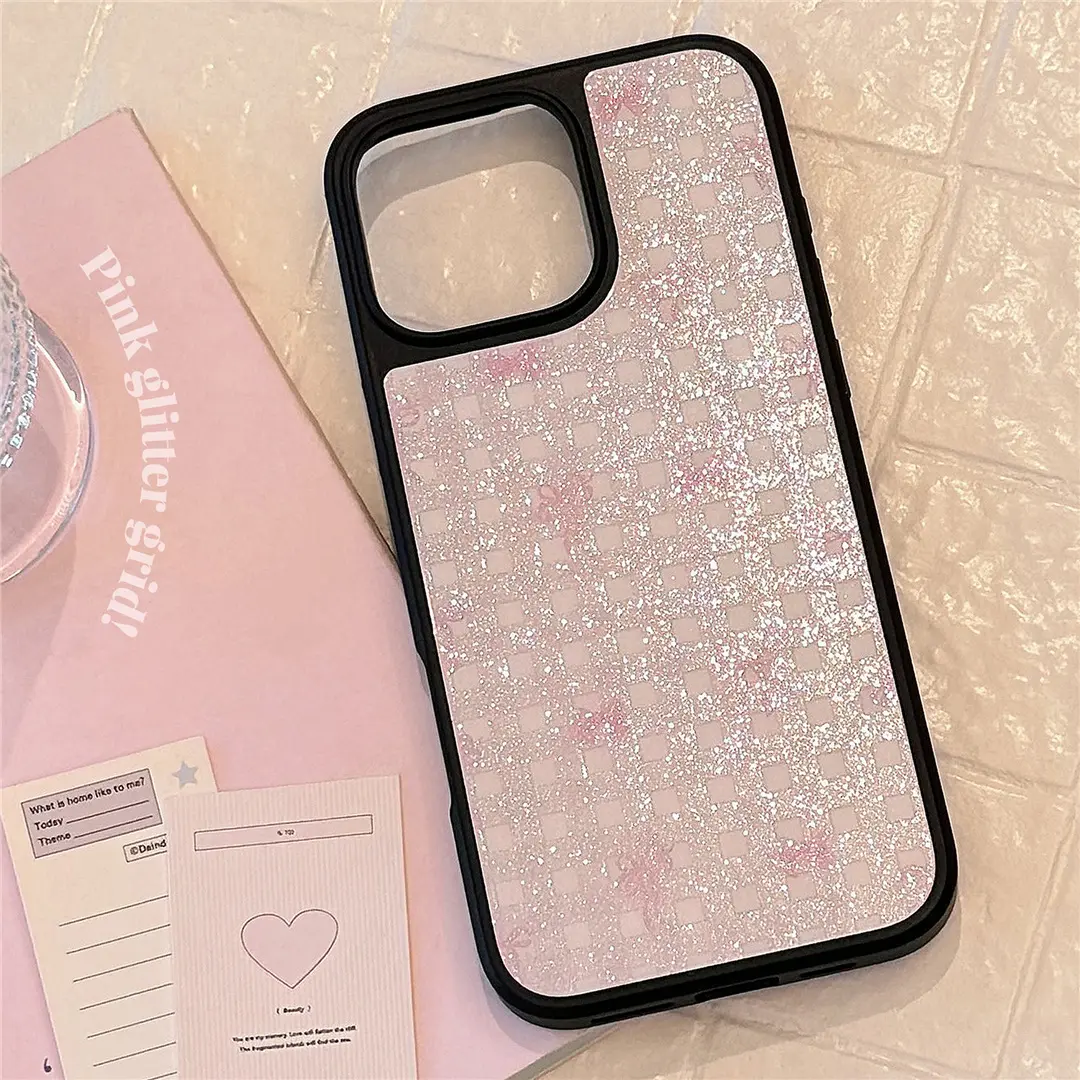 Liusha Series
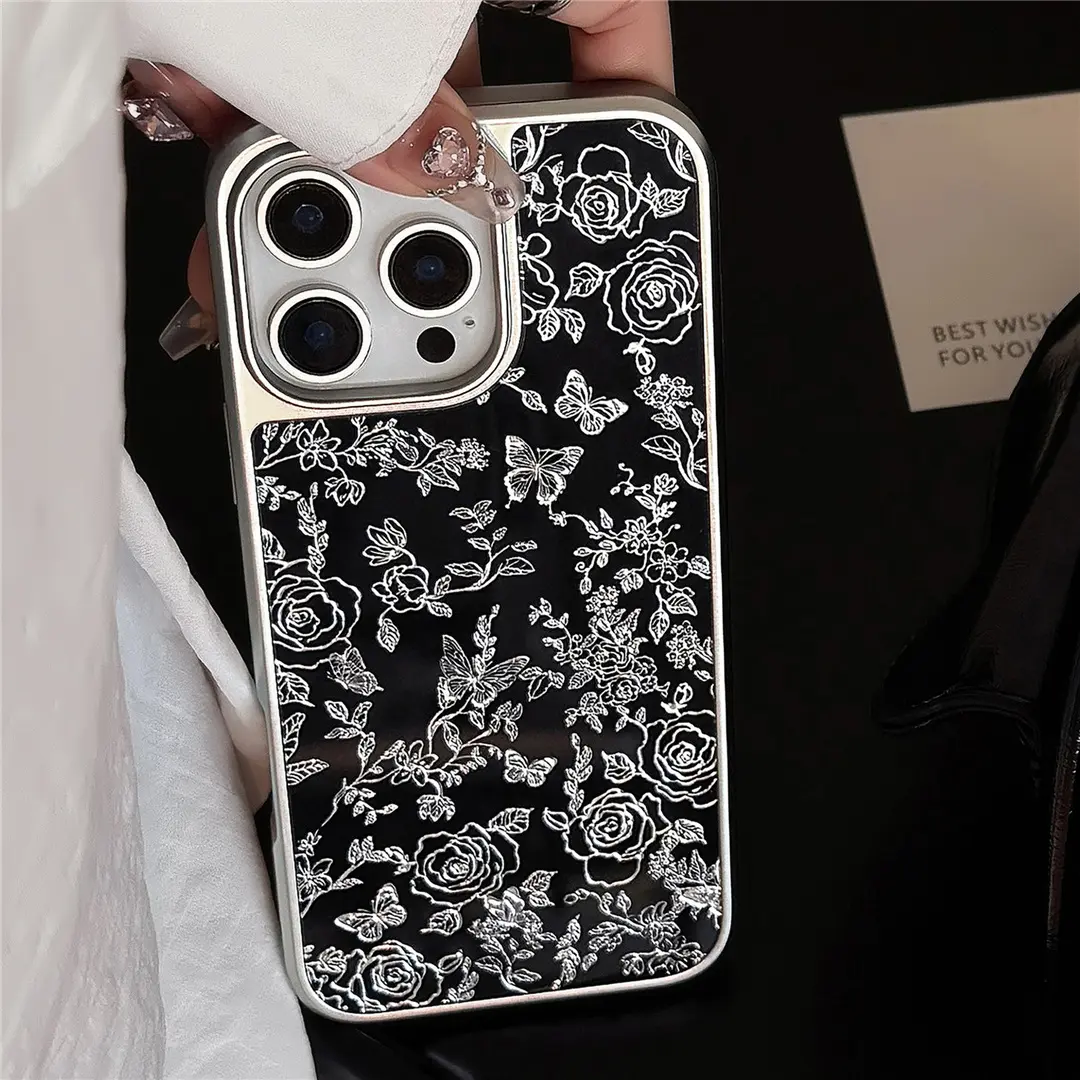 Gilded Series
 Magnetic Series
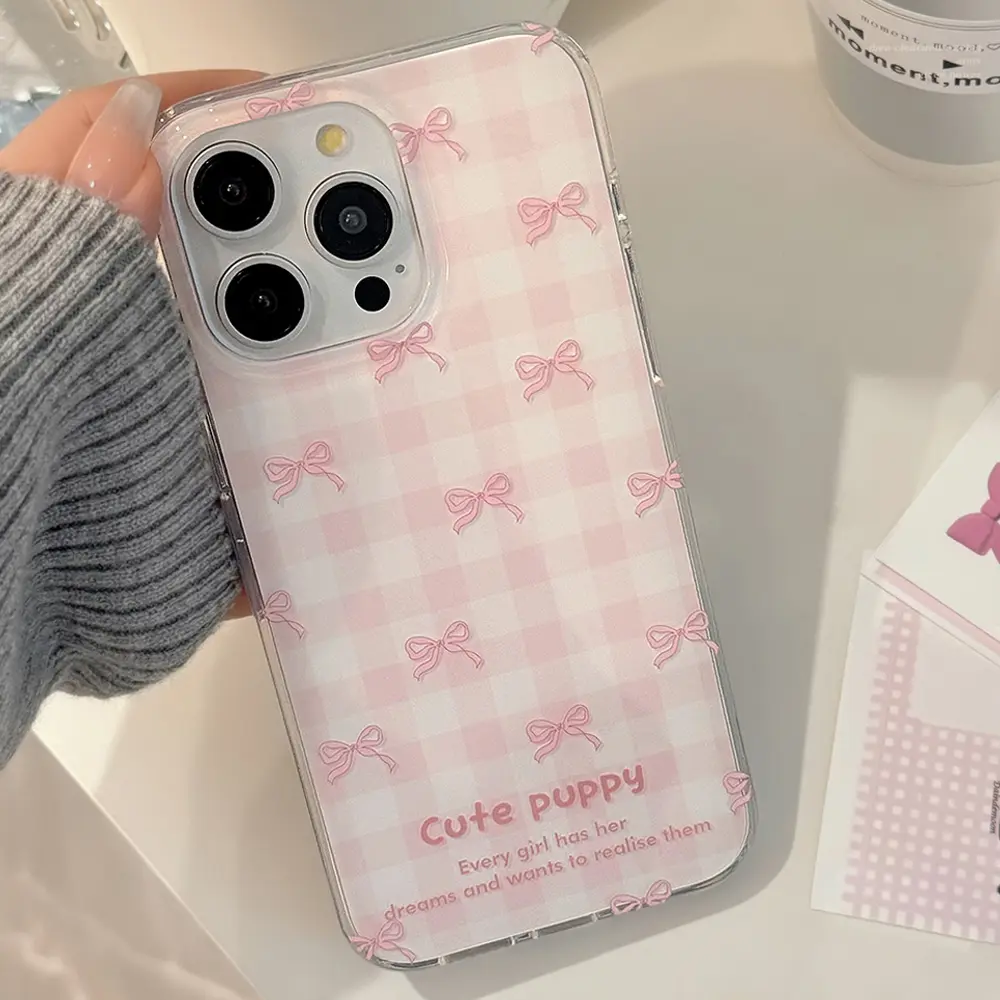 IMD Series
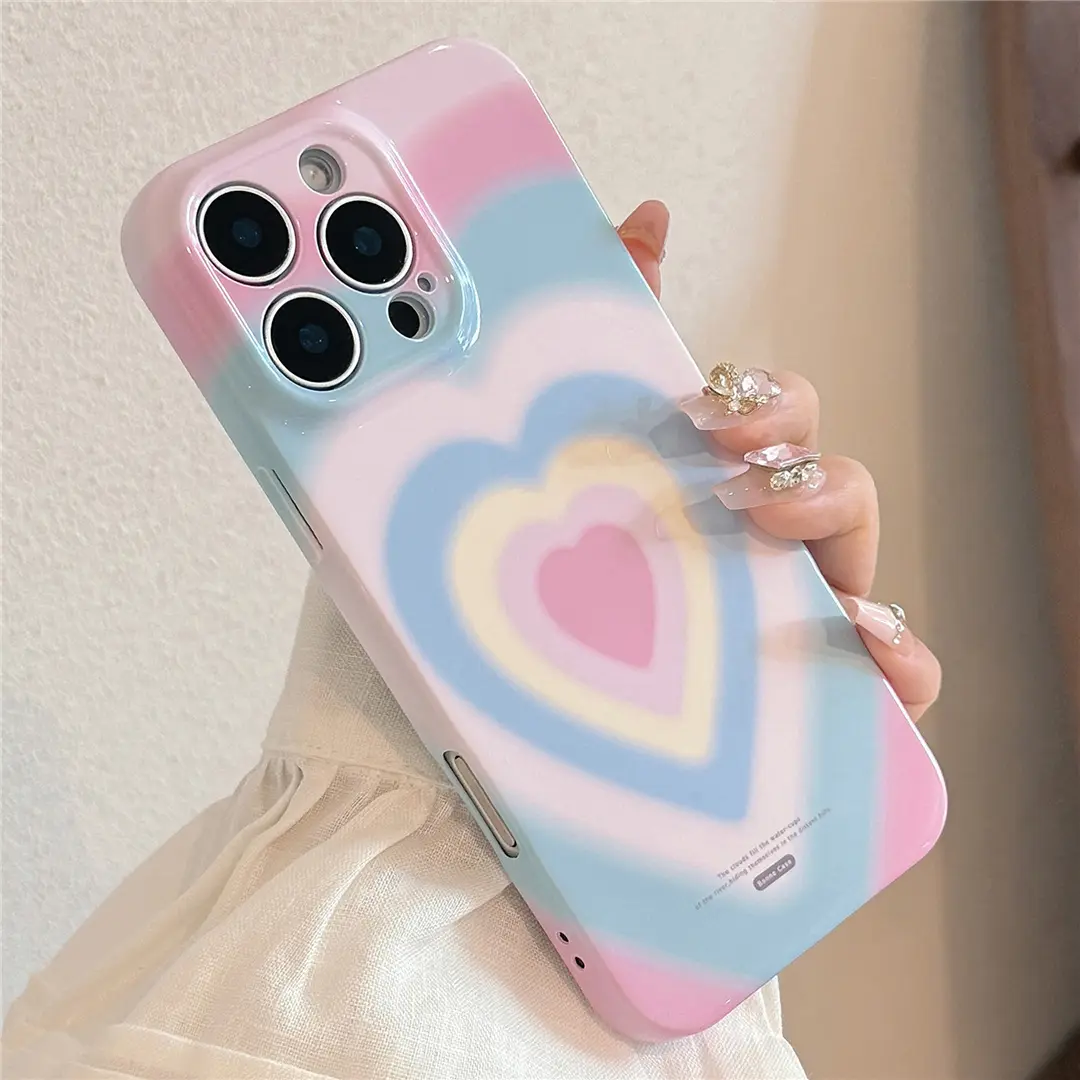 Film Series
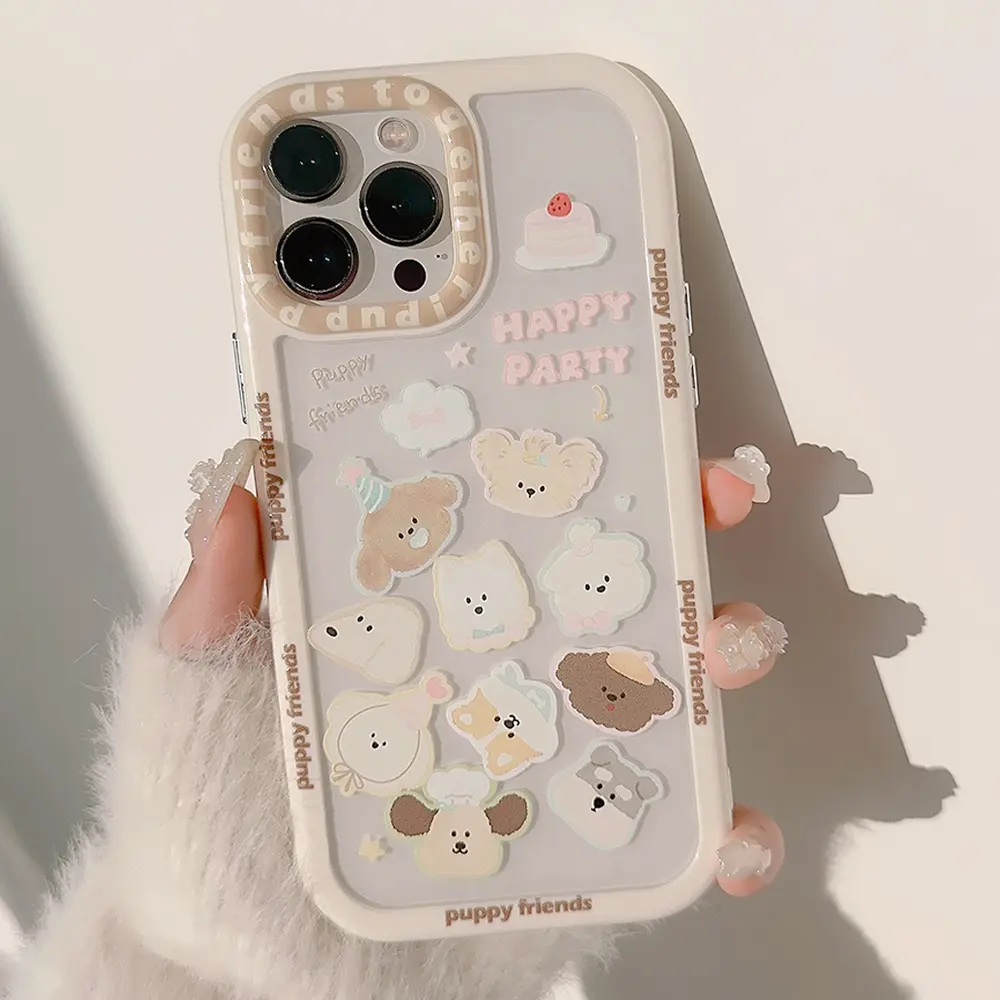 Painting Series