GET A QUOTE
Leave Your Message

Top 10 Transparent Phone Cases for Wholesale Buyers

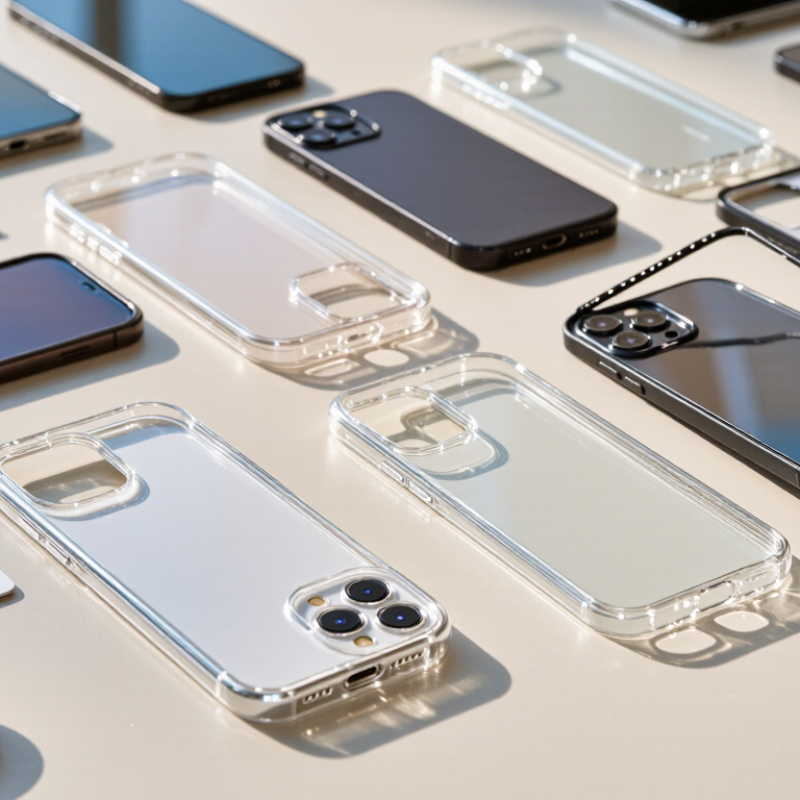
Wholesale buyers need more than a clear shell and a low unit price. A dependable Transparent Phone Case should balance optical clarity, impact protection, fit, and consistent production quality. Small flaws matter: cloudy edges, loose buttons, yellowing, or a camera ring that sits unevenly can quickly undermine customer trust. Check samples under natural light, then inspect their seams and cutouts by hand.

Materials specialist Maya Chen offers a practical benchmark: “Clarity matters only when the case keeps its fit and finish in daily use.” That idea guides this list of ten options. It also points to a limitation: no material stays pristine under every condition. Heat, sunlight, friction, and frequent handling can change a case’s appearance. Test claims against samples and request clear information about materials, coatings, packaging, and replacement policies before placing a bulk order.

Look beyond photographs. Compare flexible TPU, rigid polycarbonate, and hybrid designs for feel, transparency, and protection around corners. Ask suppliers for model-specific compatibility details, production lead times, minimum order quantities, and evidence of quality checks. A case that fits one phone generation may not fit the next. Small detail. This guide helps wholesale buyers assess ten transparent case styles with practical criteria, so they can shortlist products that suit their customers, price points, and inventory plans. Some trade-offs will remain; a lower-cost option may need more careful testing.
Top 10 Transparent Phone Cases for Wholesale Buyers

Top 10 Transparent Phone Cases for Wholesale Buyers: Scope and Ranking Criteria

Top 10 Transparent Phone Cases for Wholesale Buyers: Scope and Ranking Criteria

This guide compares transparent phone cases intended for wholesale purchasing, not individual retail use. It considers clear, standard-fit designs and excludes decorative cases whose main feature is a printed or opaque finish. The scope focuses on practical buying needs: model coverage, material details, packaging, customization options, and stated order quantities. Product descriptions are useful, but they do not replace inspecting a sample.

The ranking weighs clarity, fit, edge protection, button response, and resistance to yellowing. We also consider whether suppliers provide consistent specifications and realistic lead-time information. A case that looks crystal clear in a studio photo may show haze under bright shop lighting. Scores should reflect comparable details, not presentation alone. No single feature wins.

Tips: Request samples for popular phone models and check camera cutouts, port access, and the feel of the buttons. Compare samples under daylight and indoor lighting. Ask how material and color consistency are checked across batches. Small flaws matter. A slightly uneven edge can be easy to miss in a product listing, and ranking criteria cannot predict every production variation.
Top 10 Transparent Phone Cases for Wholesale Buyers: Scope and Ranking Criteria

This chart shows a suggested 100-point evaluation framework for comparing clear phone cases: protective design, material durability, optical clarity, device-model coverage, and wholesale readiness. The weights are editorial criteria, not measured market results; buyers can adjust them to match their product requirements.

IDC’s 1.24 Billion Smartphone Shipments in 2024: Why Device Fit Matters

IDC reported 1.24 billion smartphone shipments worldwide in 2024, reflecting a broad and varied device market. For wholesale buyers, that scale creates opportunity, but it also multiplies fit risks. A transparent case may look universal on a screen. It isn’t. Camera openings, button positions, and frame curves vary between models, sometimes within the same product family.

A small mismatch can make a case awkward to use or leave part of a camera exposed. Check exact model names against product specifications, not just screen size. Request samples before placing a bulk order. Test each case on the intended phone: press every button, connect a charging cable, and check whether the camera lenses sit clear of the case edge. Fit is not cosmetic. It affects daily use and returns.

Keep a model-by-model fit record, with measurements and sample photos that staff can verify. Clear materials can also make inspection easier: buyers can see whether cutouts align without removing the case. Still, no checklist catches everything; sample checks can miss production variation. That uncertainty deserves attention. Recheck samples from later batches, especially when dimensions or materials change, and keep compatibility claims precise on wholesale listings.

Compare Clear-Case Materials: TPU, Polycarbonate, and Hybrid Designs

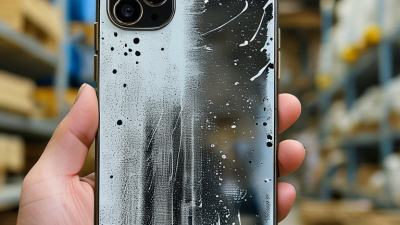
For wholesale buyers, clear-case material affects feel, protection, aging, and returns. TPU bends around phone corners and absorbs everyday knocks; its softer surface also offers grip. Yet some TPU grades can yellow or loosen after prolonged heat and sunlight. Polycarbonate holds its shape and supports a crisp, rigid back, but it may show scratches more clearly. Hybrid designs pair a PC rear panel with TPU edges, balancing structure and cushioning. The trade-off is another seam, which can collect dust or discolor.

PlasticsEurope’s 2024 Plastics—The Fast Facts report estimates global plastics production at 413.8 million tonnes in 2023. That figure covers all plastics, not phone cases, but it underscores why material durability and replacement rates deserve attention. For sampling, compare the same case design across materials. Check optical clarity under indoor and window light, then inspect camera openings, button feel, and corner fit. A clear case may look excellent on day one. That alone proves little.

Tips: Request samples from the intended production batch. Wipe them with a soft cloth, flex the corners, and photograph each sample beside a white card. Ask suppliers for UV-aging and drop-test conditions; results vary by grade and test setup. One detail is easy to miss: a hybrid case can feel premium but still yellow at its edges. I would test that before placing a large order.

Top 10 Transparent Phone Cases for Wholesale Buyers - Compare Clear-Case Materials: TPU, Polycarbonate, and Hybrid Designs

A practical comparison of common clear-case constructions. Protection depends on the case design, fit, device model, and test method; confirm specifications and sample quality with the supplier before ordering.

Rank Case Type Typical Construction Clarity and Yellowing Protection and Handling Wholesale Considerations Best Fit
1 Clear TPU Case One-piece flexible thermoplastic polyurethane (TPU), commonly with a raised screen and camera edge. Flexible and initially clear; exposure to UV light, heat, skin oils, and everyday use can cause yellowing or discoloration over time. Easy to install and provides a flexible grip. Corner cushioning and impact performance depend on wall thickness and structural details. Usually a straightforward, lightweight option. Check fit consistency, button response, transparency, and yellowing behavior in sample testing. Value-focused ranges and buyers seeking a soft, flexible clear case.
2 Clear Polycarbonate Shell Rigid, transparent polycarbonate (PC) back panel, often with open or separately fitted edges. Offers a crisp, hard-surface appearance. It may scratch, and prolonged environmental exposure can affect appearance; performance varies by resin and coating. Maintains its shape and resists bending better than soft TPU, but a rigid shell may transfer impact unless paired with suitable edge protection. Confirm scratch resistance, edge fit, coating details, and whether the design protects exposed corners. Customers who prefer a slim, firm-feeling case and a clear view of the phone.
3 TPU Bumper with PC Back Flexible TPU perimeter combined with a rigid transparent PC rear panel. The PC back can provide a glass-like, clear appearance; the TPU edges may discolor with use, depending on formulation and exposure. Combines a flexible edge with a rigid back. Corner design, raised lips, and material thickness influence practical protection. A versatile construction to evaluate across multiple device models. Inspect the joint between materials and check for gaps or separation. General-purpose clear-case assortments balancing appearance and everyday handling.
4 Air-Cushion Hybrid Case TPU or a TPU-PC combination with reinforced or geometrically shaped corners. Clear areas can show the device, although thicker corners and molded details may interrupt the uninterrupted look. Corner features are intended to add cushioning, but they do not establish a specific drop rating without a defined test and result. Ask for the test method, drop height, device model, and test conditions before using protection claims in sales materials. Buyers prioritizing visible corner reinforcement in a transparent design.
5 Slim Transparent TPU Case Thin, flexible TPU body with minimal bulk and molded openings for ports and controls. Provides a nearly unobstructed view, but thin clear TPU can show wear and discoloration with regular handling. Lightweight and easy to pocket; typically offers less bulk than reinforced designs. Protection should not be assumed from material alone. Check that a slim profile does not compromise button coverage, camera clearance, or fit around the device edges. Shoppers seeking a light, low-profile case rather than maximum coverage.
6 Hard PC Case with Coating Rigid transparent PC shell with a surface coating intended to improve scratch resistance or surface feel. Coatings may help resist fine surface marks, but results depend on the coating and test conditions; they do not make the case scratch-proof. Firm and shape-retaining, with limited flexibility compared with TPU. Coverage and corner design remain important. Request coating specifications and sample checks for visible haze, peeling, uneven gloss, and surface scratching. Retail ranges where a polished finish and firm structure are key selling points.
7 Frosted Clear Hybrid Case Transparent PC back with a matte or frosted surface, paired with a TPU or soft-touch perimeter. Diffuses reflections and fingerprints more than a glossy clear back, while showing the phone less sharply. Handling and impact characteristics depend on the perimeter material and corner construction. Check that the finish is even across the back and that printed or molded markings do not reduce the transparent appearance. Customers who want a subtle, less glossy alternative to a fully clear case.
8 Clear Case with Reinforced Frame Transparent back panel with a thicker or more structured TPU perimeter and raised edges. The back remains visible; the reinforced frame may be more noticeable and can use a different material or finish. Provides more edge coverage than a minimal shell when properly fitted. Actual protection depends on frame design and verified testing. Inspect edge height, corner coverage, port access, and the consistency of frame thickness across production samples. Buyers seeking a more protective-looking clear option without a fully rugged profile.
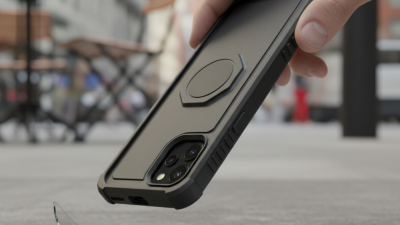
9 Clear Case with Built-In Stand TPU-PC hybrid or rigid PC construction with an integrated folding stand or support ring. Clear surfaces may be interrupted by the stand assembly; moving parts can add visible hardware or opaque sections. Supports hands-free viewing when the stand is open on a suitable surface. The mechanism adds weight and moving-part wear considerations. Test stand stability, hinge durability, device balance, and whether the stand interferes with wireless charging or accessories. Device users who value viewing convenience along with a transparent back.
10 Hybrid Case with Magnetic Ring Clear TPU-PC case with an embedded or attached magnetic ring assembly. The ring is usually visible through or on the rear panel, so the design is less visually minimal than a plain clear case. Magnetic accessory compatibility depends on ring placement, magnet strength, case thickness, and the accessory used. Verify device alignment and accessory compatibility with physical samples. Do not assume compatibility solely from the presence of a ring. Buyers targeting customers who use compatible magnetic mounts or charging accessories.

Rank the Top 10 by Drop-Test Evidence, Yellowing Resistance, and Wholesale Cost

A useful wholesale ranking weighs documented drop testing, resistance to yellowing, and landed unit cost—not clear appearance alone. Without comparable lab reports, treat this as a sourcing shortlist, not a verified test result. Ask suppliers for drop height, surface, sample count, and pass criteria. Proof matters.

Ranked by likely balance of protection and buying value:
  1. Hybrid clear cases with reinforced corners: strong test potential, moderate cost.
  2. Thick-edge TPU cases: good impact cushioning, low-to-moderate cost.
  3. Clear PC-back, TPU-frame cases: firm back, moderate cost.
  4. UV-stabilized TPU cases: better yellowing evidence when supported by aging tests, moderate cost.
  5. Raised-lip clear cases: useful screen and camera protection, low cost.
  6. Full-TPU cases: flexible and affordable, but may discolor sooner.
  7. Rigid clear PC cases: often resist color change better, but offer less edge cushioning.
  8. Slim clear cases: low cost and light, with limited drop protection.
  9. Recycled-content clear cases: promising, though batch color consistency needs checking.
  10. Basic uncoated clear cases: lowest cost, weakest evidence unless tested.

For yellowing comparisons, request the same UV exposure time and inspection method across samples. A “non-yellowing” claim alone proves little. For drops, inspect corners, camera rings, and case separation after each impact.

Ask for wholesale quotes at several order quantities; packaging and defect allowances can change the real cost. One drawback: supplier reports may not match your own phone models or receiving conditions. Order samples, and keep a few for follow-up checks.

Verify Supplier Claims Against IEC 60068-2-31 and Quality-Control Records

Transparent cases look simple, but wholesale claims need evidence. IDC’s January 2025 Worldwide Quarterly Mobile Phone Tracker reported 1.24 billion smartphone shipments in 2024, up 6.4% year over year. At that scale, a cloudy or poorly fitted batch can create real returns. IEC 60068-2-31 describes rough-handling shock tests, mainly for equipment specimens; it is not a universal phone-case grade. Ask suppliers which test method, drop orientation, surface, conditioning, and sample count they used. A certificate alone is not enough.

Request the complete laboratory report, including sample identification, test dates, equipment calibration, acceptance criteria, and failures—not just a pass statement. Then match the tested samples to production lots through dated inspection records, resin and molding references, defect counts, and corrective actions.

Check fit on the actual phone model, plus clarity and yellowing separately; rough-handling results do not establish long-term optical stability. Compare retained samples from different lots under consistent lighting. Small differences matter.

I would still question a beautifully formatted report if its sample cannot be traced to the goods being quoted. Quality-control records should show what happened when a batch failed, not only that inspections were performed.