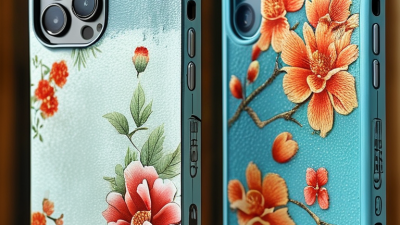
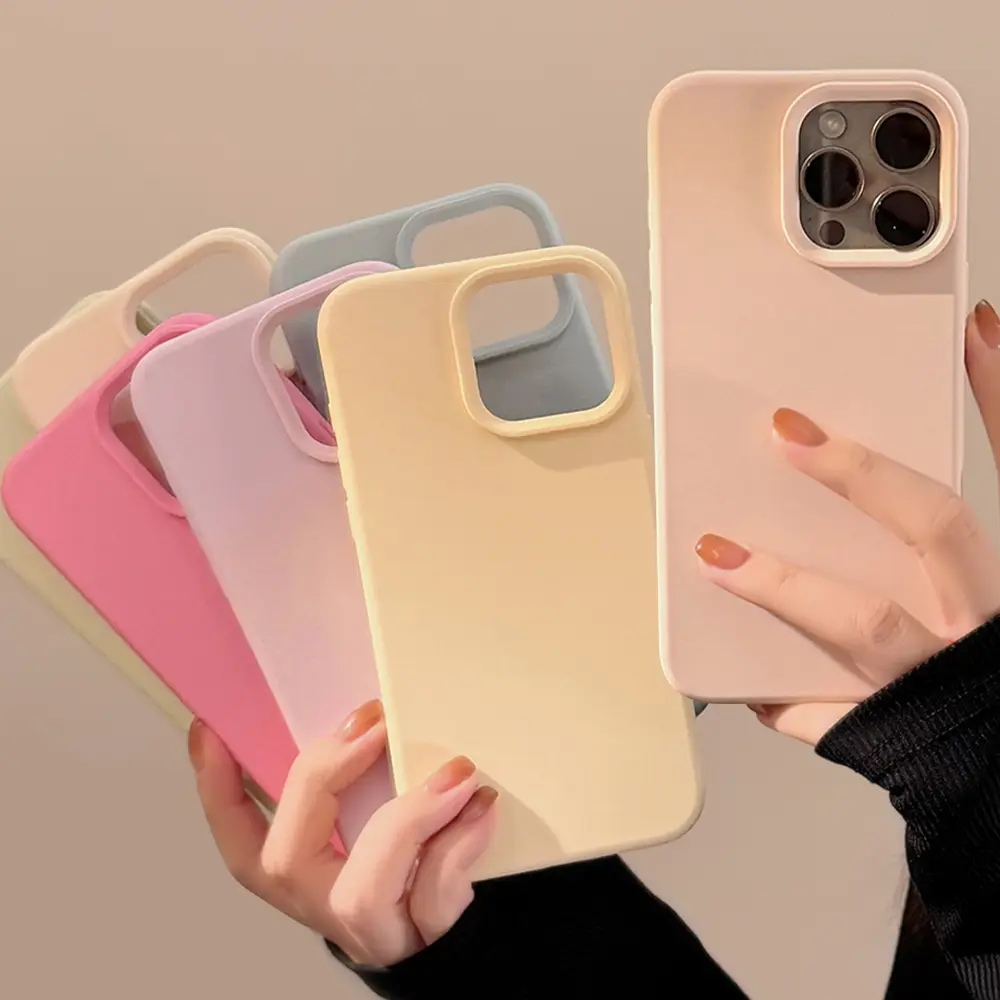
 TPU Solid Color Series
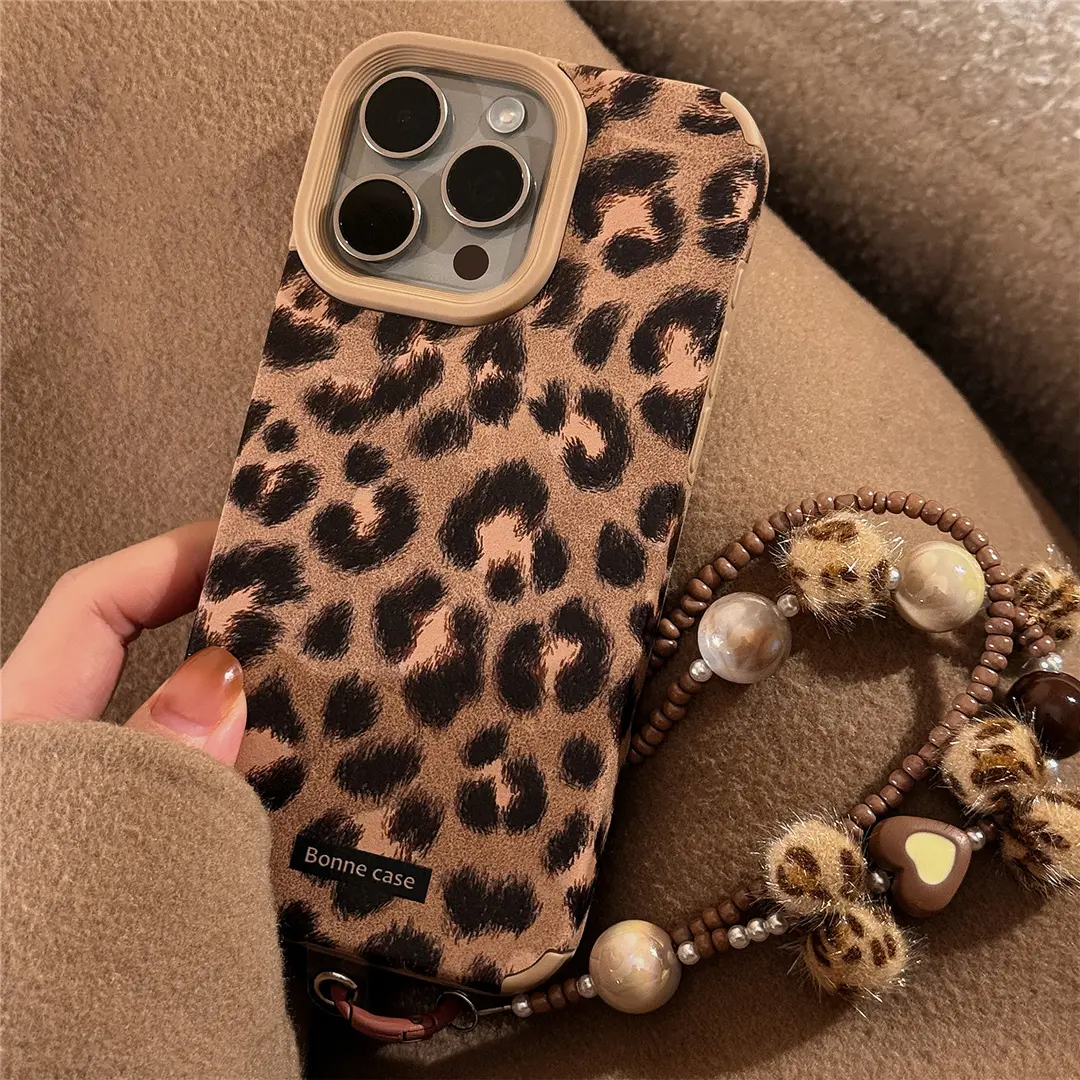 Adhesive Series
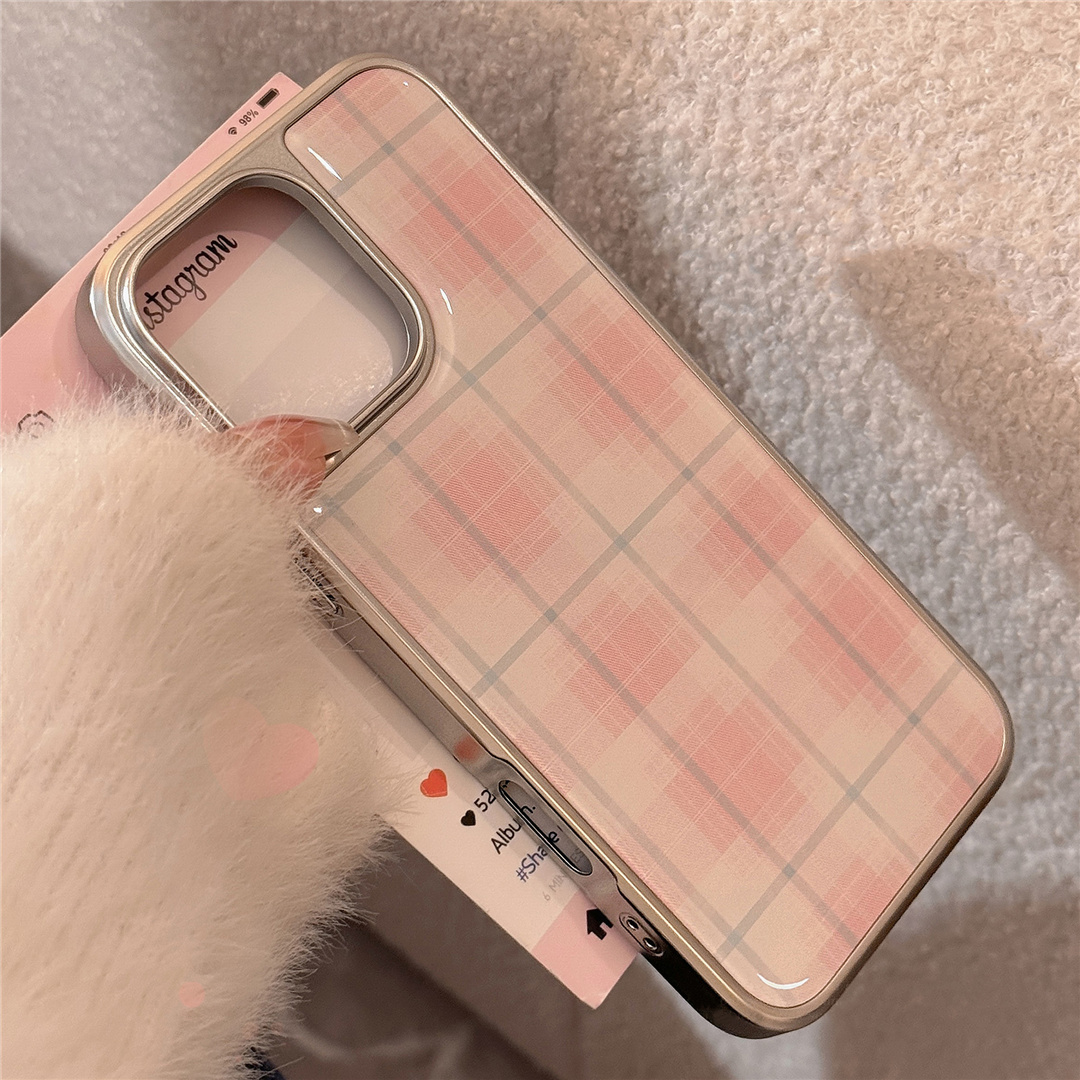 Drip Glue Series
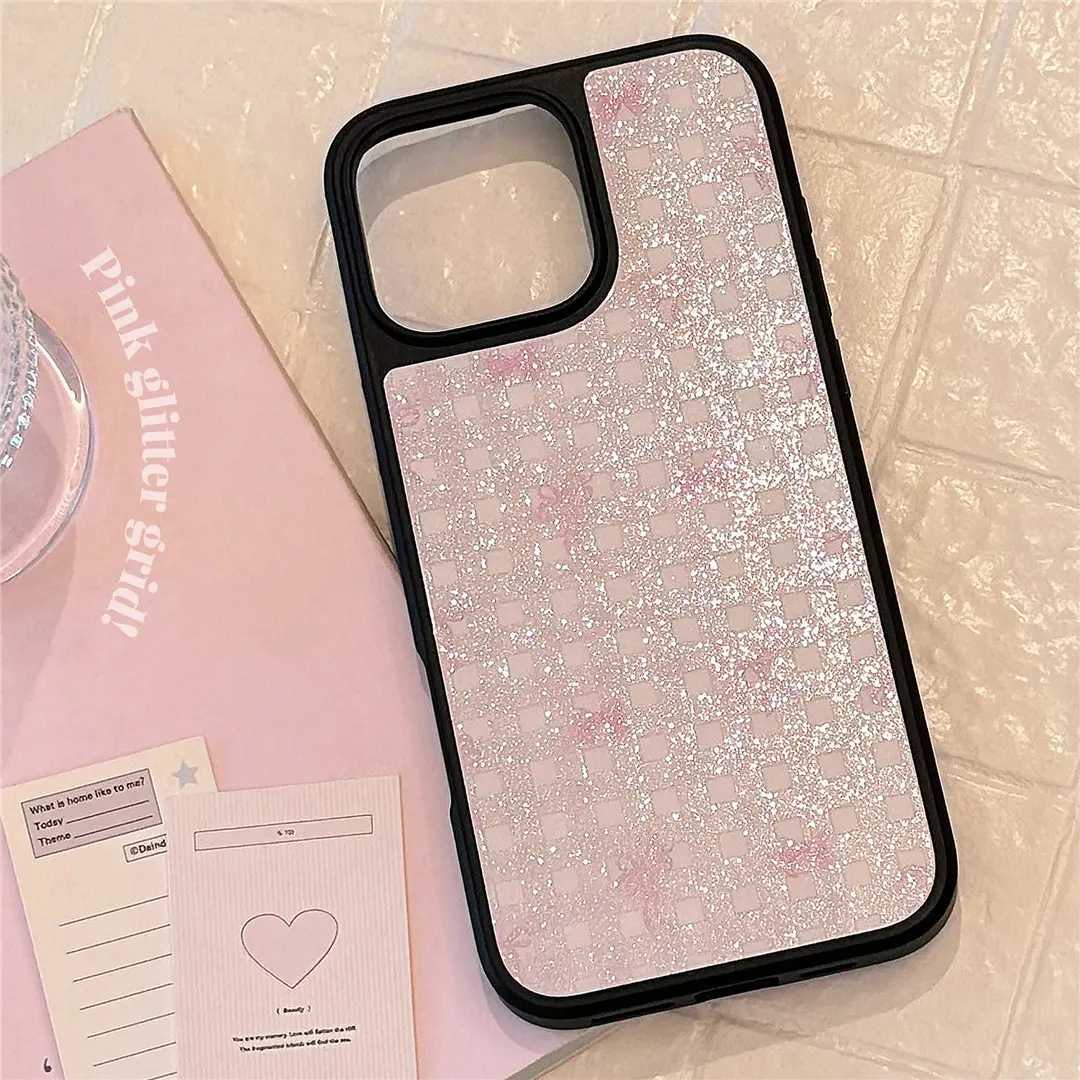 Liusha Series
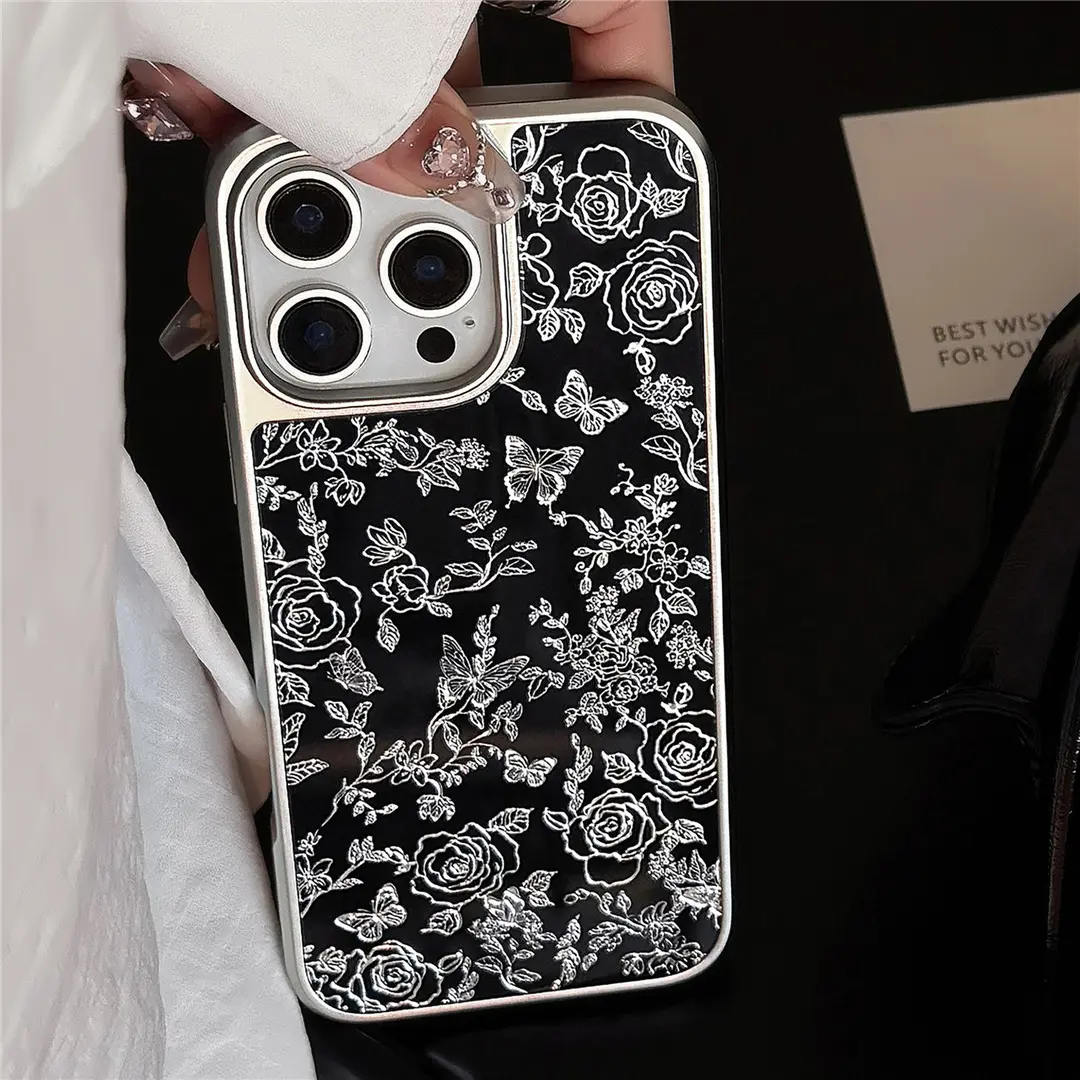 Gilded Series
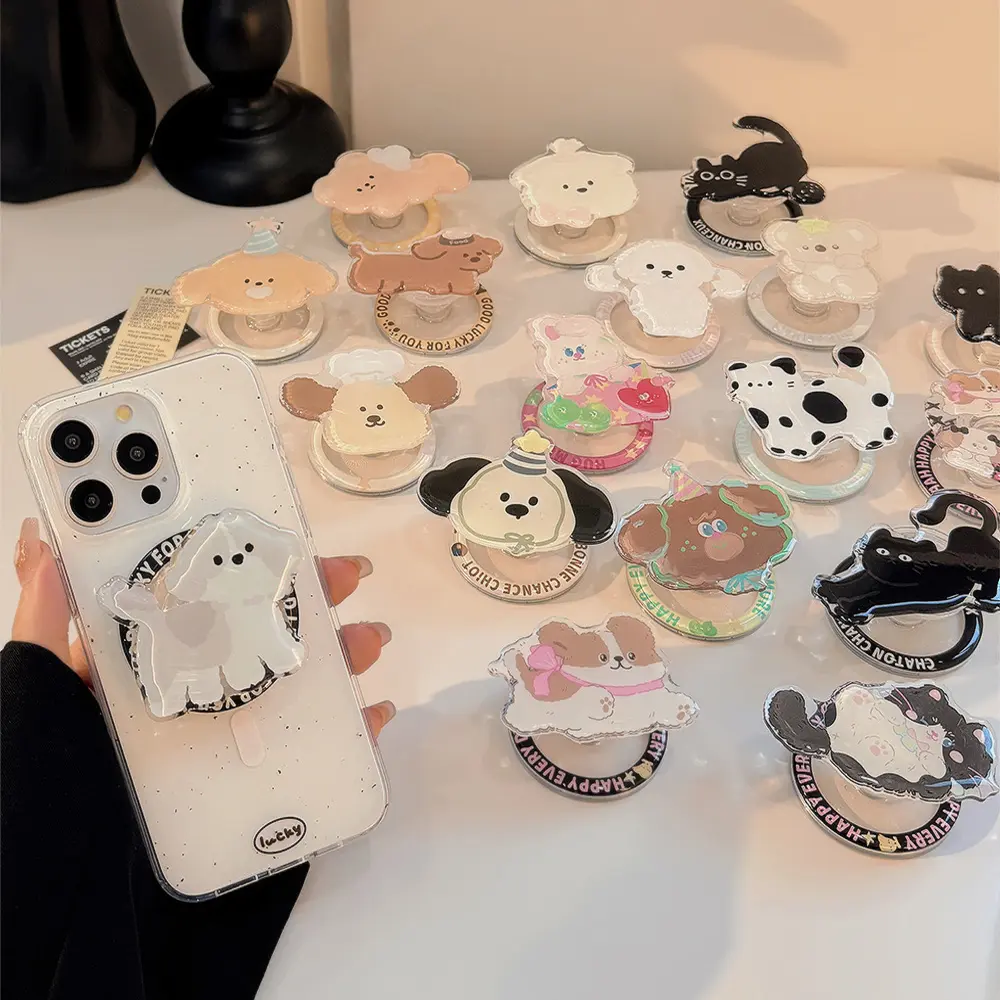 Magnetic Series
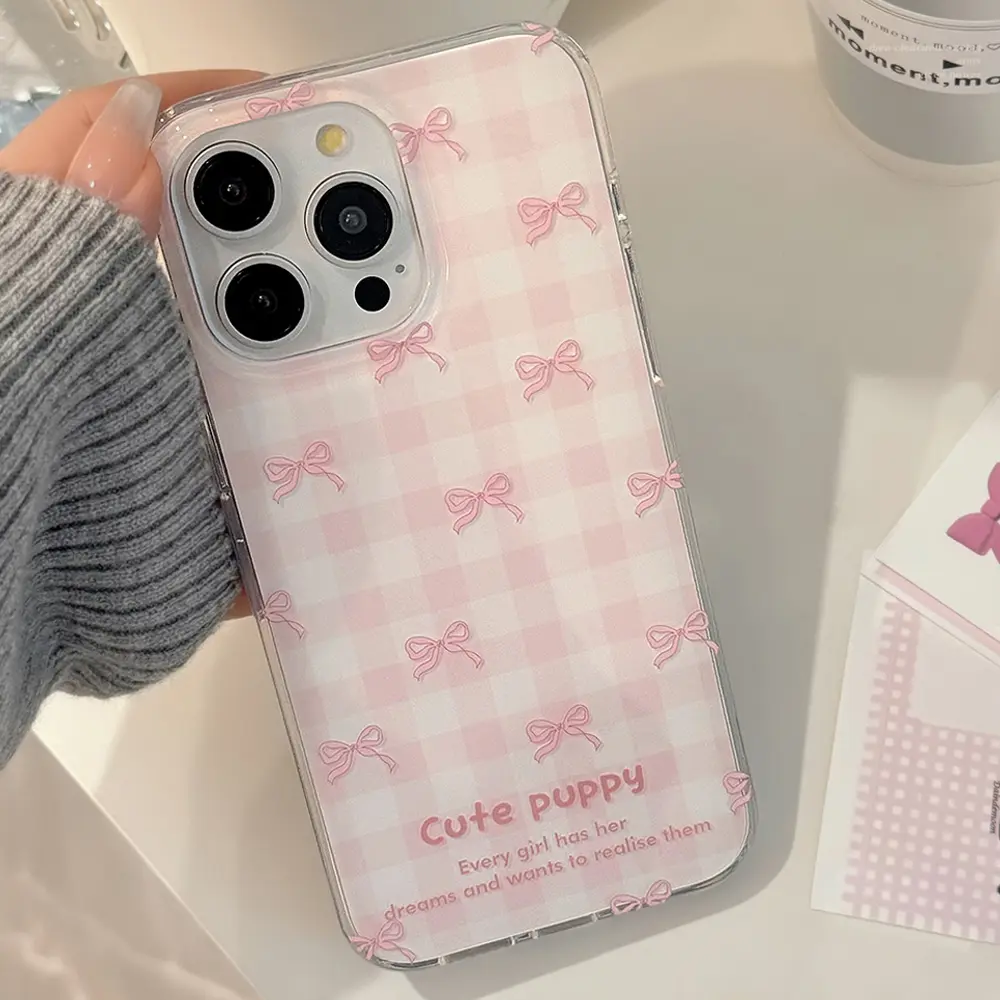 IMD Series
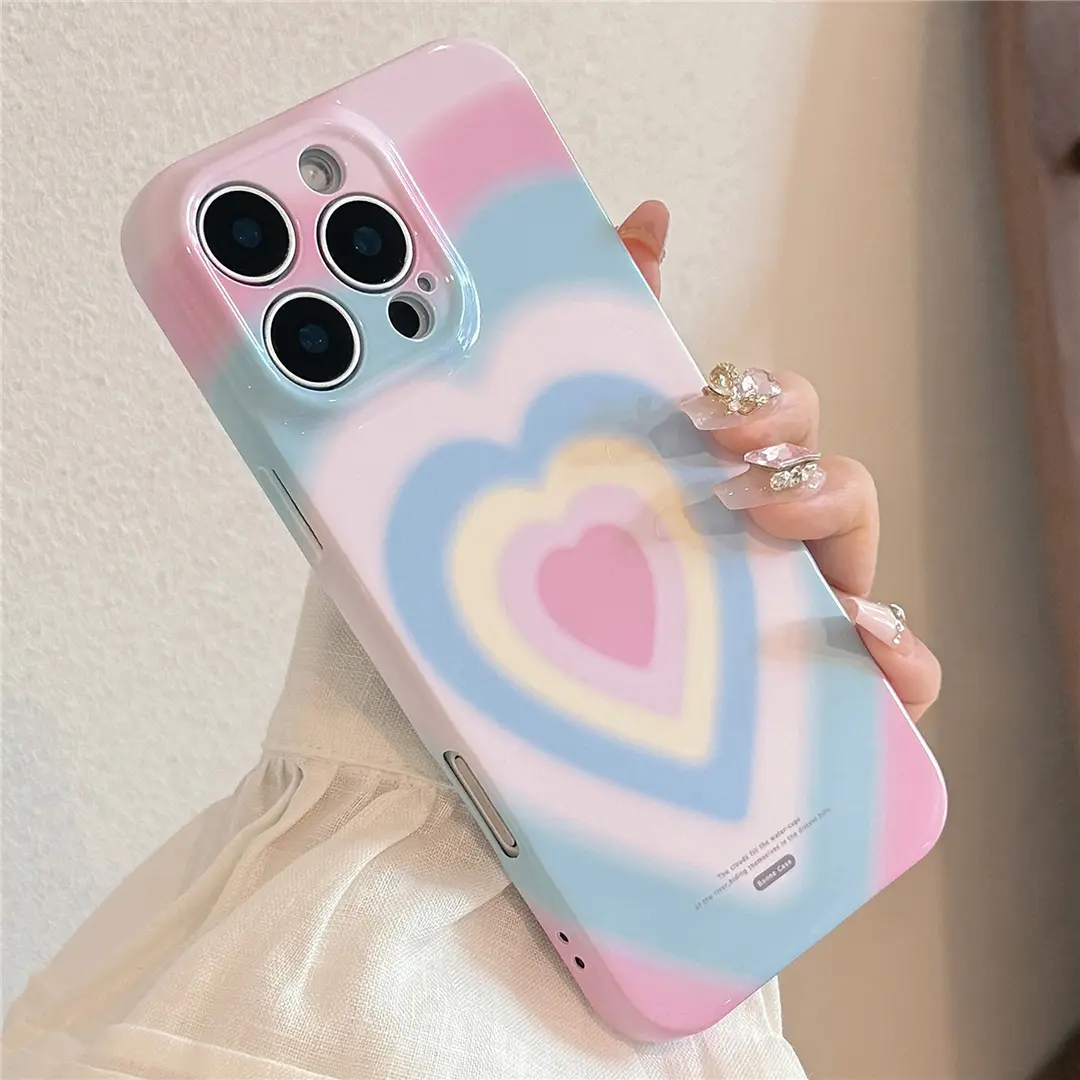 Film Series
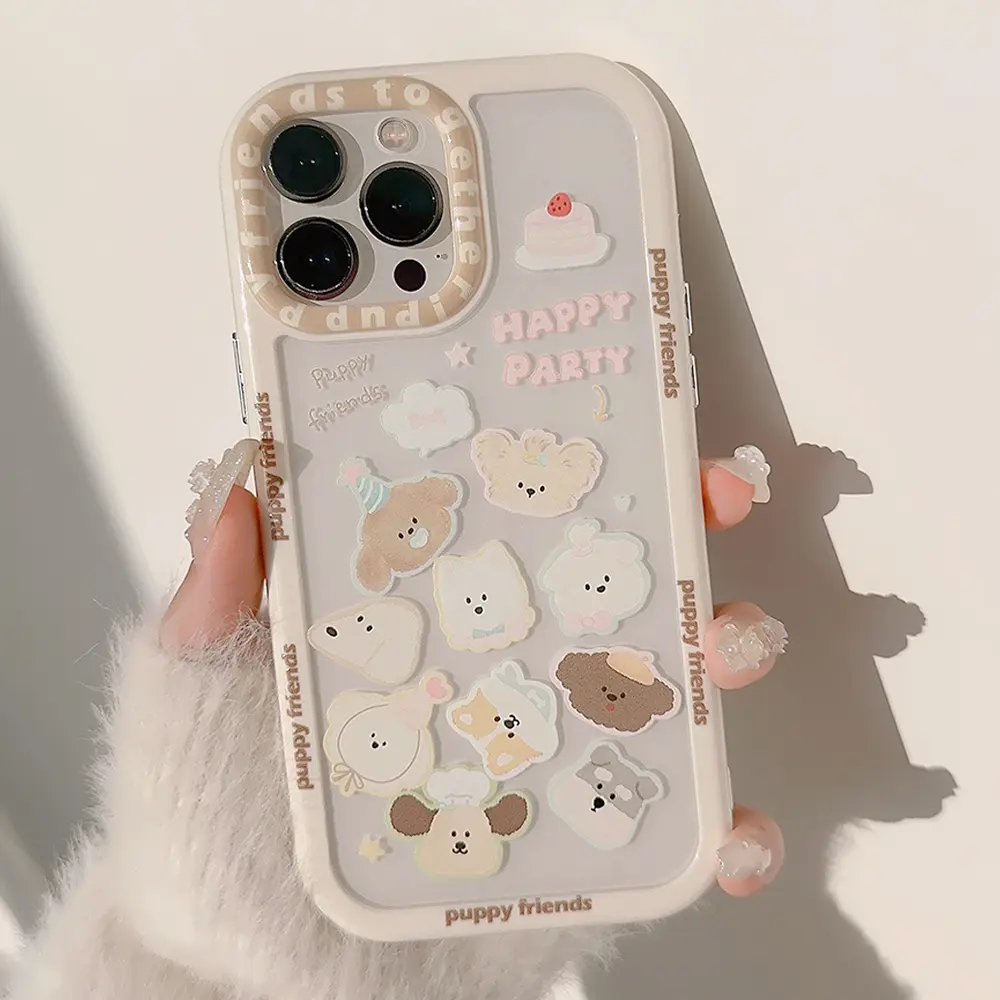 Painting Series
Leave Your Message
-
E-mail
-
Whatsapp

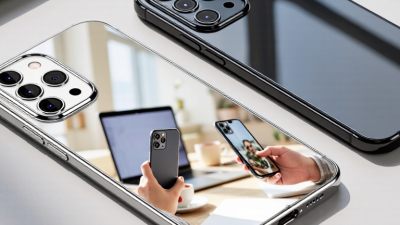
Choosing the right accessory can shape how customers remember your business. A Transparent Phone Case keeps the original phone design visible while adding a practical layer of protection. That balance matters in retail, promotional campaigns, and corporate gifting.
“A clear case should protect the phone without hiding the reason customers bought it,” says Maya Chen, a mobile-accessory product consultant with experience in business procurement. Her observation reflects a common customer expectation. People want visible branding, clean presentation, and dependable daily use. A transparent case can display a company logo, product color, or limited-edition finish without creating visual clutter.
For businesses, the value extends beyond appearance. Transparent designs can simplify inventory planning because they suit different phone colors and customer preferences. Durable materials may reduce replacement complaints. Accurate camera openings, responsive buttons, and a comfortable grip also influence reviews and repeat purchases. Small details matter.
Still, clarity is not perfection. Some materials may yellow over time, especially under heat or strong sunlight. A few buyers may also prefer privacy or stronger impact protection. Businesses should test samples before placing large orders. Check material quality, print durability, packaging, and supplier consistency. We often focus too heavily on attractive photos. Real-world handling can reveal weaknesses quickly.
A Transparent Phone Case works best when appearance and performance support each other. It can make a product feel modern, useful, and honest. That impression may be simple. It can also be commercially powerful.
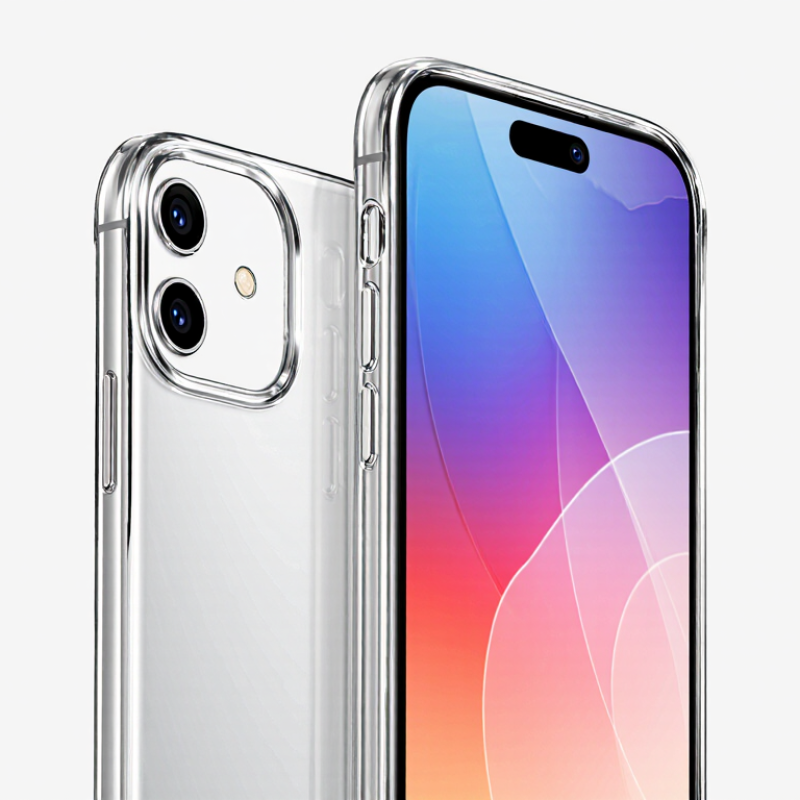
Transparent phone cases are protective covers designed to show a phone’s original color, logo area, and surface design. Most use flexible thermoplastic polyurethane (TPU), rigid polycarbonate, or a layered combination of both materials. TPU helps absorb everyday impacts, while polycarbonate adds structure around the back and edges. Some models also include raised camera lips and reinforced corners.
They are not truly invisible. Clear plastic can develop scratches, fingerprints, or yellowing over time, especially under heat and ultraviolet exposure. That weakness deserves attention. A business should inspect samples after repeated handling, not only judge them under showroom lighting. Fit, button response, grip, and wireless charging compatibility also influence customer satisfaction.
The commercial opportunity is substantial. IDC’s Worldwide Quarterly Mobile Phone Tracker recorded approximately 1.23 billion smartphone shipments in 2024, creating a large replacement-accessory market. Grand View Research has also identified continued growth in the global mobile phone protective cover market, supported by rising smartphone ownership and device replacement. These reports do not prove that every buyer prefers clear cases. They do show a broad customer base requiring practical protection.
For business use, transparent cases can support restrained branding through printed inserts, subtle edge colors, or customized packaging. They keep the device visible while adding a professional layer of protection. However, clarity alone is not quality. Material testing, abrasion checks, and honest care instructions are essential. Some designs look excellent at launch but age poorly.
A practical comparison of transparent phone case characteristics, business benefits, and selection factors
| Data Dimension | Typical Information | Business Value | Important Considerations | Overall Assessment |
|---|---|---|---|---|
| Definition | A transparent phone case is a protective cover made with clear or highly translucent materials, commonly thermoplastic polyurethane (TPU), polycarbonate (PC), or a combination of both. | Allows the phone’s original color, shape, and design to remain visible while providing a protective layer. | Transparency levels vary by material, thickness, surface finish, and manufacturing process. | High practicality |
| Material Structure | Soft TPU is commonly used for flexible edges and shock absorption, while rigid PC is often used for structural support and a clearer, harder back panel. | Different material combinations can support different product tiers, price points, and customer preferences. | Material performance depends on formulation, thickness, molding quality, and quality control. | Versatile |
| Product Visibility | Clear cases preserve visibility of the phone’s back panel, color, camera layout, and decorative design. | Useful for customers who want protection without concealing the appearance of their devices. | Dust, fingerprints, scratches, and discoloration can reduce visual clarity over time. | Strong aesthetic benefit |
| Protection Coverage | Many designs cover the back and sides of the phone and include a raised rim around the screen or camera area. | Provides basic everyday protection against scratches, minor impacts, and surface contact. | Protection varies by edge height, corner reinforcement, case fit, and drop-test performance. No case eliminates all damage risk. | Moderate to strong |
| Grip and Handling | Flexible TPU surfaces generally provide more grip than smooth hard plastic surfaces. | Improved handling may reduce accidental slips and can increase day-to-day user comfort. | Grip may change with surface texture, hand moisture, coatings, and long-term wear. | Material-dependent |
| Weight and Thickness | Transparent cases are often available in slim, lightweight designs, although reinforced versions may be thicker and heavier. | Lightweight designs help maintain the portability and appearance of the original phone. | Thinner construction may provide less impact protection than reinforced multi-layer designs. | Good balance |
| Branding and Customization | Clear surfaces can support printed graphics, inserts, labels, patterns, or subtle decorative elements while retaining a visible phone design. | Suitable for promotional products, employee gifts, event merchandise, and customized retail collections. | Printing durability, color accuracy, minimum order quantity, and artwork placement should be confirmed before production. | High flexibility |
| Device Compatibility | Cases are model-specific because phone dimensions, button locations, camera modules, and charging ports differ. | A broad model range can help serve different customer groups and business purchasing requirements. | Accurate device measurements and fit testing are essential to prevent loose fitting, blocked ports, or camera interference. | Requires careful sourcing |
| Yellowing Risk | Some clear TPU materials may yellow or develop a warmer tint after extended exposure to ultraviolet light, heat, oils, and environmental conditions. | Material selection and product transparency can influence customer satisfaction and return rates. | Anti-yellowing claims should be supported by testing information; performance varies by formulation and usage conditions. | Key quality factor |
| Cleaning and Maintenance | Most transparent cases can be cleaned with mild soap, water, and a soft cloth after removing the phone. | Simple maintenance supports hygiene and helps preserve the case’s appearance. | Strong solvents, abrasive cleaners, and excessive heat may damage the material or surface finish. | Easy maintenance |
| Wireless Charging Compatibility | Many slim transparent cases are compatible with wireless charging, but compatibility depends on case thickness, materials, magnets, and phone design. | Supports convenient use without removing the case when the case and charging system are compatible. | Each phone-and-charger combination should be tested, especially when using magnetic accessories or thicker protective designs. | Compatibility required |
| Business Applications | Common applications include retail accessories, corporate gifts, promotional merchandise, employee equipment protection, and customized event products. | One product category can serve practical, promotional, and presentation-focused business needs. | Selection should match the target market, phone models, customization method, order volume, and budget. | Broad application |
| Sustainability Considerations | Transparent cases are generally made from synthetic plastics, and recycling options depend on local facilities and material composition. | Material disclosure and responsible packaging can support more informed purchasing decisions. | Look for clear material information, reduced packaging, longer product life, and appropriate end-of-life guidance. | Requires evaluation |
| Quality-Control Checklist | Important checks include fit accuracy, button response, camera clearance, port access, edge finish, transparency, print adhesion, and durability. | Consistent quality can reduce complaints, replacements, and product returns. | Samples and documented inspection criteria should be reviewed before placing a larger order. | Essential |
Note: Actual performance depends on the case material, design, manufacturing quality, phone model, usage conditions, and care practices.