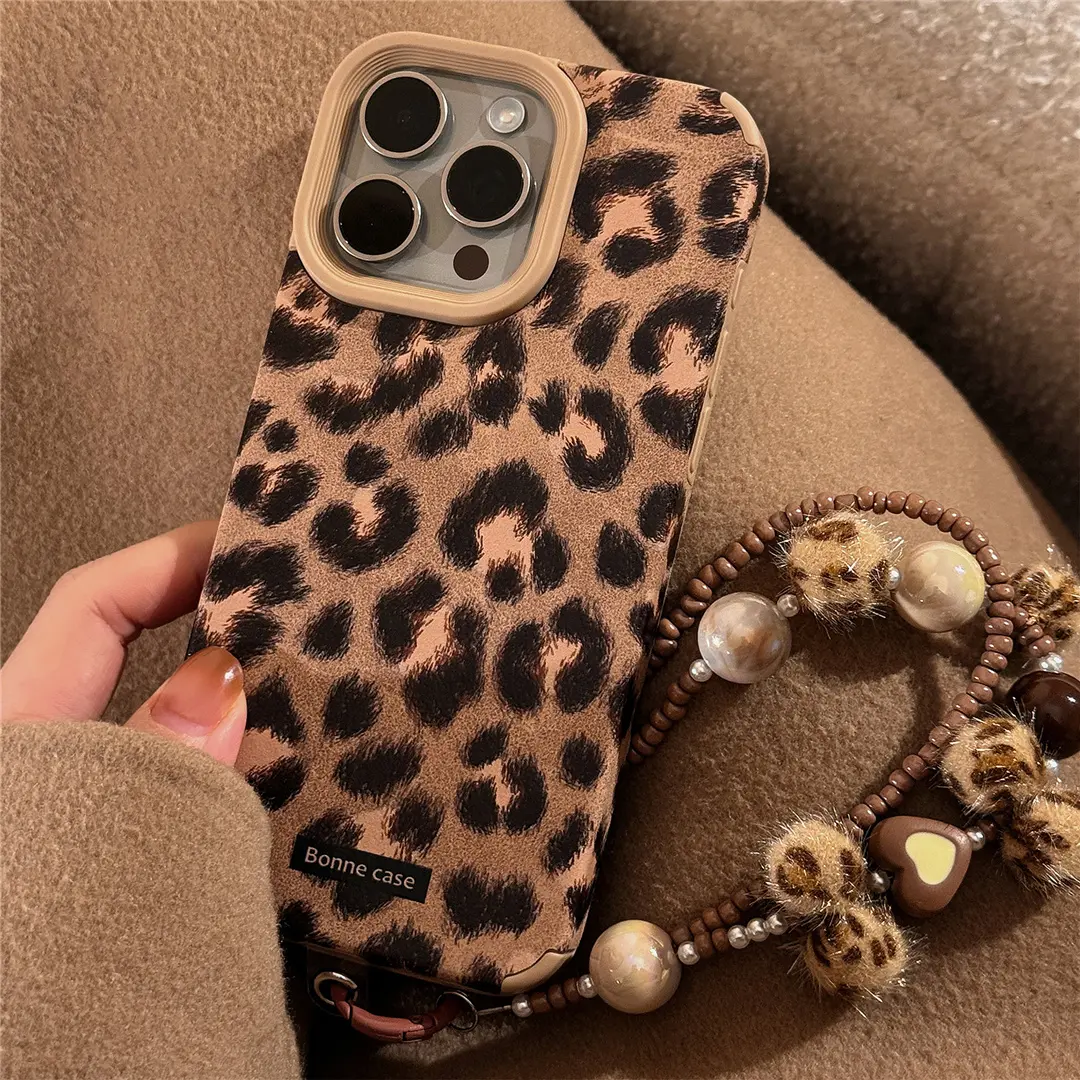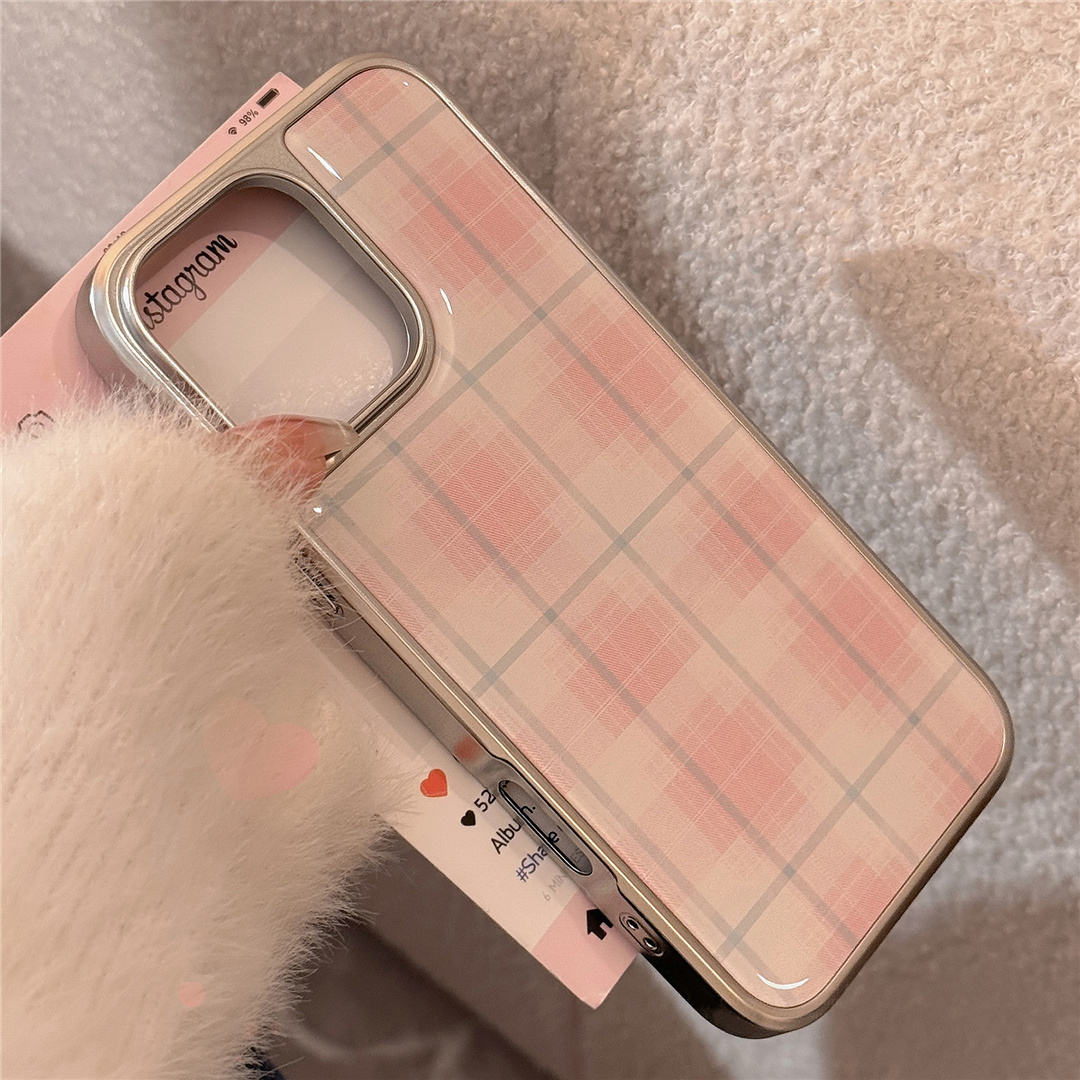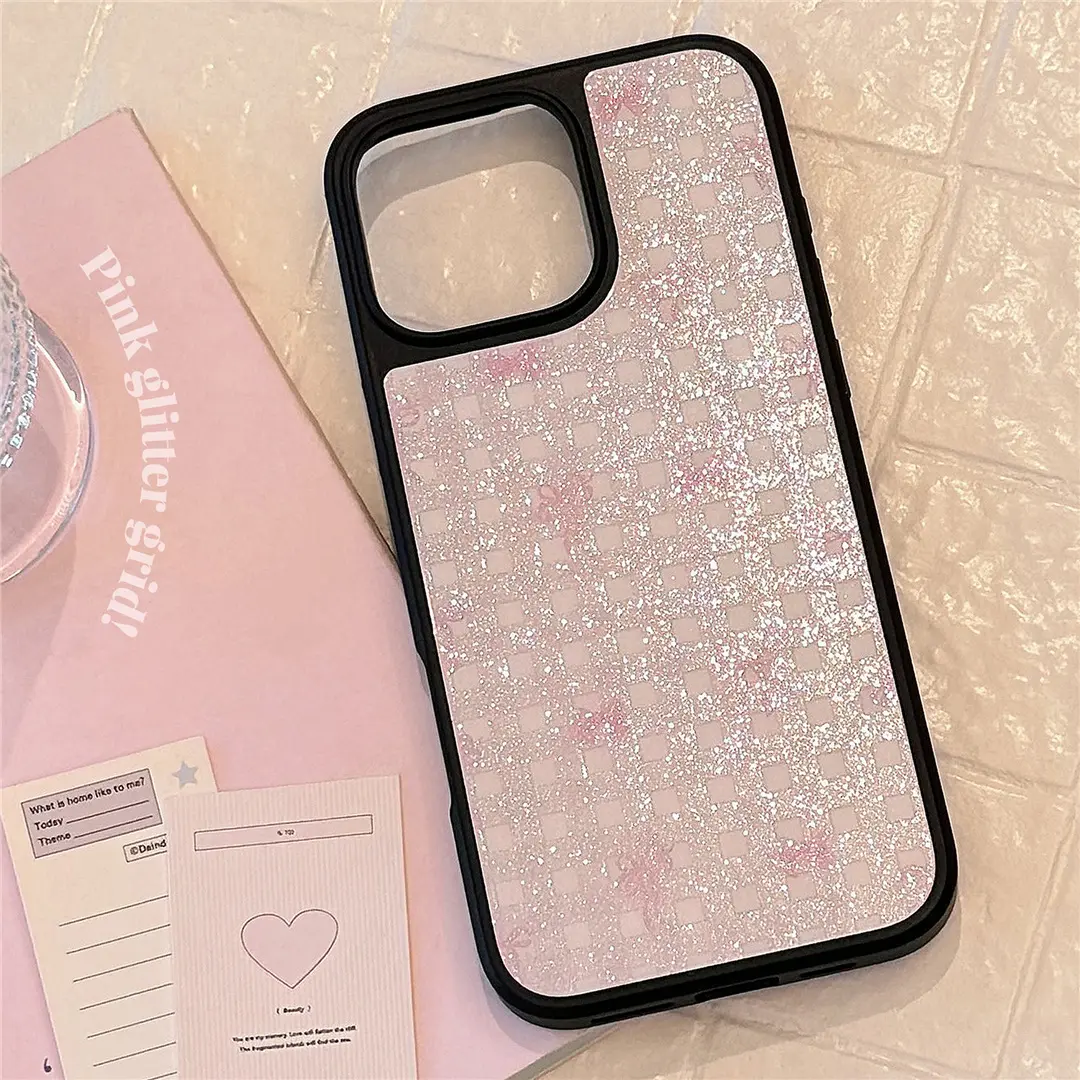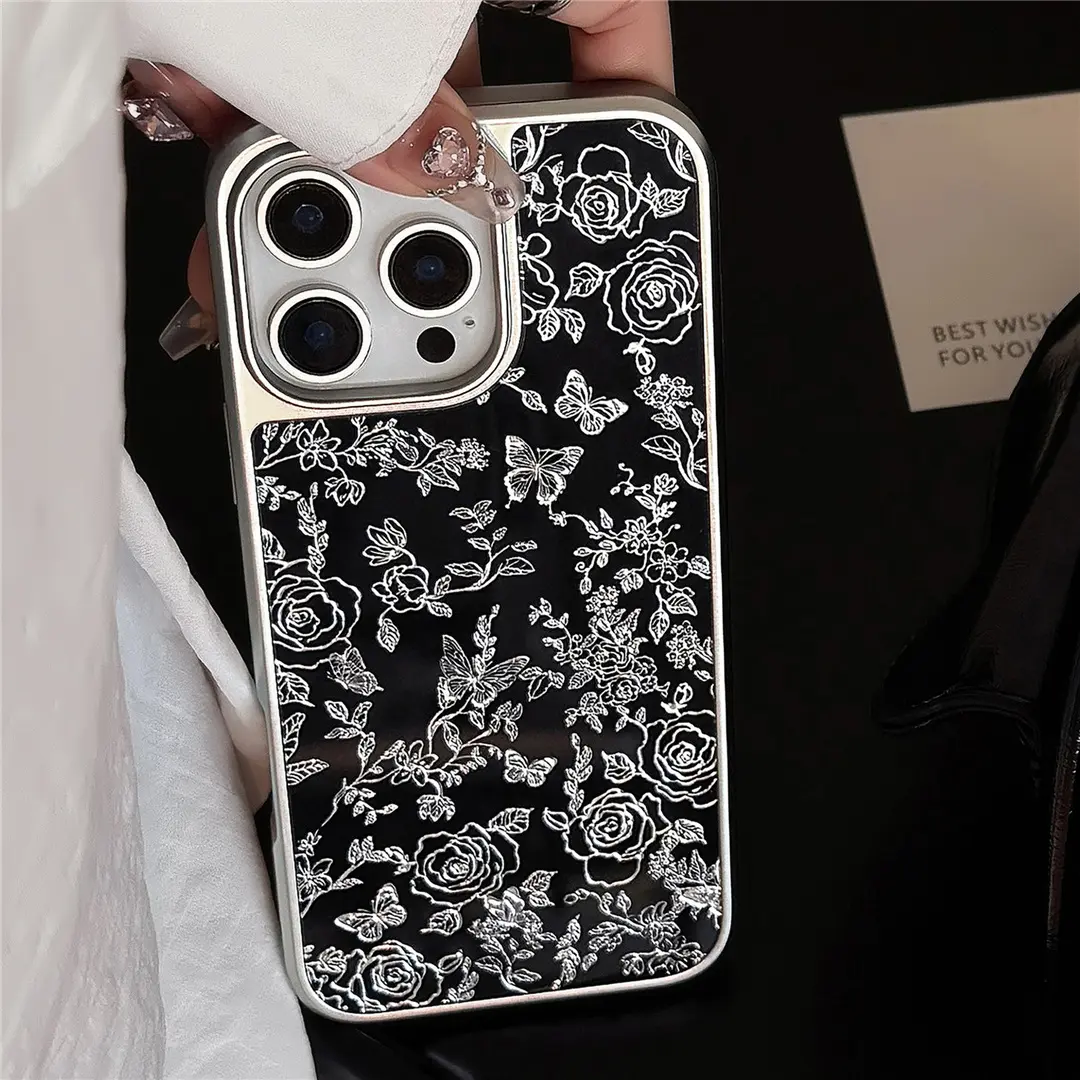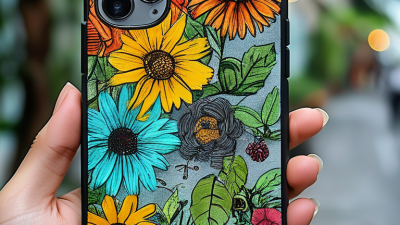
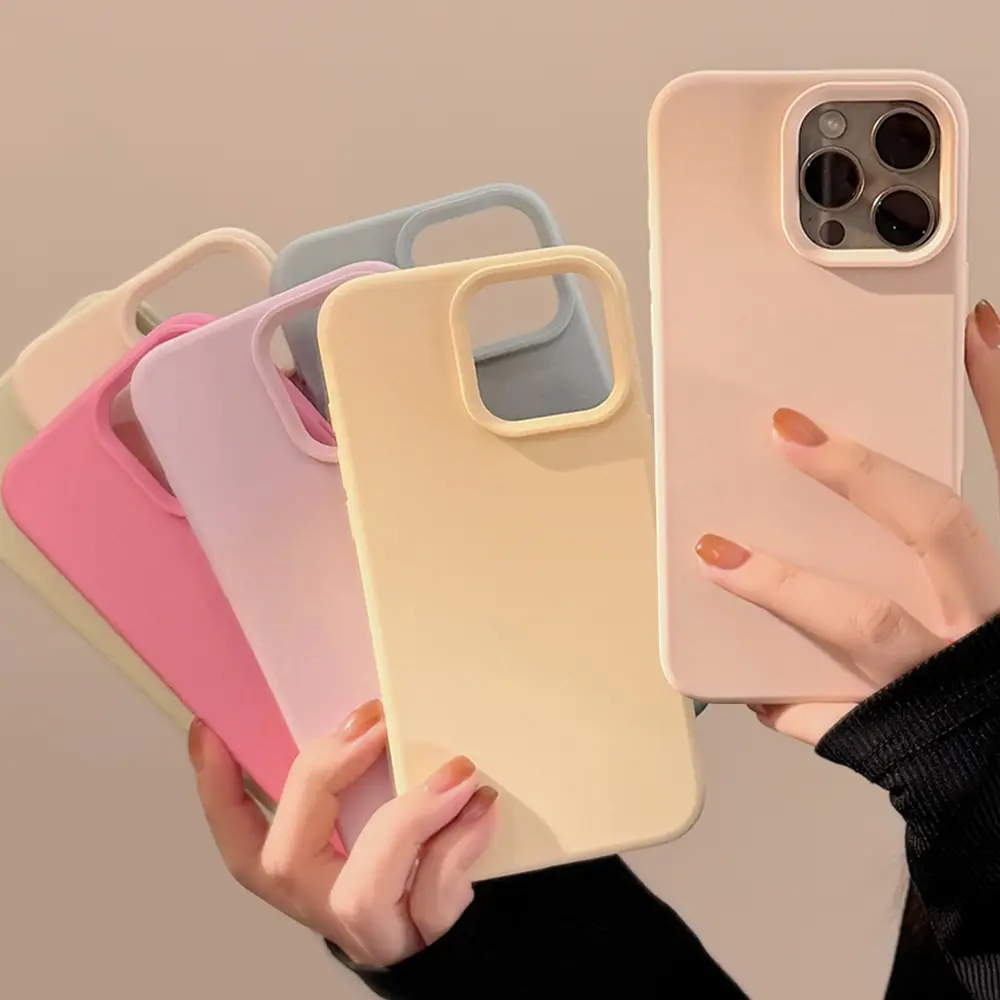
Why Choose IMD Phone Cases for Custom Branding?
A phone case is no longer only a protective accessory. It travels through offices, cafés, airports, and customer meetings. That movement creates repeated brand exposure. Grand View Research valued the global mobile phone accessories market at approximately $278.69 billion in 2023. It also expects continued growth through 2030. These figures suggest strong commercial space for branded accessories, not just standard promotional goods.
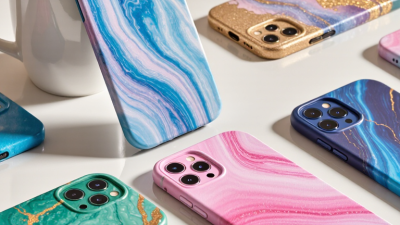
In-Mold Decoration places graphics inside the case surface during molding. Logos can appear beneath a smooth, durable finish. Colors remain visible while customers handle the case daily. This detail matters. Scratched stickers can weaken brand perception quickly. A well-made Imd Phone Case feels more like a designed product than disposable merchandise. PPAI reported promotional products sales of about $26.6 billion in 2023, showing that useful branded items still attract business investment.
Marty Neumeier, a respected brand-strategy expert, wrote, “A brand is not what you say it is. It’s what they say it is.” That principle applies to every Imd Phone Case campaign. The surface must support the message. A clear logo, balanced color, and comfortable grip can feel quietly persuasive. Yet custom branding is not automatically successful. Poor color matching, weak material testing, or an oversized logo may create the wrong impression. That is the uncomfortable part. The case should be tested in real hands, under real light, before large-scale production. Brands should also verify supplier quality, print consistency, and responsible material claims.
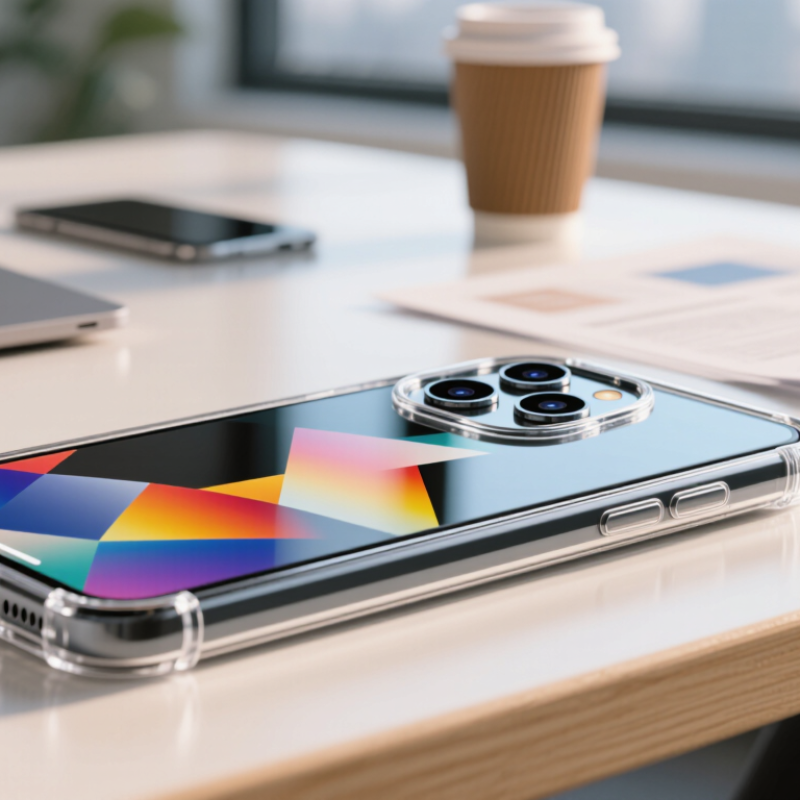
In-Mold Decoration, or IMD, is a manufacturing process that places printed graphics inside a phone case mold. A thin decorative film is shaped, positioned, and bonded with injected plastic. The artwork becomes part of the case, rather than sitting on top like a simple sticker or coating.
This structure gives custom branding a clean, durable appearance. Logos, color blocks, textures, and fine patterns can remain visible while the outer surface resists everyday rubbing. In practical use, this matters when a case moves through pockets, bags, desks, and frequent handling. The finish can also support consistent visual details across larger production runs. However, results depend on film quality, ink selection, mold precision, and careful color management.
IMD cases can feel smooth and refined in the hand. Some designs include subtle textures that improve grip without making the surface rough. The process may also reduce extra finishing steps, although it is not automatically the best choice for every order. Small batches, complex shapes, or frequent artwork changes may require more planning and higher setup costs. Sample testing remains essential. A case may look accurate on a screen but appear darker, softer, or less detailed after molding. Reviewing physical samples, checking edge alignment, and testing repeated handling can reveal problems before production. That honest step often protects both brand credibility and customer experience.
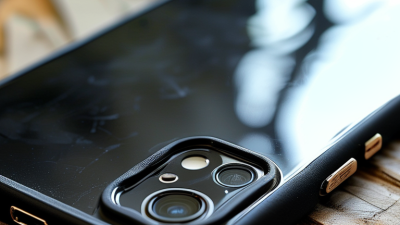
In-Mold Decoration, or IMD, places printed graphics inside a phone case during molding. The design becomes part of the surface, rather than a separate sticker. This process supports sharp logos, detailed patterns, and consistent branding across production batches. It also protects artwork from light scratches, handling, and daily friction. The result feels integrated.
The process begins with artwork preparation. Designers check line thickness, color limits, safe areas, and camera-cutout alignment. A printed film is then shaped and positioned inside a mold. Resin fills the mold behind the film, bonding the layers under controlled heat and pressure.
Samples should be reviewed before mass production. Not every first sample is perfect. Small shifts can affect edges, color depth, or button openings. Practical testing helps reveal these issues early. Scratch testing, heat exposure, and repeated handling can show whether the decoration remains stable.
Tips:
Use clear artwork files and defined color references. Keep important details away from curved edges. Request a physical sample, not only a digital preview. Check the case under indoor and natural light. A minor color mismatch may look harmless on screen but obvious in production. Also, confirm the film and resin work together. Poor material compatibility can cause lifting, bubbles, or uneven surfaces. Careful inspection may slow the schedule slightly, but it reduces avoidable rework.
Businesses choose IMD phone cases because branding becomes part of the surface, not a label attached afterward. In-mold decoration embeds printed graphics during molding, helping designs resist peeling, rubbing, and light moisture. This matters in daily use, where cases slide across desks, car consoles, and retail counters. Production reviews still need to check color consistency, camera cutouts, and edge coverage.
The market is large enough to justify careful customization. IDC forecast 1.21 billion smartphone shipments worldwide in 2024, creating a broad audience for branded accessories. GSMA’s Mobile Economy 2024 report also estimated 5.6 billion unique mobile subscribers globally in 2023. A case travels with its user. That repeated visibility can support event campaigns, employee kits, and product launches without occupying extra advertising space.
The practical benefits are more specific. IMD supports detailed logos, gradients, textured effects, and short-run design variations. It can reduce the need for separate stickers or surface labels. However, the process is not automatically sustainable or flawless. Material selection, ink adhesion, mold accuracy, and recycling requirements need technical review. Smithers’ 2024 analysis of printed electronics highlights growing demand for durable, integrated printed surfaces, but performance depends heavily on production controls. Test samples matter. A beautiful digital proof may still show weak contrast around curved edges. Brands should measure abrasion resistance, drop performance, and user handling before scaling an order.
| Business Criterion | IMD Phone Case Characteristic | Branding Benefit | Practical Business Value | Important Consideration |
|---|---|---|---|---|
| Graphic durability | The graphic is formed as part of the molded decorative layer rather than applied only as a conventional surface sticker. | Logos, patterns, and campaign artwork can maintain a more integrated appearance during normal handling. | Helps promotional products continue representing the business after repeated everyday use. | Actual wear resistance depends on the resin, coating, artwork, and testing method selected. |
| Design flexibility | IMD processes can support full-color graphics, detailed patterns, text, and photographic-style artwork. | Businesses can create packaging-like visual consistency across different campaign designs. | Suitable for employee gifts, event merchandise, customer promotions, and limited-edition campaigns. | Fine details should be checked against the supplier’s resolution, color, and file specifications. |
| Brand visibility | A phone case provides a visible surface that travels with the user in offices, meetings, stores, and public spaces. | The brand message can receive repeated exposure without requiring a separate advertising display. | Turns a practical accessory into a mobile promotional item and conversation starter. | Visibility varies with the case color, logo placement, phone model, and user behavior. |
| Product functionality | The decoration can be integrated with a protective case structure designed around the phone model. | Branding does not have to replace practical product features such as device fit and everyday protection. | Useful for promotional programs where recipients are expected to use the item regularly. | Protection level differs by construction; verify edge coverage, material, drop testing, and compatibility. |
| Premium appearance | In-mold decoration can produce a smooth, unified finish when the tooling and surface treatment are properly controlled. | A refined finish can support a professional visual identity and improve perceived product quality. | Appropriate for corporate gifts, retail merchandise, product launches, and customer loyalty programs. | Gloss, texture, transparency, and color appearance should be approved using a production sample. |
| Production consistency | The molding process can repeat the same decorative layout across a production batch after tooling and artwork are approved. | Consistent logo positioning and color treatment help maintain uniform brand presentation. | Beneficial for coordinated campaigns, distributed teams, multi-location events, and reseller programs. | Color tolerances, registration, and acceptable defect limits should be documented before mass production. |
| Scalability | Once the mold and production setup are established, the same design can be repeated for larger quantities. | Supports the use of one approved design across recurring promotional orders. | Can be suitable for organizations planning ongoing campaigns rather than one-time prototypes. | Tooling, minimum order quantity, setup charges, and lead time must be confirmed in the quotation. |
| Material and finish options | Decorative effects may include opaque, transparent, textured, metallic-look, or patterned finishes, depending on the process. | Allows the case design to align more closely with a campaign theme or visual identity. | Creates more design options than a single standard-color promotional accessory. | Not every effect is available for every resin, mold design, or phone model. |
| Quality control | Quality can be evaluated through checks such as visual inspection, dimensional inspection, adhesion testing, and abrasion testing. | Defined inspection criteria reduce the risk of receiving products that do not match the approved artwork or specification. | Improves purchasing control for branded merchandise and repeat orders. | Test methods and acceptance thresholds should be agreed with the manufacturer before production. |
Why Choose IMD Phone Cases for Custom Branding?
In-mold decoration, or IMD, places printed graphics inside the case material during molding. This can protect artwork from everyday rubbing, pockets, and light moisture. From practical production experience, bold layouts usually remain clearer than delicate illustrations. Small details may soften after molding. That limitation deserves attention.
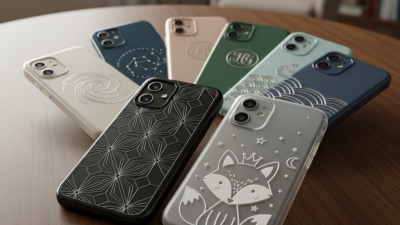
A distinctive brand case can use a full-wrap pattern, a restrained logo area, or a transparent back with layered graphics. Matte surfaces create a soft, professional feel, while gloss highlights color and fine contrast. Tactile textures can suggest fabric, waves, or geometric lines without adding separate parts. They feel memorable.
Color matching should be tested on physical samples. Screens often make shades appear brighter than molded plastic. Metallic effects and gradients also need careful checking around camera openings and curved edges. A designer might combine one strong base color with a quieter interior print. This leaves the case recognizable without making it visually crowded.
Good design is not always louder. A useful prototype should test grip, button access, print alignment, and cleaning resistance. Some textures look attractive but collect dust more easily. That trade-off is easy to miss. Using fewer colors may reduce visual noise, yet it can make a pattern feel unfinished. Reviewing samples with real users can reveal these issues before production.
Why Choose IMD Phone Cases for Custom Branding?
Quality, Durability, and Production Considerations
IMD phone cases place printed graphics inside the molded surface, rather than leaving ink exposed. This structure helps protect logos, patterns, and fine text from daily rubbing. In production reviews, I look closely at color consistency, edge alignment, and surface clarity. Small flaws become obvious under bright retail lighting. Details matter.
Durability depends on more than attractive artwork. The selected plastic must balance impact resistance, flexibility, and a comfortable grip. Poor material matching can cause warping, dull colors, or weak corners after repeated use. A reliable supplier should provide samples, test reports, and clear tolerance standards. Drop testing is useful, but it does not copy every real-life situation. Heat, pocket friction, and cleaning can affect the finish differently. This is where assumptions need checking.
Production planning also influences branding quality. Artwork should be prepared with accurate color references and suitable line thickness. Very thin details may lose definition during molding. Complex designs can require additional sampling, which affects cost and delivery time. Consistent mold maintenance is equally important, especially for larger orders. I would not approve mass production from one attractive sample alone. A second inspection often reveals minor shifts in color or registration. That extra step may feel slow, but it protects the final presentation. Some imperfections are unavoidable. They should be measured, discussed, and improved rather than hidden.
IMD integrates graphics into the molding process, helping improve visual consistency and surface durability. This planning chart compares the main evaluation areas for custom branding projects; quality and durability should be validated through color, adhesion, abrasion, chemical-resistance, and drop testing before mass production.