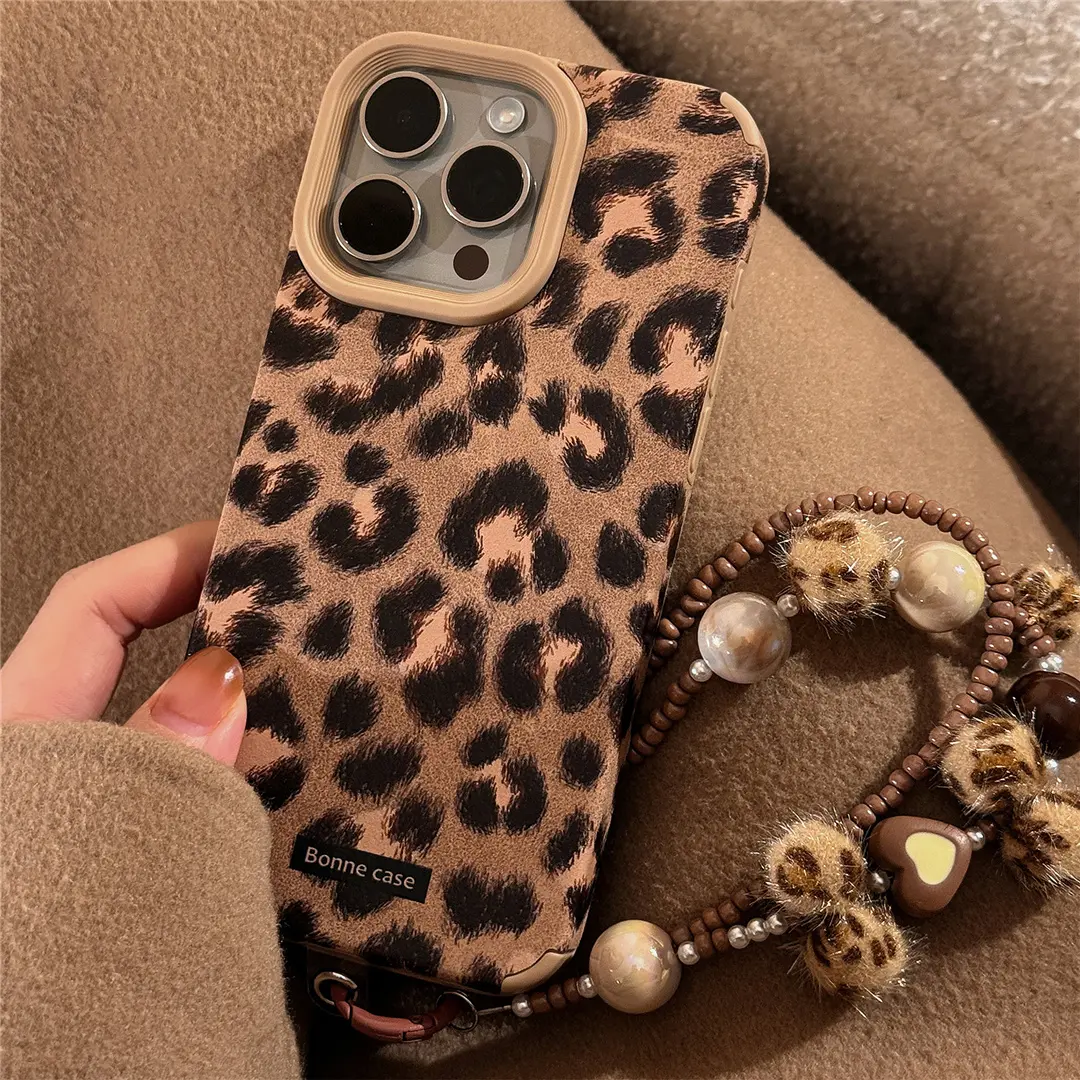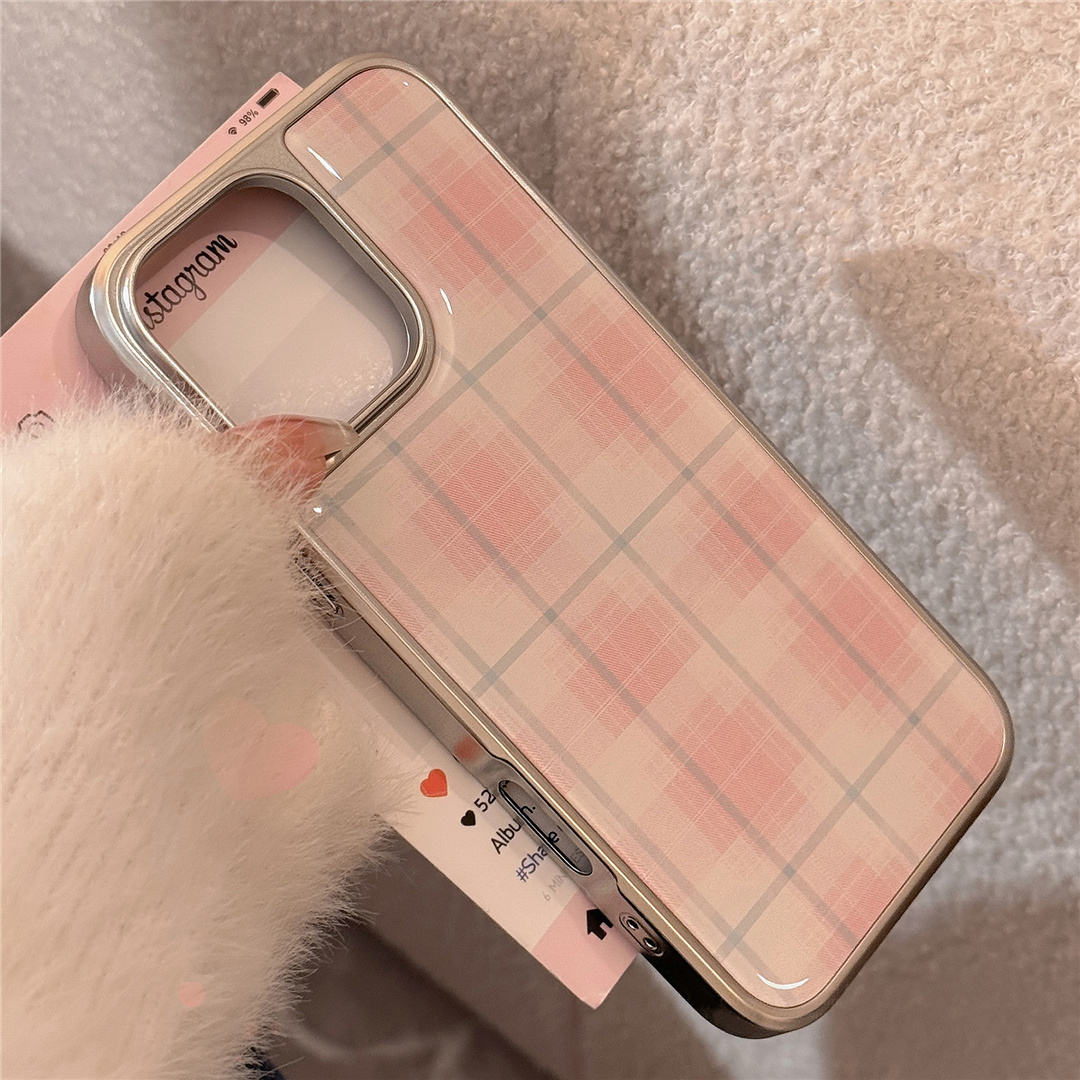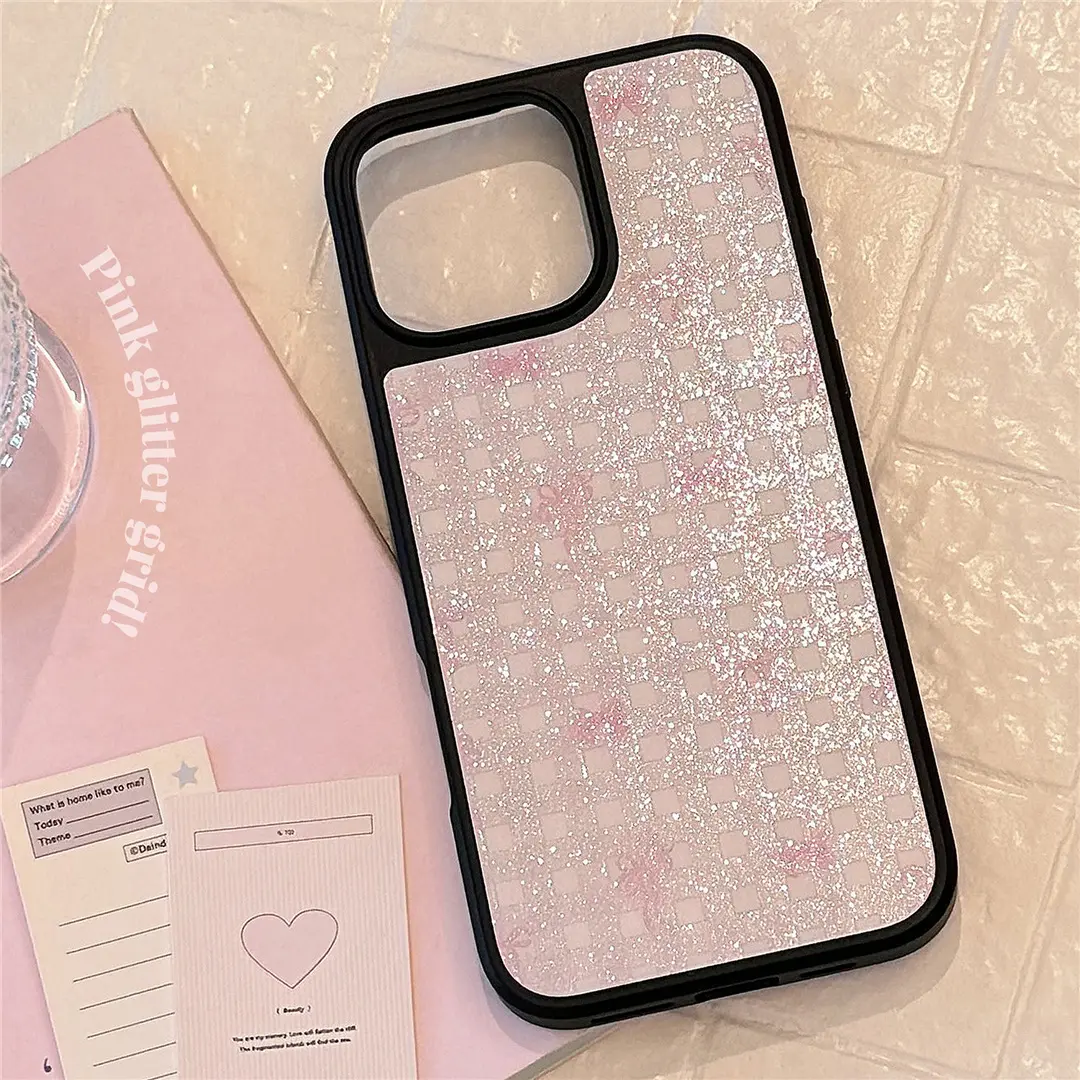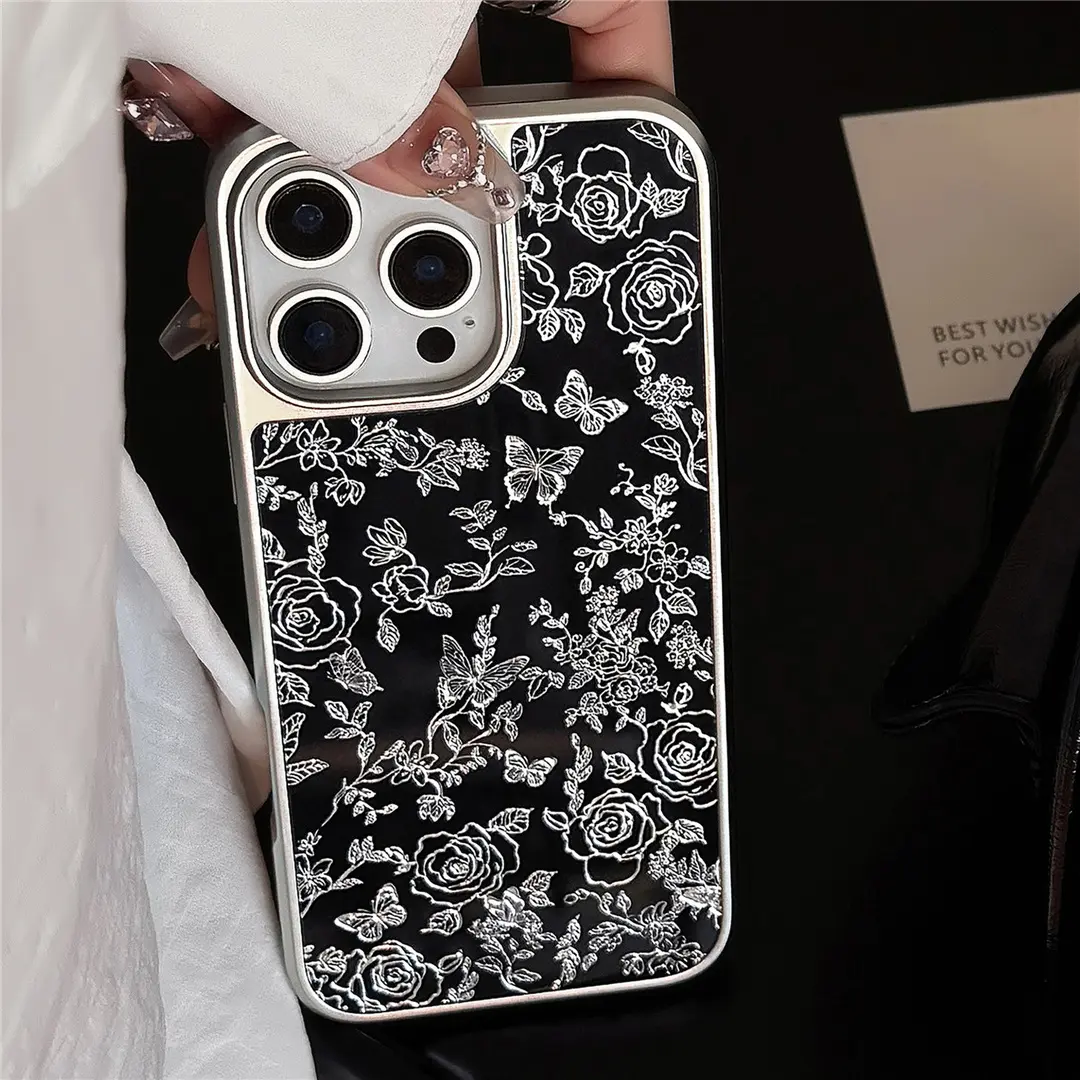
Why Are Engraved Phone Cases Popular for Global Buyers?
Engraved Phone Cases have become more than protective accessories. They now carry names, initials, dates, and small symbols linked to personal memories. A silver monogram on black leather feels different from a floral design on clear silicone. Each choice gives the buyer a visible sense of ownership.
Wes Ng, co-founder and CEO of CASETiFY, has often connected phone accessories with personal expression. He says, “Personalization is about giving people a way to express themselves.” This idea helps explain the global appeal of engraved designs. Buyers can create a case that reflects their language, family identity, profession, or travel experience. The product feels practical, but also intimate.
Durability adds another reason. A well-made engraving does not usually peel like a printed sticker. Buyers can also select materials, fonts, colors, and layouts suited to daily use. A discreet initial may fit a professional setting. A bold illustration may suit a younger customer.
Still, popularity does not guarantee quality. Some sellers offer shallow engraving, unclear previews, or weak protective edges. Buyers must examine material details, customer photos, production times, and return policies. Personalization can become disappointing when expectations remain vague.
The market is growing. Yet its real strength may be simple: a phone case becomes more meaningful when it carries something chosen, not merely purchased.
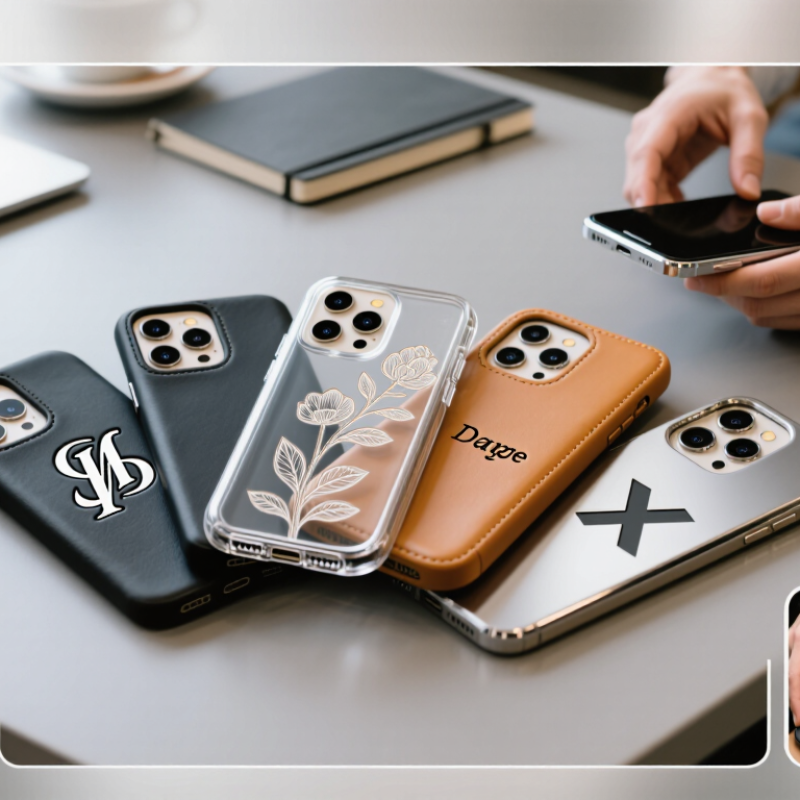
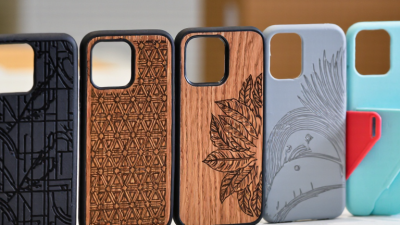
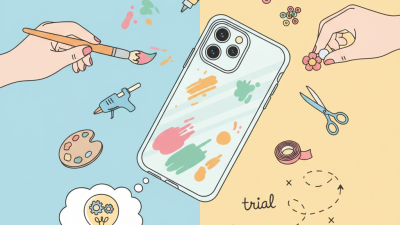
Engraved phone cases are protective covers with words, initials, dates, symbols, or small illustrations carved into their surfaces.
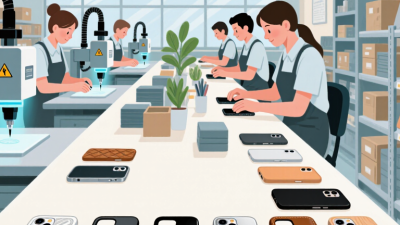
The design may be cut by laser or etched with mechanical tools. Some cases use leather, wood, metal, silicone, or hard plastic. Each material produces a different texture and visual effect.
The engraving is usually permanent, unlike printed artwork that may fade or peel. However, permanent does not mean flawless. Fine lines can appear softer on textured materials, while deep engraving may collect dust. In practical product checks, alignment matters as much as the design itself. A name placed too close to the camera opening can look careless. That detail is easy to miss.
Tips: Choose short text and clear lettering. Check the spelling twice. Ask about case material, engraving depth, and image placement before ordering. A simple design often looks more refined.
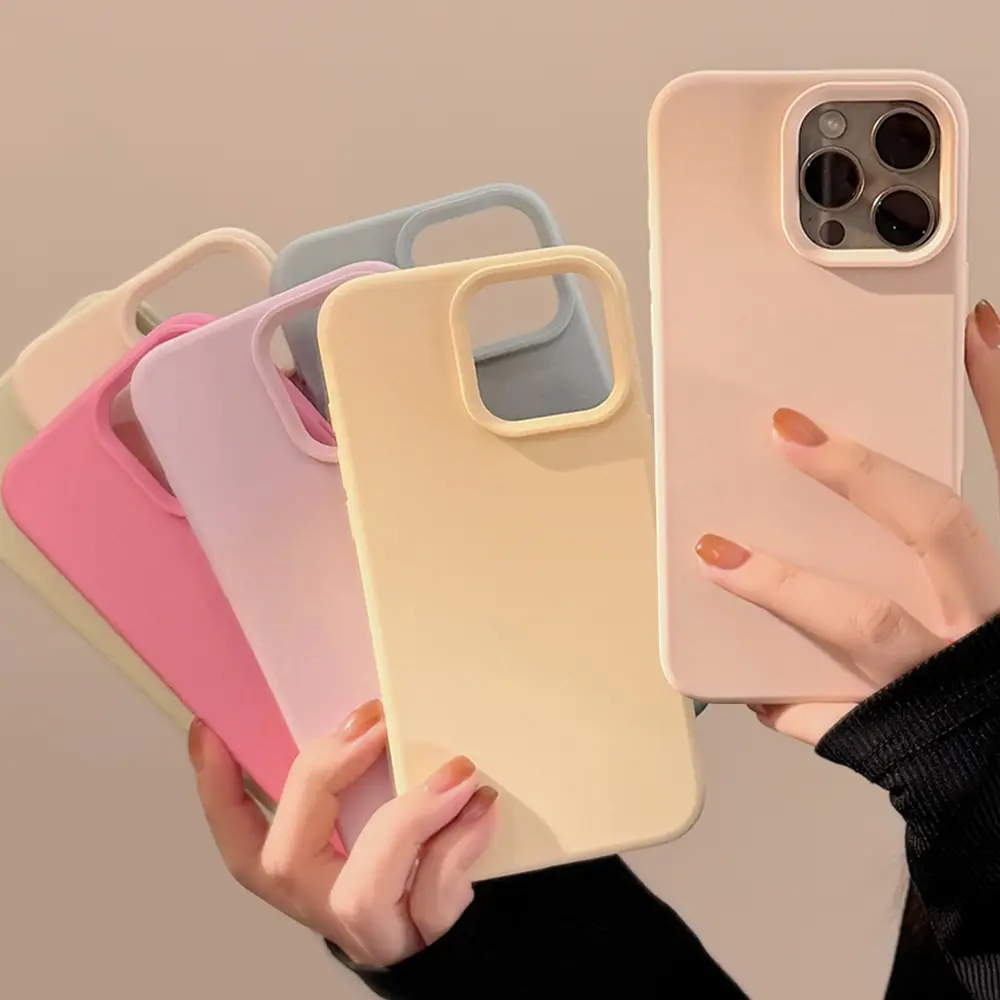
Engraved cases appeal to global buyers because they combine daily protection with personal meaning. A date can mark a milestone. Initials can make a shared gift feel private. Small symbols also help identify a phone quickly on a crowded desk.
Still, personalization is not automatically better. A complicated pattern may lose clarity after engraving, especially on a small case. Buyers should compare digital previews with the actual material and accept slight variations as part of the process.
Why Are Engraved Phone Cases Popular for Global Buyers?
Personalization turns an ordinary phone case into a small daily statement. Buyers can engrave initials, dates, short messages, or meaningful symbols. The name sits beneath the fingertips during calls, travel, and coffee breaks. McKinsey’s Next in Personalization report found that 71% of consumers expect personalized interactions. It also reported that 76% feel frustrated when personalization is missing. These figures explain why engraved cases attract attention across international online markets.
Personal meaning can also strengthen perceived value. Epsilon’s 2018 consumer study reported that 80% of consumers were more likely to purchase when brands offered personalized experiences. For phone cases, the effect feels tangible. A clean monogram may suggest ownership, while a date can preserve a memory. However, personalization is not automatically successful. Tiny text, weak contrast, or an incorrect character can ruin the experience. That risk deserves more attention.
Tips: Offer a live engraving preview, clear character limits, and accurate regional spelling options. Show the engraving beside a hand or phone for scale. Keep delivery estimates visible. Buyers dislike surprises. Test several layouts with real users, not only designers. A stylish option may still feel difficult to read. This is where product teams must remain careful, because convenience often matters more than decoration.
Evidence-based consumer signals and practical implications for personalized phone-case purchasing
| Buyer Interest Dimension | Reported Metric | What the Data Indicates | Relevance to Engraved Phone Cases | Research Coverage |
|---|---|---|---|---|
| Expectation of personalization | 71% | Consumers expect companies to deliver personalized interactions. | Buyers may view initials, names, dates, or meaningful messages as a natural part of the shopping experience rather than an optional extra. | Consumer research across multiple markets, 2021 |
| Negative response to generic experiences | 76% | Consumers report feeling frustrated when interactions are not personalized. | A customizable product can reduce the feeling of mass-market sameness and make the purchase feel more relevant to the individual. | Consumer research across multiple markets, 2021 |
| Purchase likelihood | 80% | Respondents are more likely to purchase when a personalized experience is offered. | Engraving can increase product appeal by adding visible uniqueness before checkout, especially when buyers are comparing similar case styles. | Consumer survey, United States, 2018 |
| Willingness to exchange data for value | 83% | Consumers are willing to share personal information for a more personalized experience or useful benefit. | Simple customization fields can create perceived value without requiring extensive personal data, provided the ordering process is clear and privacy-conscious. | Consumer survey across multiple countries, 2018 |
| Emotional ownership | High relevance | Personalized products are commonly associated with self-expression, gifting, and stronger emotional meaning. | Names, initials, coordinates, symbols, and important dates can turn a functional accessory into a personal keepsake or gift. | Consistent finding in personalization and gifting research |
| Gift suitability | High relevance | Personalization helps shoppers communicate thoughtfulness while keeping the product practical. | Engraved phone cases are suitable for birthdays, anniversaries, graduations, holidays, and relationship milestones. | Consumer behavior research and seasonal gift-purchase analysis |
| Perceived product differentiation | High relevance | Distinctive product details help consumers distinguish otherwise similar items in crowded online categories. | Engraving creates a visible point of difference through typography, placement, finish, and the meaning attached to the wording. | E-commerce product-choice research |
| Purchase confidence | Depends on clarity | Personalized products perform best when buyers can understand the final appearance, spelling, delivery timing, and return conditions. | Live previews, character limits, font examples, production timelines, and clear customization instructions can reduce hesitation. | Common findings from online customization studies |
Note: The percentages are reported findings from published consumer-personalization studies conducted in 2018 and 2021. They represent surveyed consumers and should not be interpreted as a universal forecast for every country, product category, or buyer segment.
Engraved phone cases appeal to global buyers because they combine protection with visible personalization. According to IDC’s Worldwide Quarterly Mobile Phone Tracker, 1.24 billion smartphones shipped globally in 2024. Grand View Research also valued the global smartphone accessories market at about USD 278.69 billion in 2023. These figures indicate strong demand for practical accessories with design value.
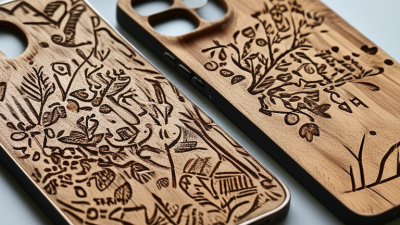
Materials determine engraving quality. Rigid polycarbonate supports crisp laser marks and resists daily impact. TPU bends easily, but excessive laser heat may leave rough edges. Aluminum feels premium and accepts precise fiber-laser engraving, especially after anodizing. Wood and bamboo create warm, natural patterns, although grain differences affect consistency. No material is perfect.
Laser engraving is widely used for fine names, symbols, and shallow textures. CO2 lasers suit wood, coated plastics, and some synthetic materials. Fiber lasers work well on aluminum and other metals. CNC engraving creates deeper, tactile grooves but usually requires more time. Ultraviolet lasers produce delicate marks with less heat on sensitive plastics. UV printing is different; it adds ink rather than removing material.
For dependable production, suppliers should test heat, abrasion, and case flexibility before approval. ISO 4892-3 supports controlled UV exposure testing, while ASTM D4060 helps evaluate surface wear. I would request a real sample, not only a digital preview. Small alignment flaws can remain. That imperfection deserves honest disclosure.
Engraved phone cases are popular because they provide personalization, gift value, tactile detail, and a more distinctive appearance than standard printed designs. The chart compares the typical wavelengths of laser systems used for different engraving applications. Wavelength values are equipment specifications, not market-share percentages.
| Case Material | Common Method | Typical Result |
|---|---|---|
| Wood | CO₂ laser engraving | Burned or darkened permanent marks |
| Leather | CO₂ laser engraving or debossing | Dark contrast or recessed texture |
| Acrylic | CO₂ laser engraving | Frosted or translucent engraved details |
| TPU and polycarbonate | UV laser marking | Fine, low-heat surface marks |
| Aluminum | Fiber laser engraving or rotary engraving | Sharp, durable metal markings |
CO₂ lasers commonly operate at 10,600 nm, fiber lasers at approximately 1,064 nm, and ultraviolet lasers at approximately 355 nm. The most suitable method depends on the case material, desired contrast, engraving depth, production volume, and heat sensitivity.
Engraved phone cases appeal to global markets because they make a common device feel personal. A name, short phrase, or meaningful date adds identity without changing the phone’s function. The GSMA Mobile Economy 2024 report estimates that 4.6 billion people used mobile internet in 2023. That huge user base creates broad demand for practical accessories with individual character.
Engraving also supports cross-border gifting. Buyers can choose initials, family names, or simple symbols that travel across cultures more easily than printed slogans. The detail is physical and tactile. It remains visible after repeated handling, unlike temporary stickers or digital decorations.
Personalization can also reduce uncertainty online. Product photos show the material, lettering depth, and finish before purchase. Clear previews matter for international buyers.
However, engraved cases are not automatically premium. Poor spacing, shallow lettering, or weak contrast can make a personalized case look careless. This is a real quality risk. Sustainable expectations matter too. The PwC Voice of the Consumer Survey 2024 found that 46% of consumers reported buying more sustainable products. Durable materials and replaceable case components may therefore strengthen appeal. Yet buyers may question whether engraving justifies a higher price. Sellers need honest images, accurate delivery estimates, and careful personalization checks. Small mistakes become more frustrating when returns cross borders.
Engraved phone cases attract global buyers because they turn a routine accessory into a personal object. Initials, dates, or short coordinates can make a plain case feel connected to a memory. IDC reported 1.24 billion smartphone shipments worldwide in 2024, a 6.2% annual increase. That expanding device base creates steady demand for protective and decorative accessories.
However, buyers should inspect the material before ordering. Polycarbonate usually resists impact, while flexible TPU can absorb drops around corners. A poorly sealed engraving may collect dust or moisture. Check whether the case supports wireless charging, camera protection, button access, and the exact phone model. Product photographs can mislead. Small text may look elegant online but become cramped on a real case. I have found that matte surfaces often show engraving more clearly than glossy finishes, although color contrast varies.
Tips: Confirm spelling, capitalization, and character limits before payment. Ask for a digital preview when available. Check production time, shipping estimates, return conditions, and import charges. The International Trade Centre’s e-commerce research emphasizes that delivery information and customer trust strongly influence cross-border purchases. Do not assume every “eco” claim means compostable; request material details. Personalization can also reduce return options, so buyers should pause before approving the final design. A beautiful case is still inconvenient if it blocks a charging cable.