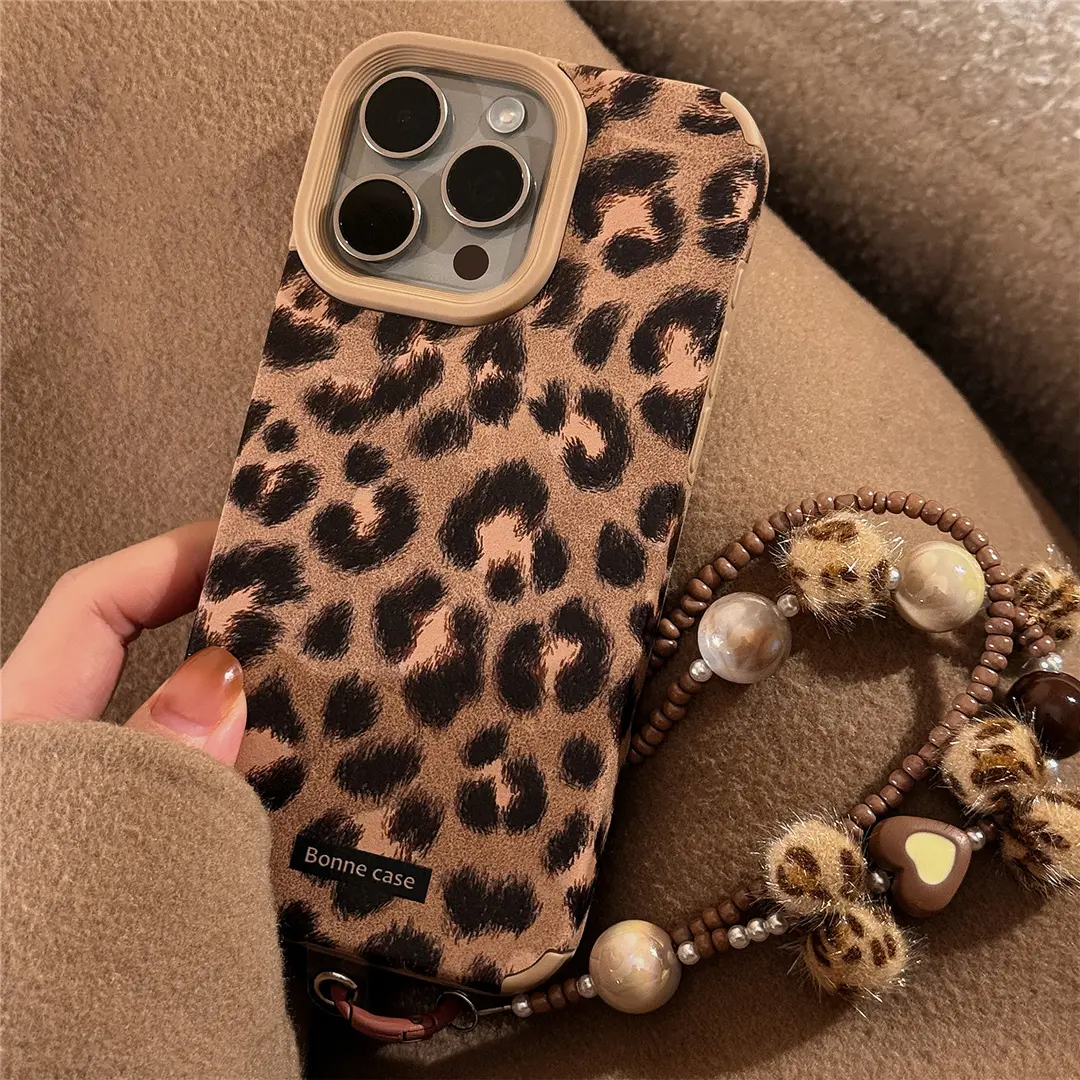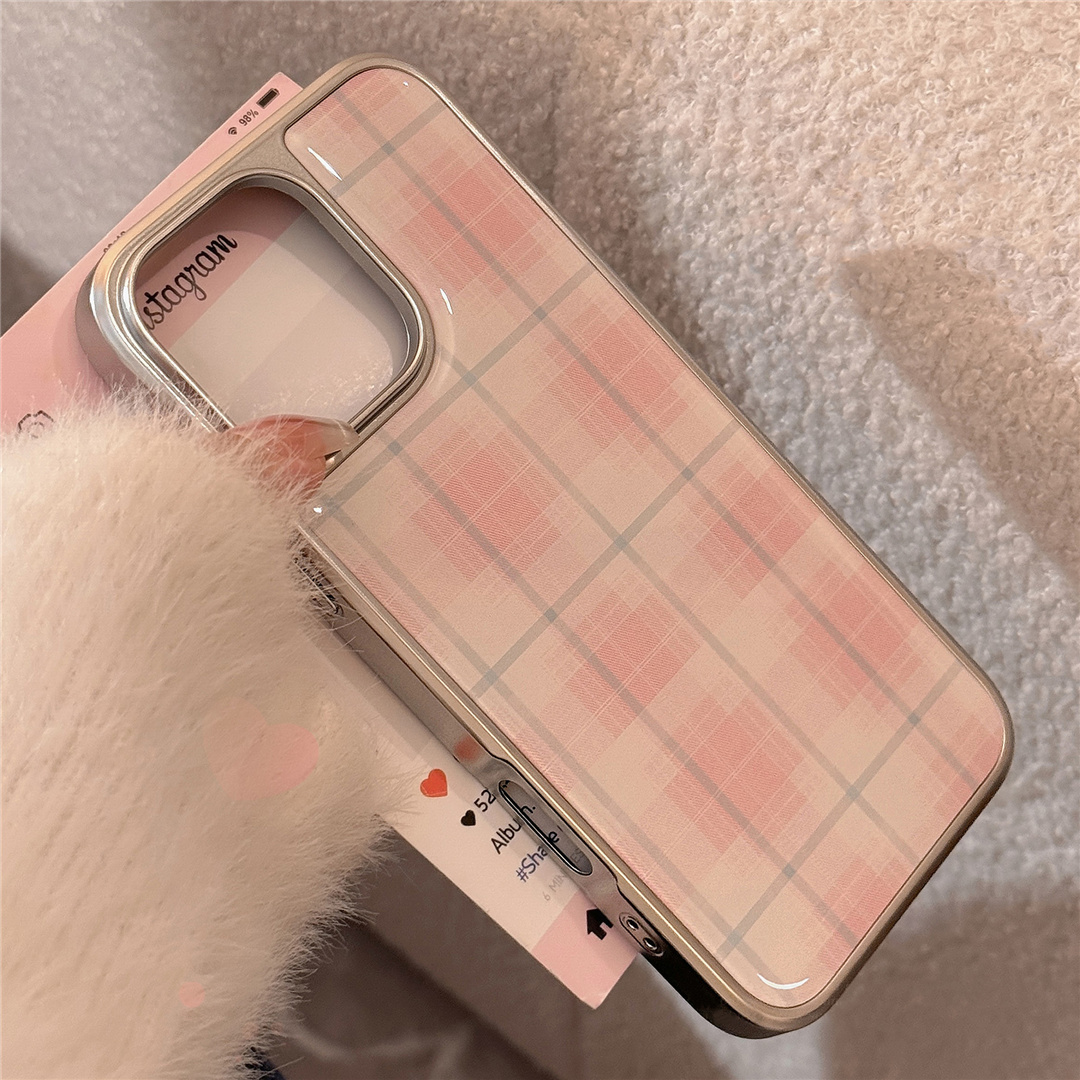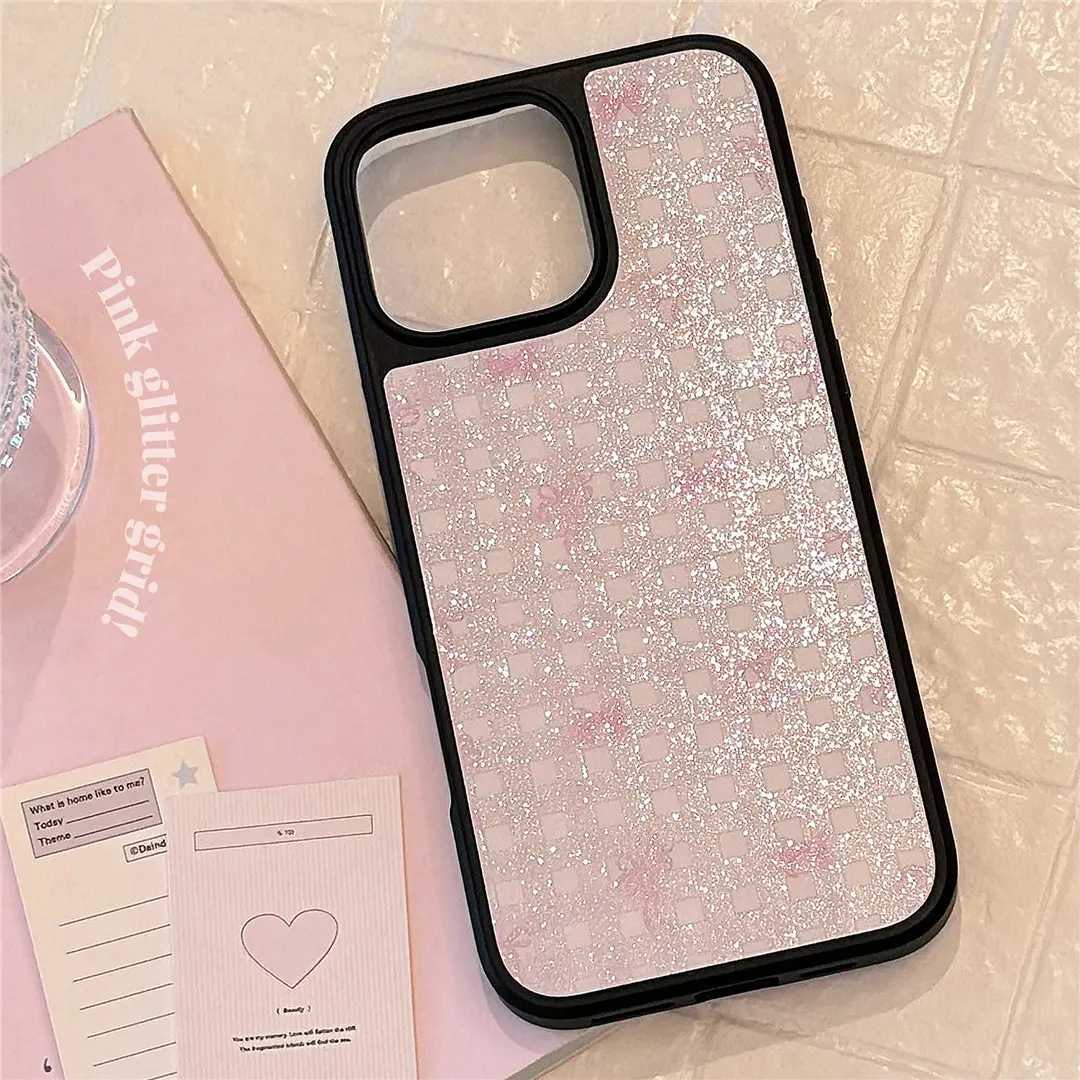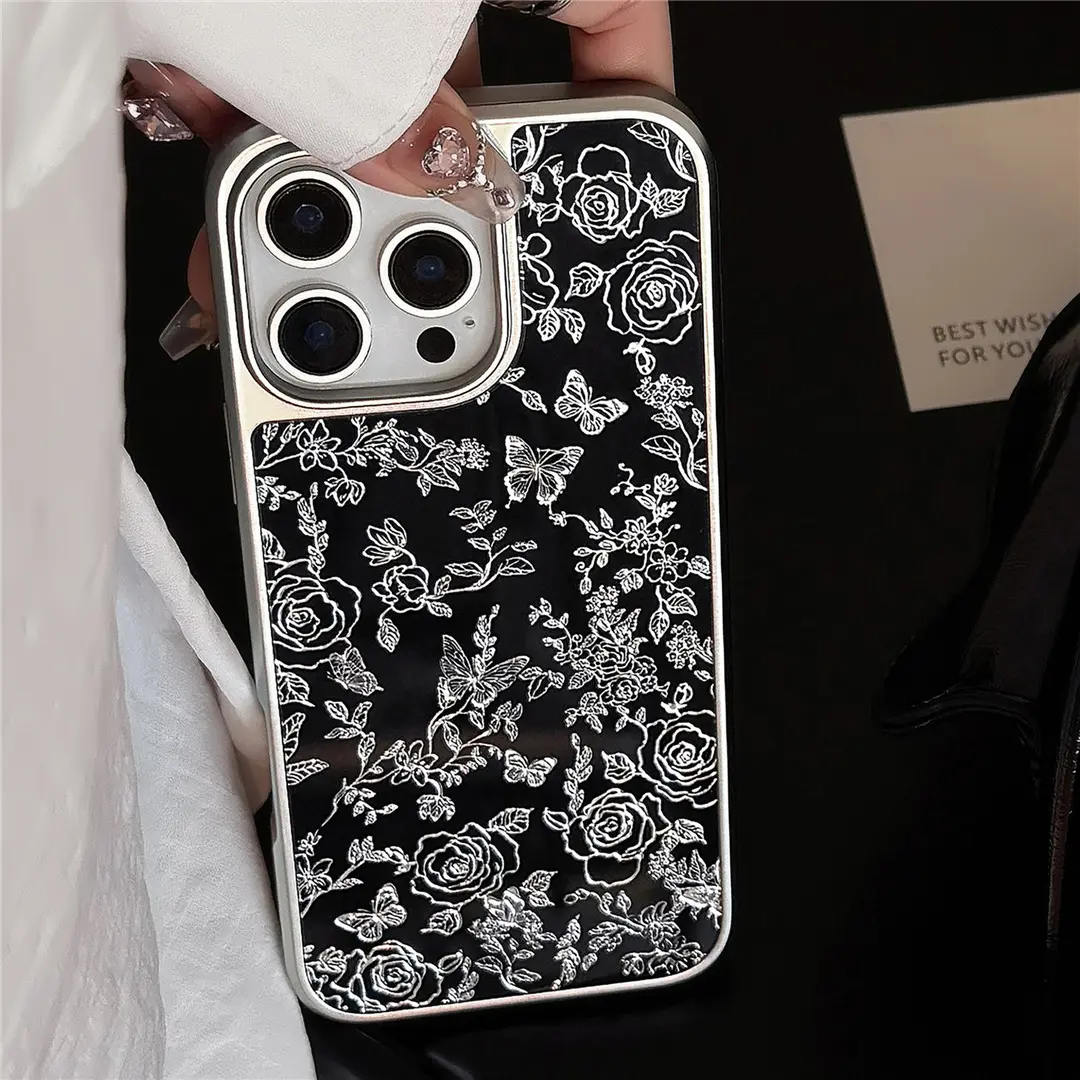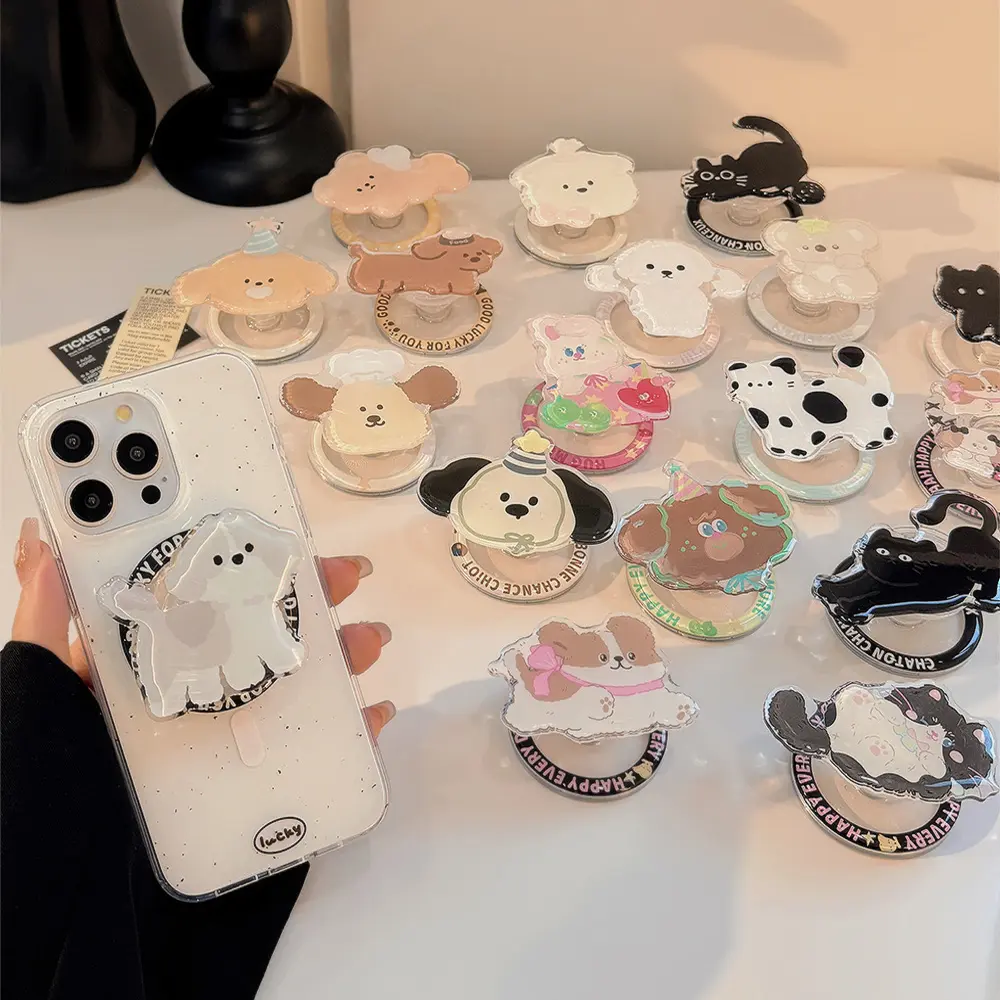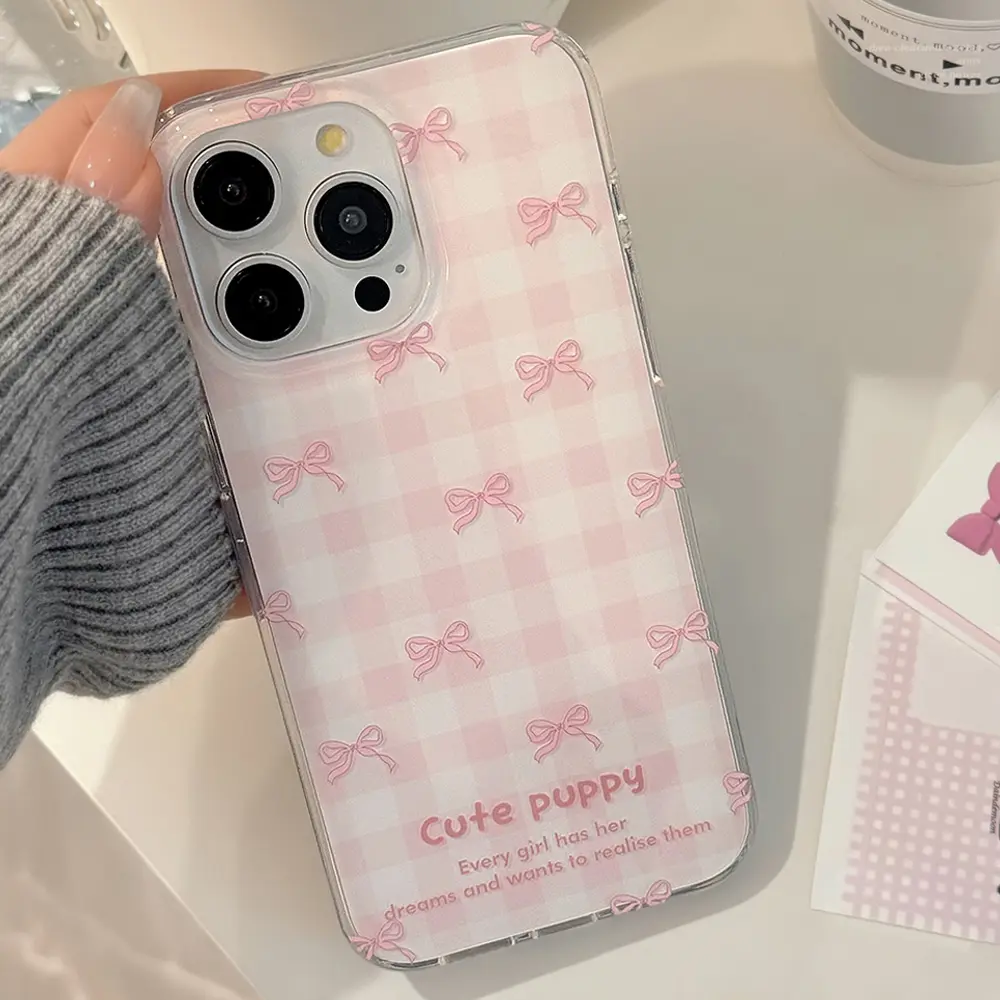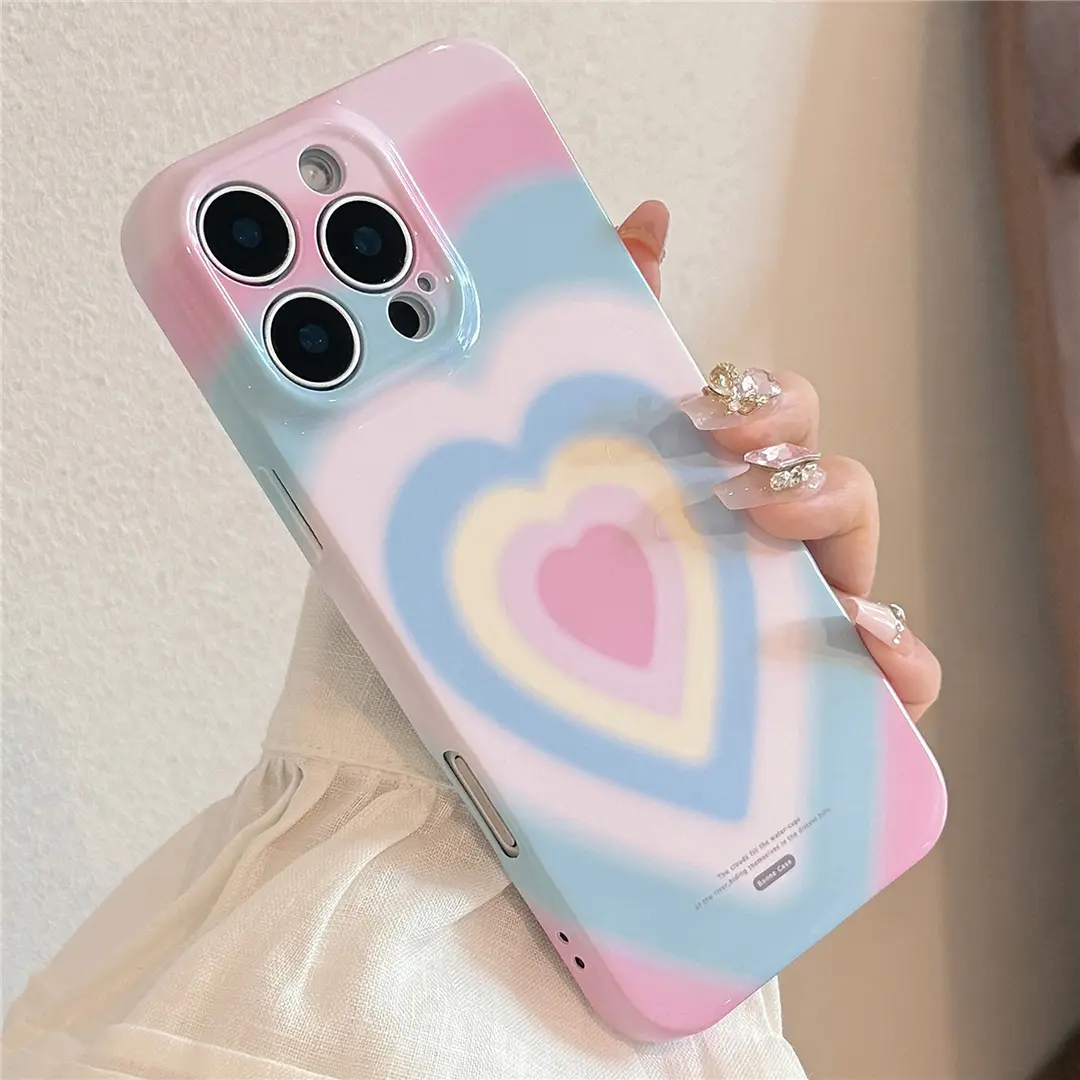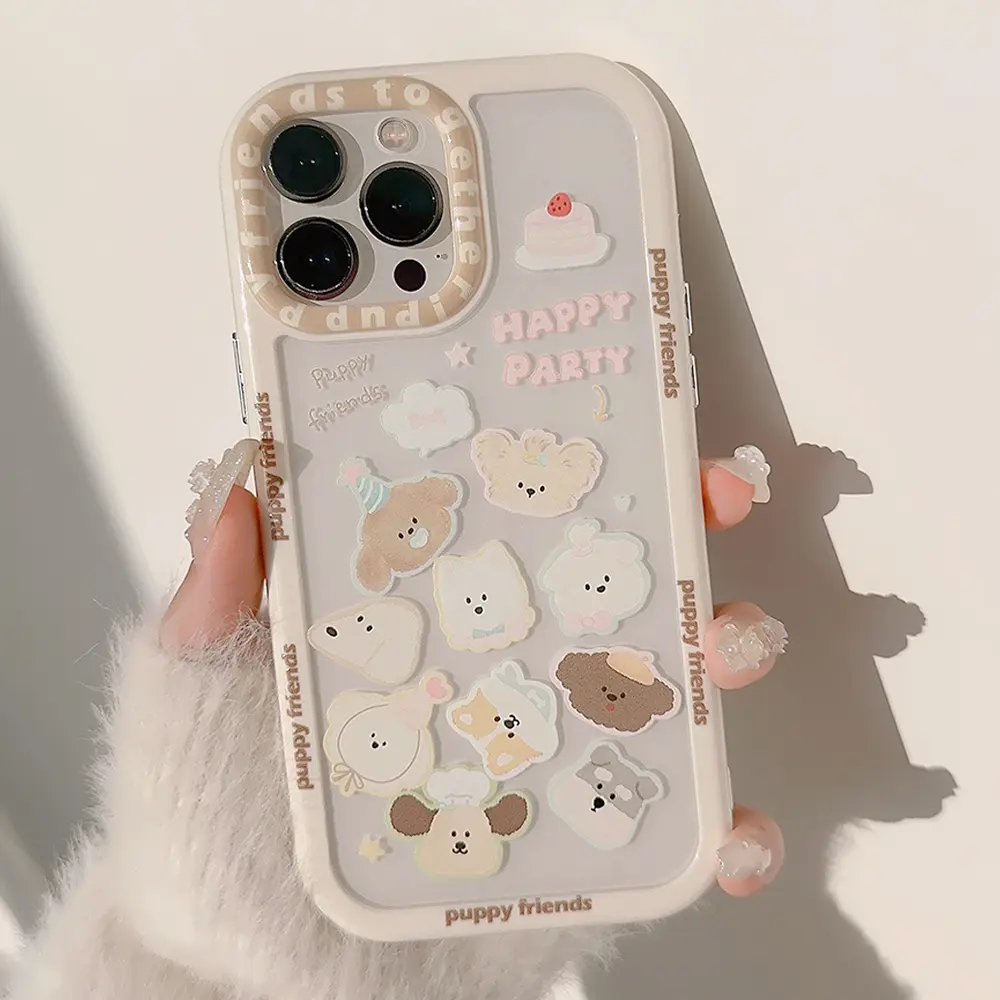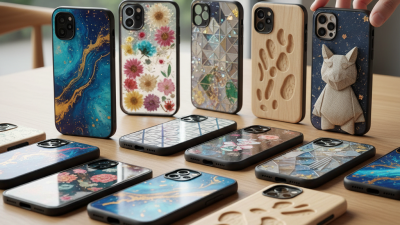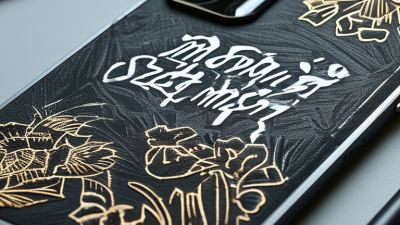
An engraved phone case turns an everyday accessory into something more personal. Instead of a plain surface, it may carry a name, date, short message, or simple symbol. The design is usually etched into materials such as leather, wood, metal, or durable plastic. Each option feels different in the hand. A wooden case may show natural grain, while a metal plate can create a sharper, more formal appearance.
Engraved Phone Cases can also provide practical value beyond decoration. A well-designed case should fit the phone securely, protect its corners, and leave clear access to buttons, cameras, and charging ports. Buyers should check the exact phone model before ordering. Small differences between models can affect alignment. Material quality matters too. Weak edges, shallow engraving, or loose fittings may reduce the case’s useful life.
There is an emotional reason to choose one. A carefully selected engraving can make a phone feel less replaceable. It may remind someone of a meaningful place, person, or milestone whenever the device is held. Still, personalization has limits. Engraving cannot repair a fragile case or guarantee protection from every drop. Some designs may fade, collect scratches, or look different from the product image. Honest product details, customer reviews, and clear care instructions help set realistic expectations. With thoughtful checking, an engraved case can combine identity, function, and lasting everyday value.
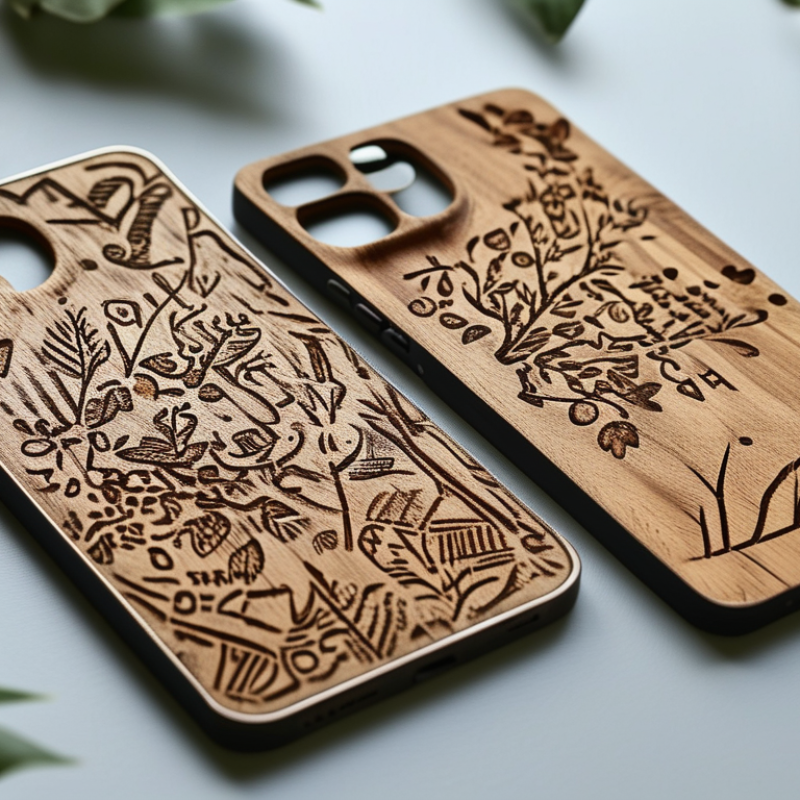
An engraved phone case is a protective cover with words, symbols, or images etched into its surface. Unlike ordinary printing, engraving removes or changes a thin layer of material. Laser marking often creates a clean, permanent design on plastic, leather, wood, or metal. You can feel the shallow lines with a fingertip. That small texture makes the case feel more personal and less disposable.
Personalization is not a minor buying factor. Epsilon’s 2018 “The Power of Me” report found that 80% of consumers were more likely to purchase when brands offered personalized experiences. A phone case fits this habit because people carry it daily. Initials, a short date, or a simple line drawing can turn a common accessory into a useful keepsake. However, engraving is not always perfect. Fine letters may blur on textured materials, and a tiny spelling mistake can remain visible for years. That risk deserves attention.
Tips: Choose a case with precise camera and button openings. Ask about engraving depth and material testing. Keep the wording short; small text can lose clarity. Check the phone model carefully before ordering. The case should also support wireless charging if you use it. A beautiful design is not enough when the edges feel sharp, the fit is loose, or the engraving fades through heavy daily friction.
An engraved phone case has a text, symbol, or artwork permanently etched or marked into its surface. The material can affect the engraving result, weight, and overall feel.
The chart compares typical material densities used in phone cases. TPU and polycarbonate are lightweight plastics, aluminum is substantially denser, and leather is generally lightweight. Buyers choose engraving for durable personalization, easier identification, and a more distinctive gift or everyday accessory.
An engraved phone case begins with a digital drawing, not a machine. The maker checks the phone model, camera opening, button clearance, and case material. Polycarbonate and aluminum accept crisp marks, while soft TPU may melt or blur under excess heat. A small sample is engraved first. This step feels ordinary, but it prevents expensive mistakes.
Most workshops use a CO2 or fiber laser, depending on the surface. The beam removes a controlled layer or changes the finish through heat. Operators adjust power, speed, focus, and line spacing in design software. On wood, the result may be a warm brown groove. On coated plastic, it can reveal a contrasting layer underneath. After engraving, workers remove residue and inspect the edges. They also test the camera opening, charging port, and button response. The process is repeatable, though not perfectly uniform. Grain, coating thickness, and tiny device tolerances can change the final appearance.
Demand makes this process commercially relevant. IDC recorded 1.23 billion smartphone shipments worldwide in 2024, creating a large replacement-accessory base. Grand View Research valued the personalized gifts market at 28.57 billion dollars in 2023 and forecasts a 9.5% CAGR through 2030. These figures do not measure engraved cases alone, so treating them as direct case sales would be misleading. That distinction matters. Fine lettering can disappear after repeated rubbing, especially near corners. A case can look attractive and still need improvement.
An engraved phone case combines everyday protection with a permanent personal detail. Names, dates, initials, coordinates, and simple line art are common choices. Minimal designs usually remain readable after months of handling. In practical use, the case should protect corners, maintain camera clearance, and support comfortable charging. It feels personal.
Several materials are available. Polycarbonate provides a firm, smooth surface for sharp laser marks. Thermoplastic polyurethane adds flexible edges and better grip. Silicone feels softer but may collect dust around the engraving. Wood offers visible grain, while leather creates a warmer, more refined texture. Recycled plastic can reduce reliance on new materials, but quality varies. Materials behave differently. Engraving depth, heat, and coating affect the final appearance.
Design choices range from small initials to full illustrated panels. A shallow engraving suits understated cases, while deeper cuts create stronger contrast.
Grand View Research’s Smartphone Accessories Market report projects continued market growth through 2030, reflecting sustained interest in protective and personalized accessories. However, that broad category includes many products, not engraved cases alone.
Circle Economy’s Circularity Gap Report 2024 reported that only 7.2% of the global economy was circular. Therefore, recycled-content claims deserve careful checking. Look for clear material information and care instructions.
I would not promise that every engraving stays perfect. Repeated friction, moisture, and pocket dust can soften fine details. A good design leaves breathing room around text. Thin lettering can disappoint.
What Is an Engraved Phone Case and Why Buy One?
An engraved phone case combines daily protection with a personal design. Instead of a printed image, its pattern is carved or etched into the surface. This creates a tactile detail you can feel near the edges or across a small message. Many people choose initials, dates, coordinates, or simple line art. The best choice depends on your phone model, grip preferences, and lifestyle.
Why Choose an Engraved Phone Case?
An engraved case can feel more meaningful than a plain cover. It may remind you of a person, place, or important milestone whenever you pick up your phone. Engraving also avoids the raised decorations that can catch on pockets. However, it is not automatically better. Deep designs may collect dust, while delicate surfaces can show wear over time. I would check the material, engraving depth, corner protection, and button access before ordering. Small details matter.
Tips: Choose a readable design with clean spacing. Confirm exact model compatibility. Test the text length before engraving. If you carry keys nearby, select a scratch-resistant finish. Clean the case with a soft, slightly damp cloth. Avoid harsh chemicals, even when the surface looks durable. A thoughtful design usually ages better than a crowded one.
What Is an Engraved Phone Case and Why Buy One?
An engraved phone case adds a name, date, symbol, or short message to its surface. Selecting one requires more than choosing attractive lettering. Start with accurate phone compatibility. Check the model number, camera opening, button coverage, charging port, and wireless charging support. GSMA’s Mobile Economy 2024 reports that 4.7 billion people used mobile internet in 2023. That makes reliable daily protection increasingly important. Choose impact-resistant materials with a firm edge around the screen. For coated plastic or leather, deep engraving may expose a different layer. Ask the seller about engraving depth and color stability. Text should remain readable without weakening the case. Small details matter.
Care starts with simple habits. Wipe the case weekly using a soft, slightly damp cloth. Avoid alcohol, bleach, abrasive powders, and prolonged sunlight. These can fade finishes or dry natural materials. Do not soak the case. Remove it occasionally and clean dust around the phone’s corners. A small confession: I once ignored that dust, and it left fine marks near the frame. Inspect the engraving after drops or heat exposure. If the case bends, cracks, or blocks a port, replace it. The UN-backed Global E-waste Monitor 2024 recorded 62 million tonnes of electronic waste in 2022, with only 22.3% formally collected and recycled. A durable case may extend useful life, but it still needs responsible disposal when its material allows it.
| Data Dimension | Typical Information | Why It Matters | Selection or Care Guidance |
|---|---|---|---|
| Definition | A phone case featuring a design, name, initials, date, symbol, or message permanently applied to its surface. | It combines everyday phone protection with personal decoration or identification. | Confirm what can be engraved, including character limits, punctuation, symbols, and layout options. |
| Common Case Materials | Polycarbonate, TPU, silicone, leather, wood, aluminum, and combinations of these materials. | Material affects impact resistance, flexibility, grip, weight, appearance, and engraving results. | Choose a flexible edge for easier installation and raised bezels to help protect the screen and camera lenses. |
| Engraving Methods | Laser engraving, mechanical engraving, debossing, printing, or chemical etching. | The method influences texture, contrast, precision, resistance to fading, and suitability for each material. | For long-term durability, prefer a method designed for the selected material rather than surface printing alone. |
| Personalization Options | Names, initials, dates, short quotations, coordinates, monograms, icons, and simple line artwork. | Personal details can make the case easier to identify and suitable for gifts or special occasions. | Use concise text and check spelling carefully because personalized products may have limited return options. |
| Phone Compatibility | Compatibility depends on the exact phone model, generation, camera arrangement, and button placement. | A case made for a similar-looking model may not fit correctly or align with ports and cameras. | Verify the exact model name and screen size before ordering; do not rely only on appearance. |
| Protection Features | Shock-absorbing edges, reinforced corners, raised camera rings, raised screen lips, and secure button covers. | These features help reduce damage from everyday drops, scratches, and contact with flat surfaces. | Check whether the case offers edge coverage and whether the camera opening leaves the lenses exposed. |
| Wireless Charging | Many slim cases support wireless charging, while thick, metal, or accessory-heavy cases may reduce compatibility. | Case thickness and materials can affect charging speed, alignment, and heat management. | If wireless charging is important, select a case specifically described as compatible and remove metal attachments when necessary. |
| Durability Factors | Exposure to friction, sunlight, moisture, heat, chemicals, and repeated bending can affect the case and engraving. | Durability is influenced by both the case material and the way the design is applied. | Avoid prolonged direct sunlight, excessive heat, sharp objects, and contact with solvents or abrasive cleaners. |
| Cleaning Method | A soft, slightly damp microfiber cloth is generally suitable for routine cleaning. | Gentle cleaning removes oils and dust without unnecessarily wearing down the surface finish. | Remove the phone, wipe gently, and allow the case to dry completely before reinstalling it. |
| Products to Avoid | Bleach, strong solvents, abrasive powders, rough brushes, and excessive alcohol-based products may damage some finishes. | Harsh substances can discolor materials, soften coatings, or reduce the contrast of the engraving. | Test any approved cleaning solution on a small, hidden area first and follow the material-specific instructions. |
| Best Use Cases | Personal use, gifts, commemorations, employee identification, travel organization, and matching accessories. | The personalized design can add sentimental value and make a commonly misplaced item more recognizable. | Select a timeless design if the case is intended for long-term use rather than a short seasonal trend. |
| Pre-Order Checklist | Phone model, case material, engraving position, text accuracy, protection level, charging needs, and care requirements. | Reviewing these factors helps prevent fit problems, unreadable designs, and unsuitable material choices. | Check the product dimensions, personalization preview, processing details, and return policy before purchase. |