China Top Frosted Phone Case Suppliers for Global Buyers
China has become a major sourcing hub for mobile accessories, including the Frosted Phone Case. Global buyers often choose Chinese suppliers for flexible production, competitive pricing, and broad material options. These options may include TPU, polycarbonate, recycled blends, and soft-touch coatings. The right supplier can support private labeling, custom colors, camera protection, and precise device fitting.
However, supplier selection requires more than reviewing attractive product photos. Experienced buyers usually request samples, factory details, material specifications, and recent quality records. Details matter. A reliable supplier should explain coating durability, printing methods, packaging standards, and production lead times clearly. Buyers should also confirm whether the case fits the intended phone model without blocking buttons, microphones, wireless charging, or camera lenses.
Factory experience can reduce common problems, such as uneven frosting, loose edges, strong odors, or scratched surfaces after shipping. Yet no supplier is perfect. Samples can disappoint. A promising quotation may still hide limited inspection procedures or inconsistent color control. For this reason, buyers should compare several China-based manufacturers and test products under realistic handling conditions. Checking business credentials, communication quality, export experience, and independent inspection options can improve purchasing confidence.
This guide introduces leading China Frosted Phone Case suppliers for global buyers. It focuses on product quality, customization, manufacturing capability, minimum order quantities, and service reliability. The goal is practical comparison, not exaggerated promotion. Supplier information can change, so buyers should verify current certificates, factory capacity, and commercial terms before placing an order.
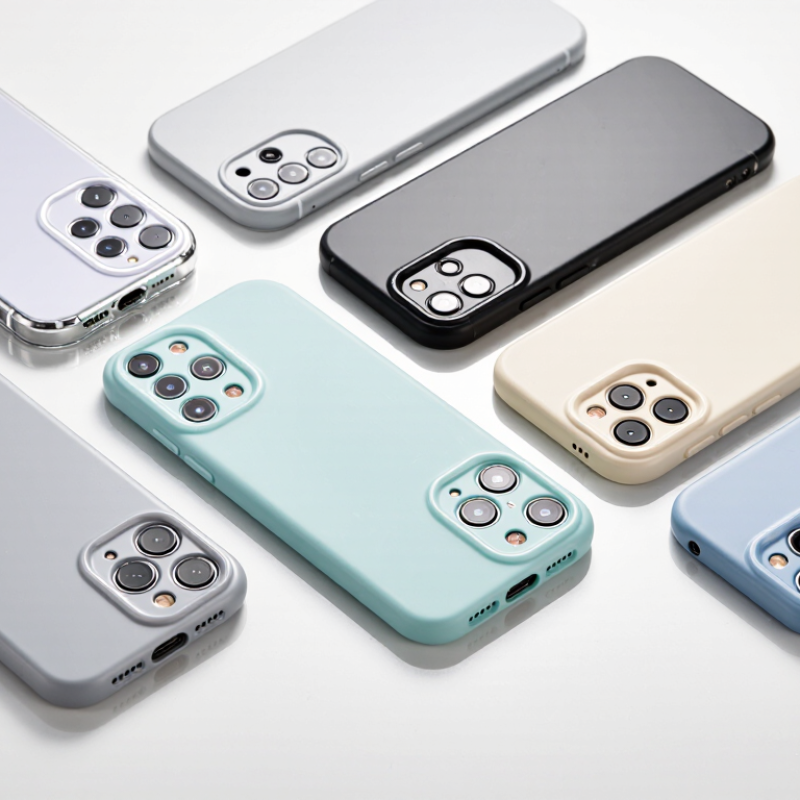
Global Demand Baseline: 1.17 Billion Smartphones Shipped in 2023 (IDC)
China’s frosted phone case suppliers serve a vast replacement market. IDC’s Worldwide Quarterly Mobile Phone Tracker recorded 1.17 billion smartphone shipments globally in 2023. Each shipment represents a potential case sale, but not every device needs the same protection.
Demand is broad. Buyers often need matte finishes, accurate camera cutouts, anti-yellowing materials, and stable color batches. Frosted surfaces also reduce fingerprints during daily use. Small details matter. A case that feels slippery may generate returns, even when its measurements are correct. Professional sourcing teams should request material specifications, production samples, and abrasion-test results before placing volume orders. They should also confirm packaging dimensions, carton weight, and replenishment capacity.
Counterpoint Research’s global smartphone analysis shows continued pressure on suppliers to support many device sizes and price segments. That creates operational risk for importers. Too many low-volume models can increase inventory costs. A better approach uses sales data, regional demand, and flexible minimum order quantities. Suppliers with documented quality procedures are easier to audit and manage. Request batch photos, inspection records, and clear tolerance limits. Do not rely on surface appearance alone. A sample may look excellent under showroom lighting, yet show uneven frosting after repeated handling. That imperfect detail deserves attention.
Frosted Case Materials: TPU, PC, and Surface-Friction Performance
For global buyers, frosted phone cases depend on material choice more than appearance. Thermoplastic polyurethane, or TPU, bends around curved edges and absorbs handling shocks. Polycarbonate, or PC, provides higher rigidity and dimensional stability. A hybrid structure can balance both, but it may create uneven stress at the corners.
Surface friction affects real use.
A low-friction case can slide from a desk with a slight vibration. A high-friction finish feels safer, yet it may collect dust and resist pocket removal. ASTM D1894 evaluates static and kinetic friction for plastic films, while ISO 8295 provides related friction-testing guidance. These methods do not perfectly represent a textured phone case. That limitation matters.
Market reports also show strong demand for mobile-device protection. Grand View Research estimated the mobile phone protective cases market at over USD 20 billion in 2023, with continued growth projected through 2030. However, market size does not prove material quality. Suppliers should request friction results, abrasion data, yellowing tests, and thickness records. Testing at 23°C may not reflect a hot vehicle interior. That is an easy mistake.
In practical sampling, PC often feels crisp and dry, while TPU feels softer and more grippy. Frosting can hide fingerprints, but aggressive texturing may reduce clarity around buttons. Buyers should compare new samples with worn samples. The first impression can be misleading.
China Supplier Models: OEM, ODM, and Wholesale MOQ Comparisons
For global buyers, frosted phone cases require more than an attractive surface. A reliable China supplier should explain material grade, mold ownership, printing limits, and production tolerances. In supplier evaluations, I check whether the case feels dry rather than chalky. I also inspect camera edges, button openings, and packaging protection. Small details matter.
OEM suits buyers with finished drawings, logos, and packaging instructions. The factory produces according to those specifications. OEM MOQs often begin around 500 to 3,000 pieces, depending on molds and colors. ODM uses an existing design with adjusted colors, textures, or packaging. It usually reduces development time and tooling costs. MOQs may start near 200 to 1,000 pieces. Wholesale is simpler. Buyers select ready-made models, often with MOQs between 50 and 500 pieces. These figures vary by material, model range, and customization level.
Ask for physical samples before confirming any order. Test grip, yellowing resistance, wireless charging fit, and drop protection. Request a written sample approval process. A dependable supplier should provide inspection records and carton details. Still, no factory performs perfectly every time. Color matching can drift between production batches. I have also seen buyers accept the lowest MOQ, then face higher unit costs and weaker packaging. Clarify revision charges, replacement terms, and lead times before payment. Leave room for correction.
Supplier Verification: ISO 9001, RoHS, REACH, and BSCI Documentation
For global buyers, a frosted phone case supplier should provide more than a polished sample. ISO’s 2022 Survey recorded over 1.2 million ISO 9001 certificates worldwide, but certification alone does not prove product consistency. Request the certificate number, factory address, scope, and expiry date. The scope should cover phone case production, not an unrelated activity. Ask for batch-based inspection records, coating specifications, and traceability from resin to finished case.
RoHS documentation should identify restricted substances in plastics, pigments, adhesives, and metal parts. REACH evidence should include a current SVHC declaration and laboratory testing where risk is higher. Testing must match the actual frosted material, not only a similar model. BSCI also needs careful reading. It is a social compliance assessment, not a universal product certificate. Check the audit date, site name, findings, corrective actions, and worker interview coverage. The Global E-waste Monitor 2024 reported 62 million tonnes of electronic waste in 2022, with 82 million tonnes projected by 2030. Material transparency matters. In practice, I have seen impressive files hide weak batch control. Paperwork is not proof. A supplier may hold valid certificates while changing coating formulas or subcontracting production. Keep samples, test reports, and shipment records together, then recheck them when the formula, factory, or packaging changes.
China Frosted Phone Case Supplier Verification Frameworks
The chart shows the reference year of the currently recognized editions or legal frameworks commonly reviewed during global supplier verification. ISO 9001 focuses on quality management, RoHS on restricted substances, REACH on chemicals and SVHC obligations, and amfori BSCI on social-compliance auditing. These years identify the framework or edition reference, not supplier performance or certification status.
Buyer Scorecard: MOQ, Lead Time, Defect Rates, and Incoterms (Incoterms 2020)
China Top Frosted Phone Case Suppliers for Global Buyers
A practical buyer scorecard should begin with measurable production limits. Record the minimum order quantity for each model, color, and finish. A supplier may quote 500 pieces, but mixed designs can raise the real MOQ. Ask for a written breakdown before sampling. Lead time should separate sample approval, material preparation, production, and packing. For frosted cases, allow extra time for surface testing. Two to four weeks may be realistic after approval, but capacity changes during peak seasons.
Defect rates need clear definitions. Request recent inspection records, not only verbal promises. Check haze consistency, camera-hole alignment, button fit, edge marks, and packaging damage. A trial order can reveal problems hidden by polished samples. Set an agreed acceptable quality limit and identify critical defects separately. For example, a loose button opening should not receive the same tolerance as a tiny cosmetic mark. Keep photos from pre-shipment inspections.
Incoterms 2020 can change the final cost sharply. FCA may offer better control over the main shipment, while FOB suits certain sea freight arrangements. EXW can leave buyers handling export procedures and local charges. DDP appears simple, but confirm who manages customs, taxes, and delivery records. Ask for a commercial invoice, packing list, and responsibility matrix. No scorecard is perfect. Forecasts can fail, and a low defect rate from one batch may not repeat. Recheck quality after every material or mold change. Start small. Then scale carefully.
China Top Frosted Phone Case Suppliers for Global Buyers - Buyer Scorecard: MOQ, Lead Time, Defect Rates, and Incoterms (Incoterms 2020)
Anonymized buyer comparison of typical frosted phone-case supplier capabilities and commercial terms
| Supplier Profile |
Primary Product Capability |
Typical MOQ |
Sample Lead Time |
Bulk Lead Time |
Indicative Defect Rate |
Customization Support |
Common Incoterms 2020 |
Payment Terms |
Buyer Score |
| Profile A – High-Volume OEM |
Frosted TPU and PC cases; multi-model production; logo and retail packaging |
1,000 units per model/color |
5–7 business days |
20–30 business days |
0.8–1.5% after final inspection |
High; mold adjustment, color matching, insert cards, barcode labels |
FOB, FCA, CIF, DAP |
30% deposit; 70% before shipment |
4.6 / 5.0 |
| Profile B – Flexible Mid-Size Factory |
Matte-frosted TPU, hybrid PC-TPU, MagSafe-compatible options |
300 units per model/color |
7–10 business days |
18–25 business days |
1.0–2.0% after final inspection |
High; low-volume customization and mixed-model orders |
EXW, FCA, FOB, DDP |
30% deposit; balance against inspection or shipping documents |
4.4 / 5.0 |
| Profile C – Private-Label Specialist |
Frosted clear cases, custom colors, branded packaging, retail-ready sets |
500 units per design |
6–9 business days |
25–35 business days |
1.2–2.2% after final inspection |
Very high; packaging development and artwork review included |
FOB, CIF, DAP |
30% deposit; 70% before dispatch |
4.3 / 5.0 |
| Profile D – Small-Batch Exporter |
Standard frosted TPU and silicone cases; limited color range |
100–200 units per model/color |
3–5 business days from available stock |
12–20 business days |
1.8–3.0% after final inspection |
Moderate; logo printing and simple packaging only |
EXW, FCA, DAP |
Full payment for small orders; 30% deposit for repeat orders |
4.0 / 5.0 |
| Profile E – Premium Protective Case Factory |
Frosted cases with raised bezels, camera protection, shock-absorbing edges |
1,500 units per model/color |
8–12 business days |
30–40 business days |
0.7–1.4% after final inspection |
High; engineering samples and drop-test documentation available |
FOB, FCA, CIF |
30% deposit; 70% after pre-shipment inspection |
4.5 / 5.0 |
| Profile F – Fast-Replenishment Supplier |
In-stock frosted TPU cases for popular phone models |
50–100 units per model |
1–3 business days from stock |
10–15 business days for repeat orders |
2.0–3.5% after final inspection |
Low to moderate; basic logo and neutral packaging |
EXW, FCA, DDP |
Payment before shipment for stock orders |
3.9 / 5.0 |
Assessment notes: MOQ and lead-time figures are typical purchasing benchmarks for anonymized supplier profiles, not guarantees for a particular factory. Defect rates should be confirmed through an agreed AQL inspection plan, approved golden samples, and pre-shipment inspection. Under Incoterms 2020, buyers should confirm the named place, insurance responsibility, customs clearance obligations, and whether duties and taxes are included.
Recommended buyer checks: material composition, yellowing resistance, coating adhesion, button fit, camera cutout accuracy, drop-test performance, packaging compliance, factory audit results, and documented corrective-action procedures.

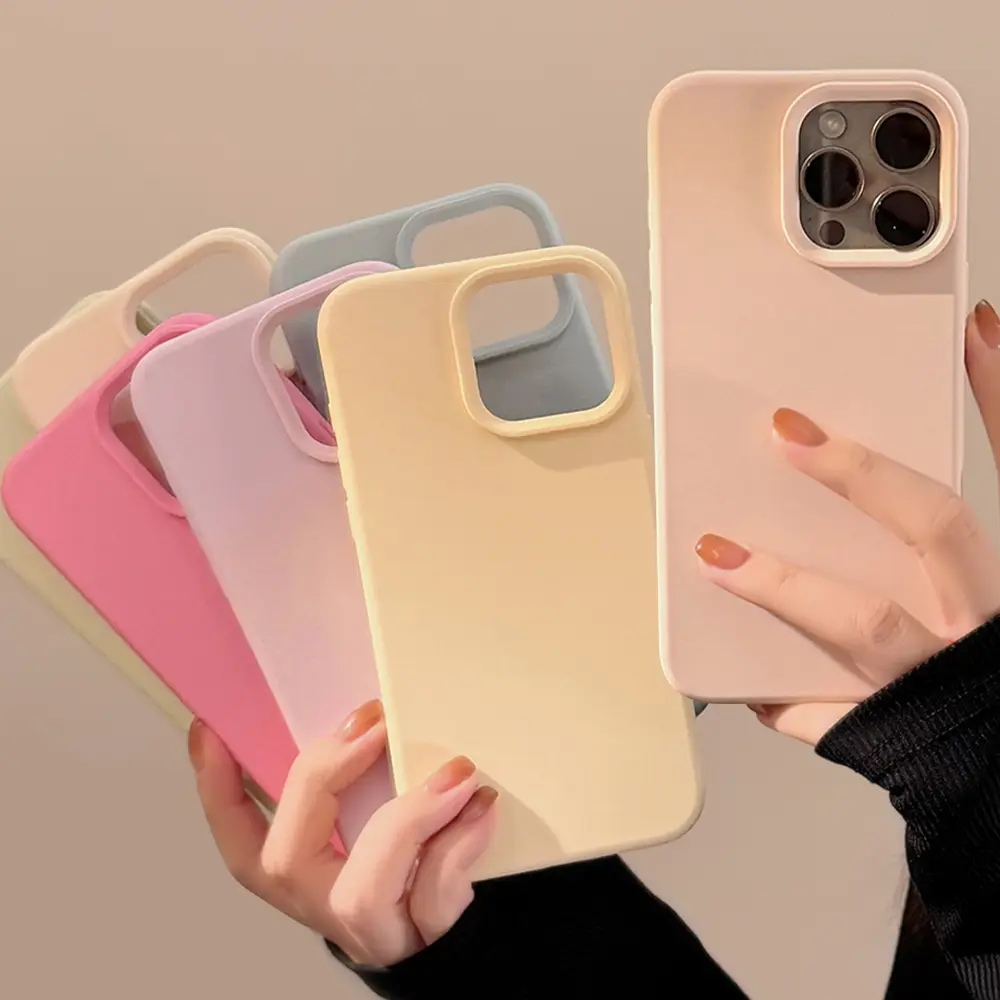 TPU Solid Color Series
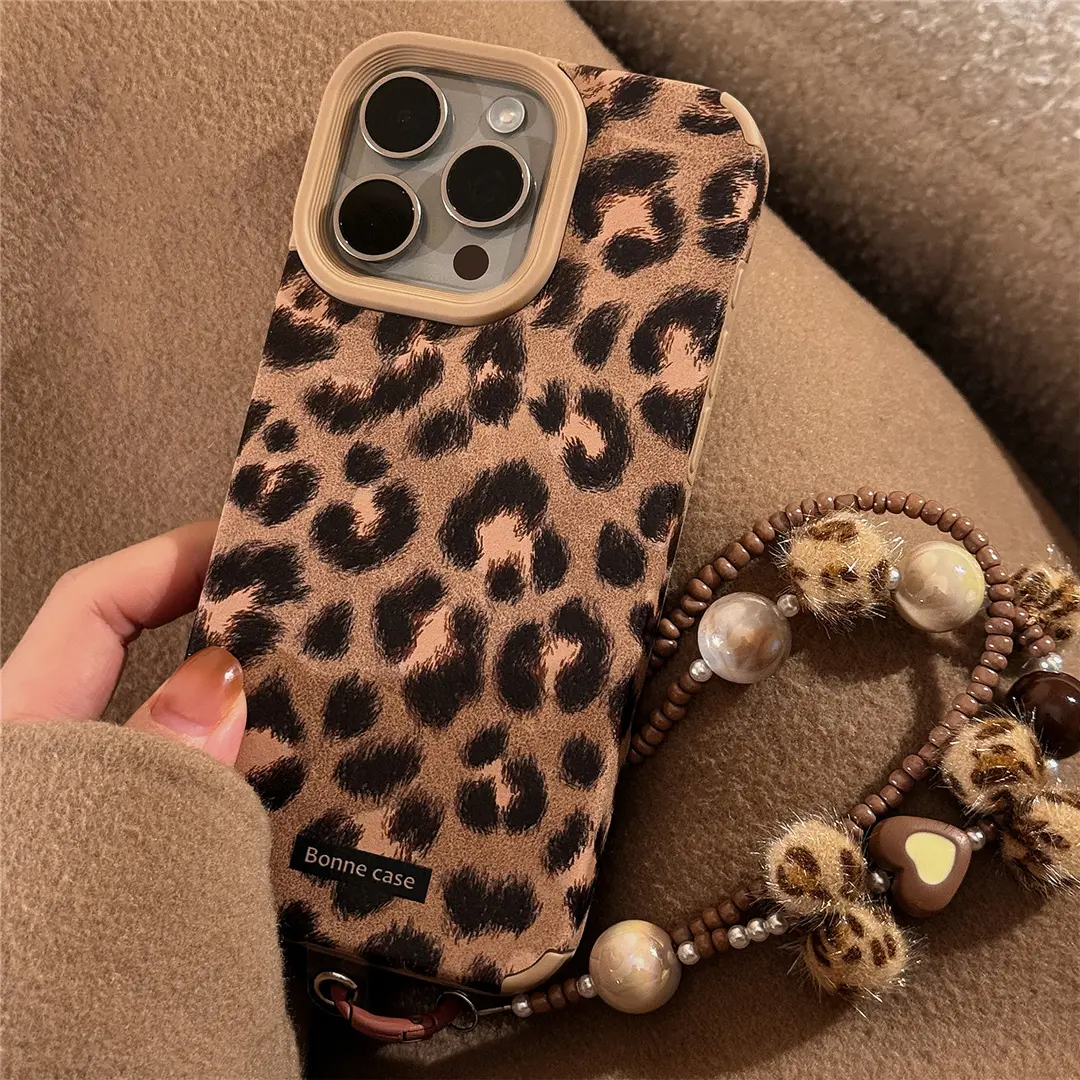 Adhesive Series
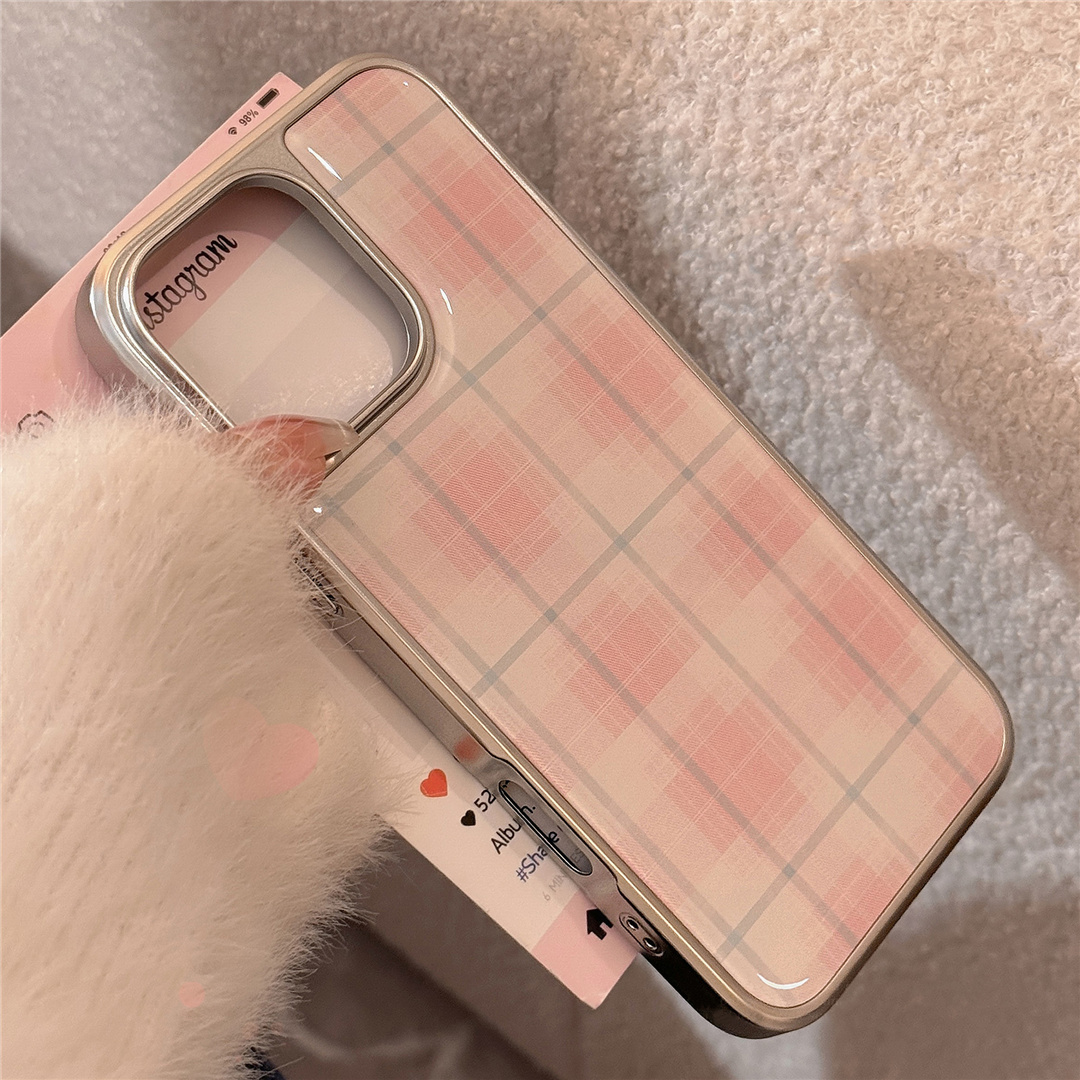 Drip Glue Series
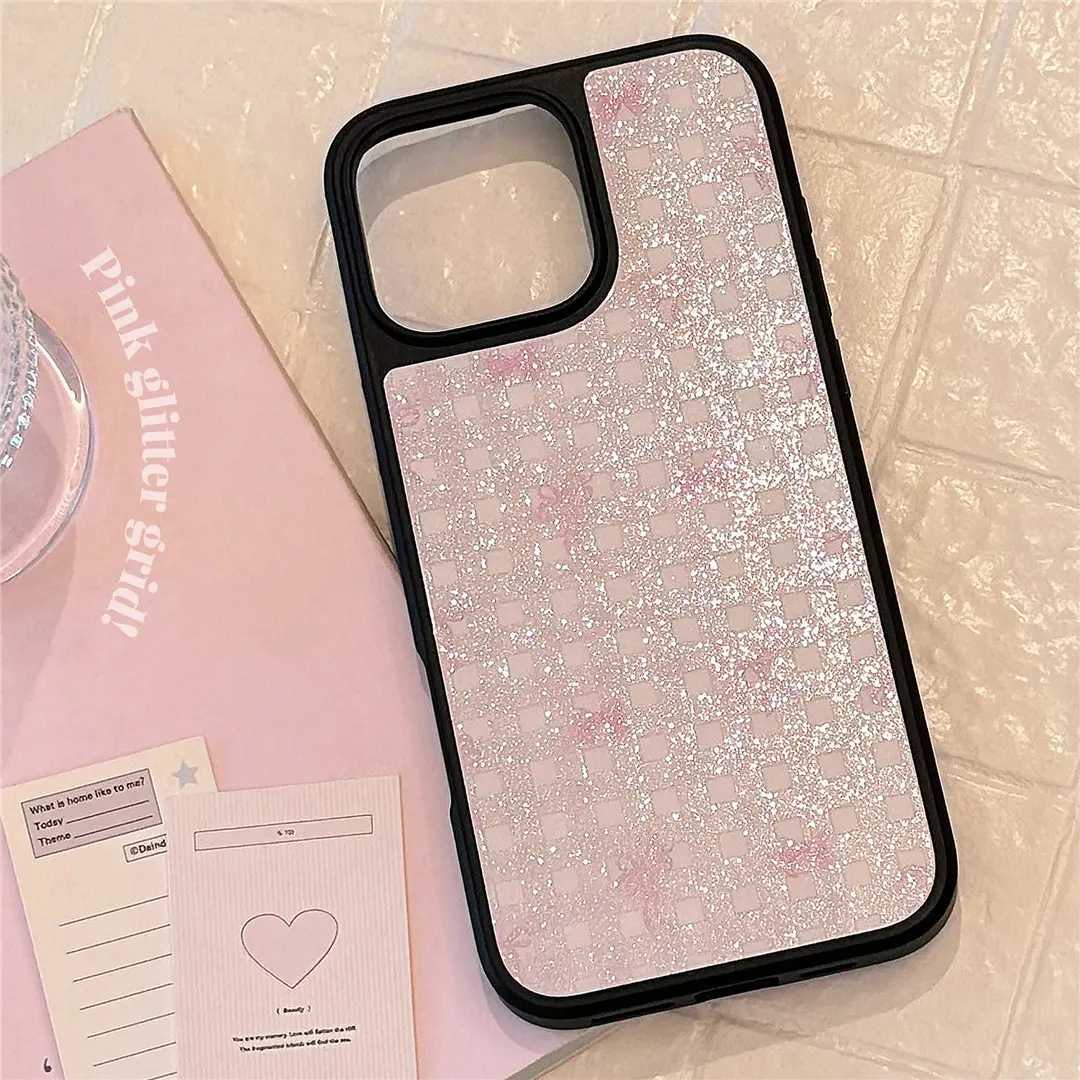 Liusha Series
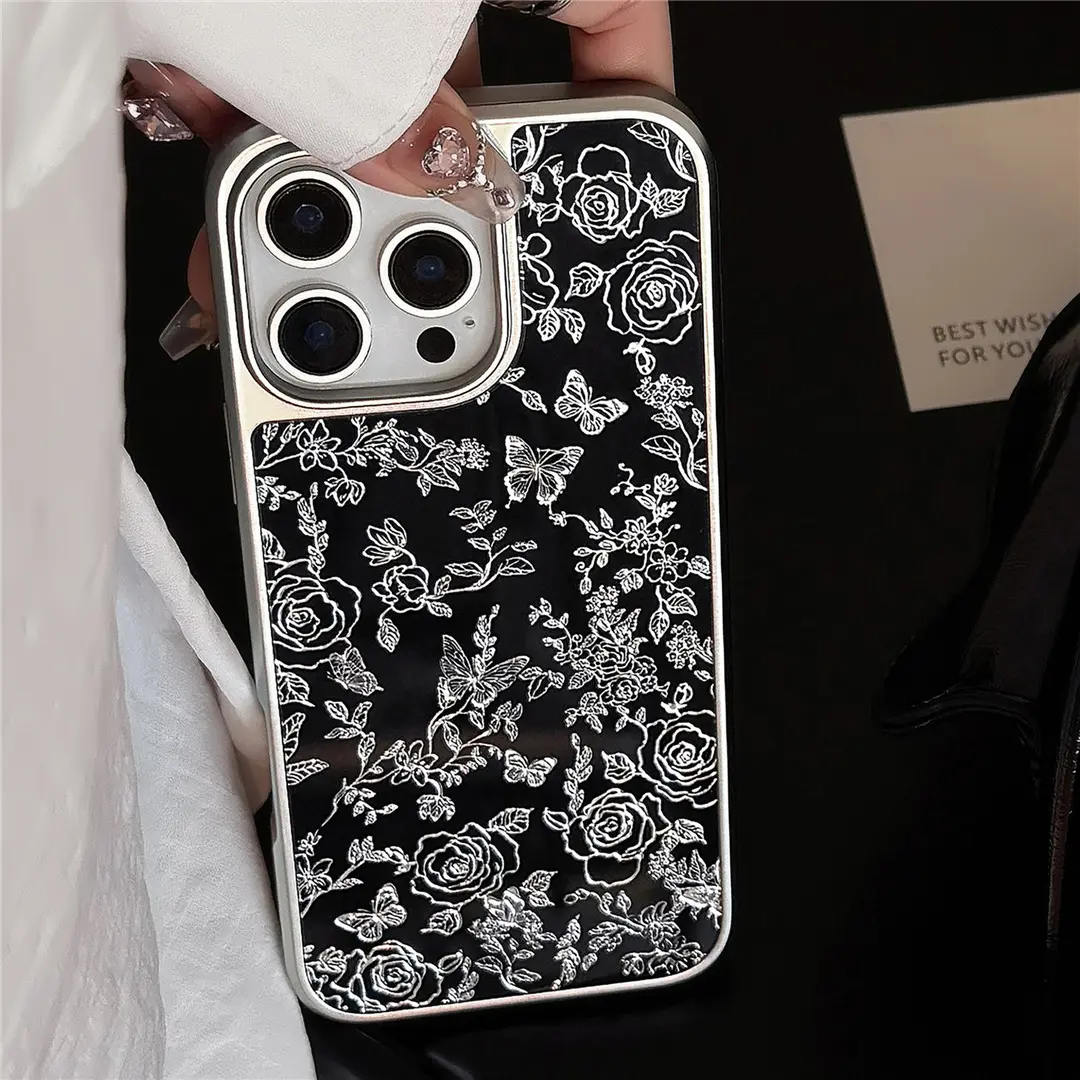 Gilded Series
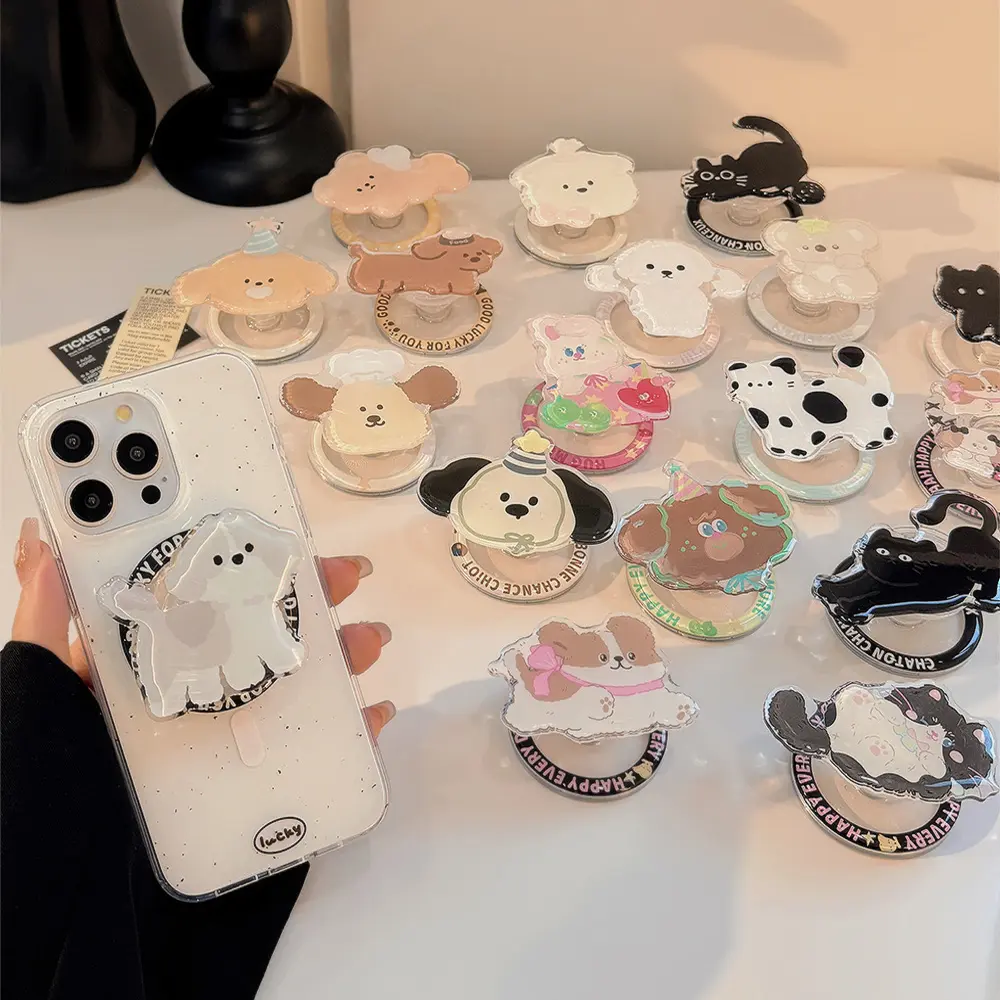 Magnetic Series
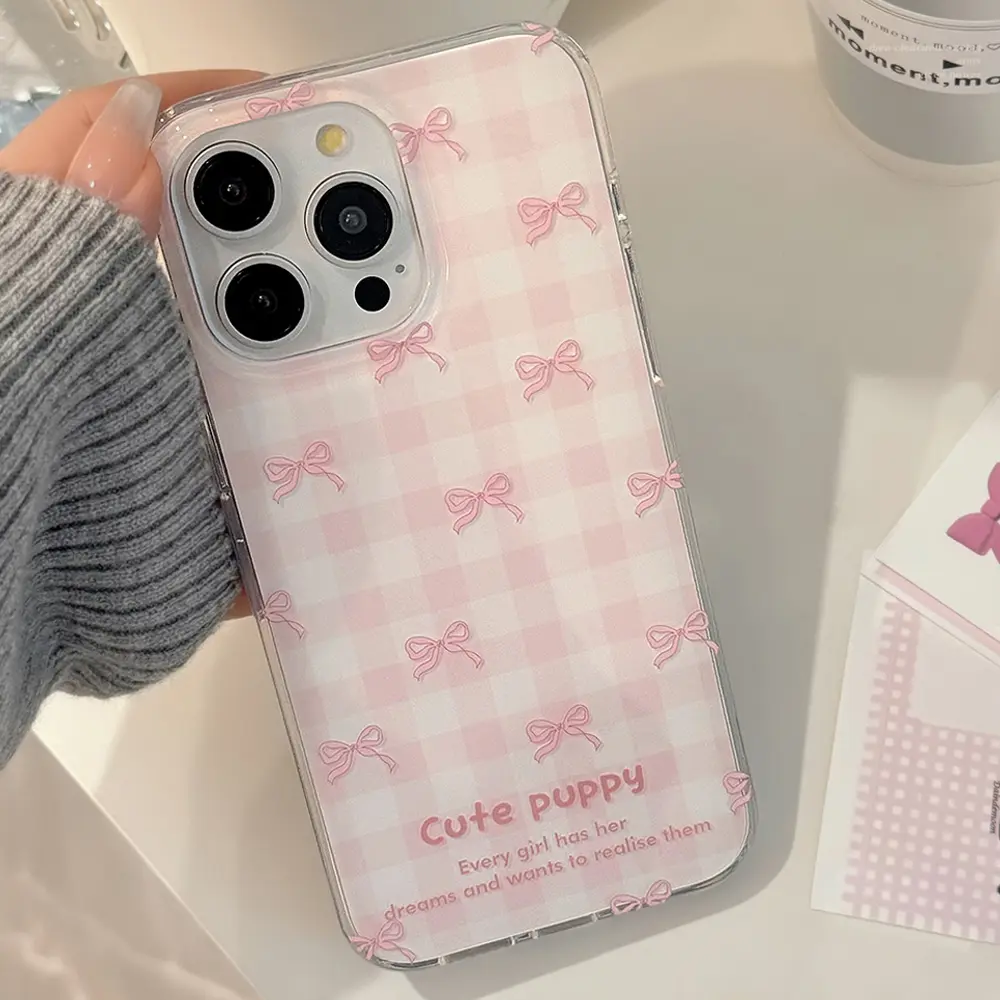 IMD Series
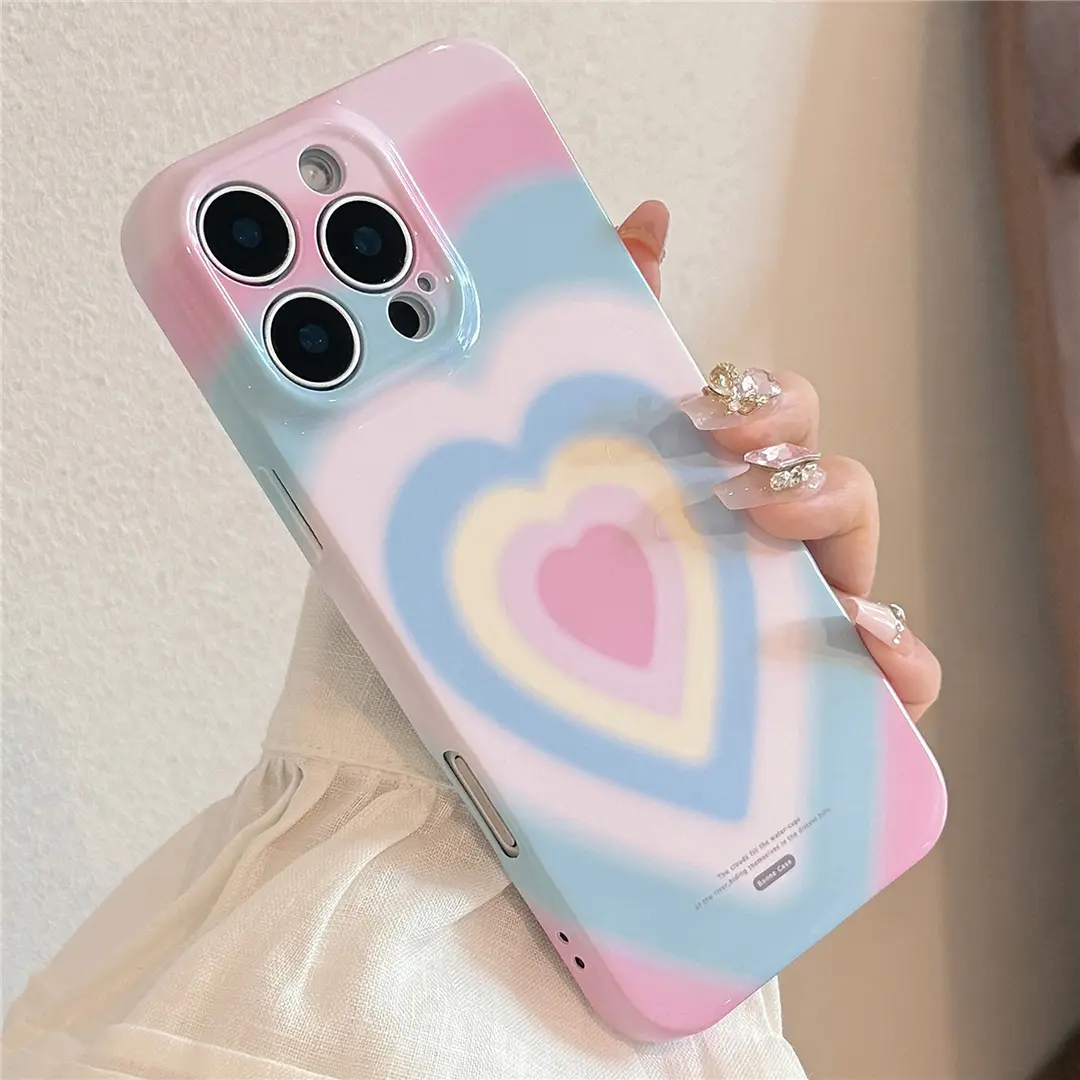 Film Series
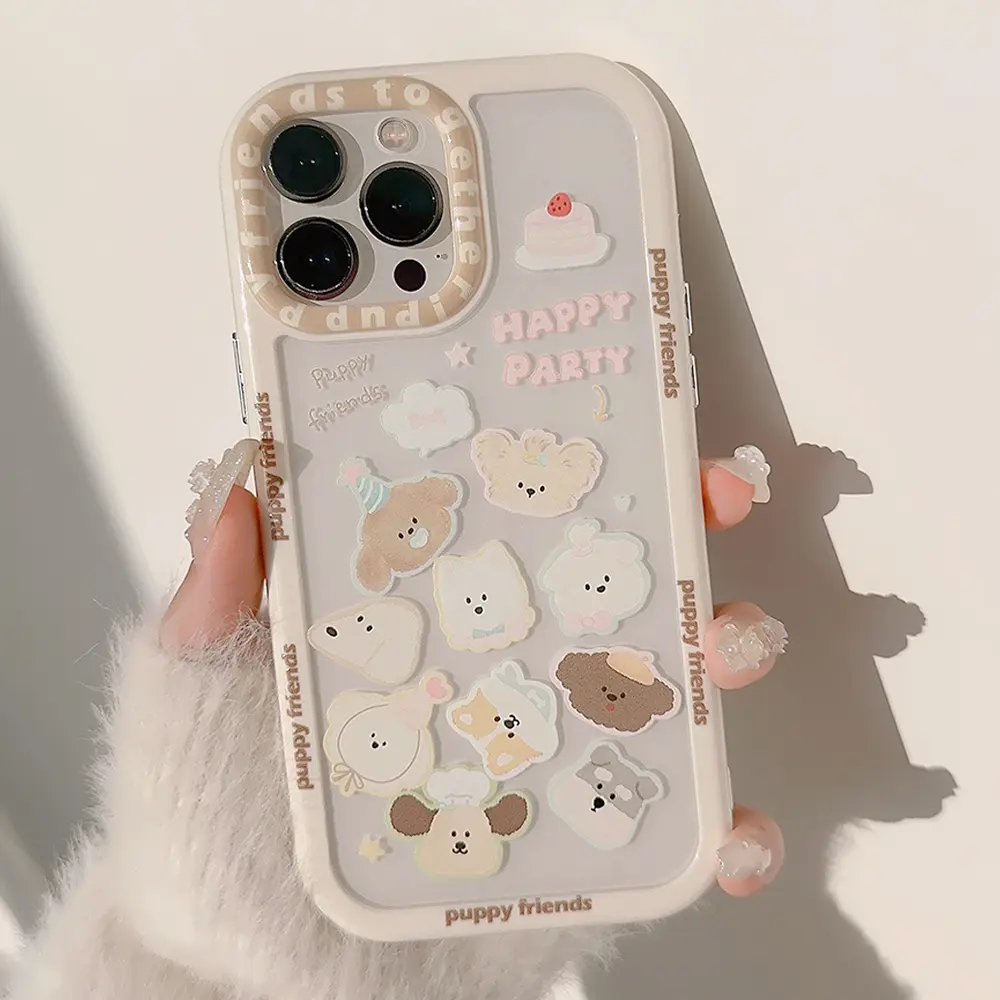 Painting Series