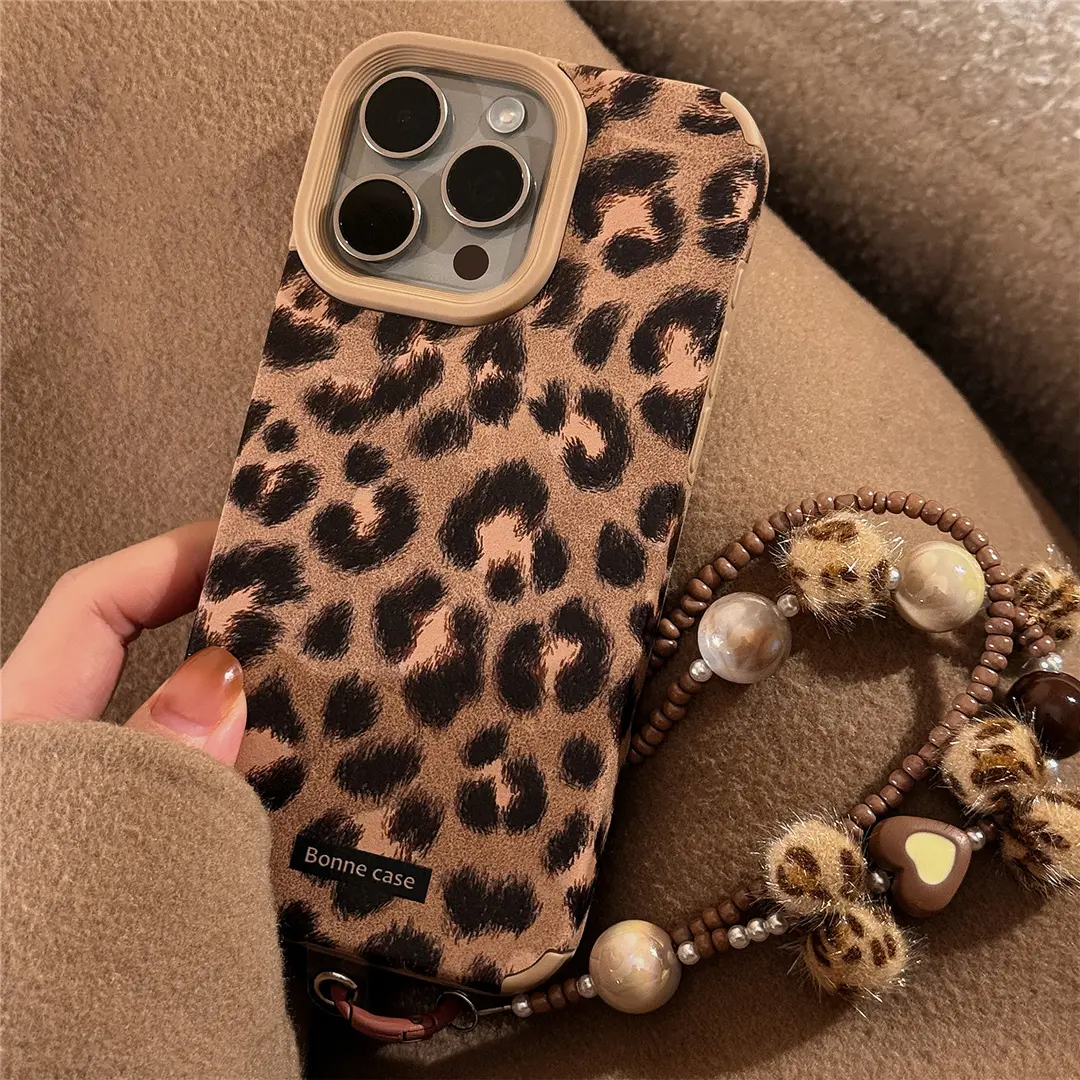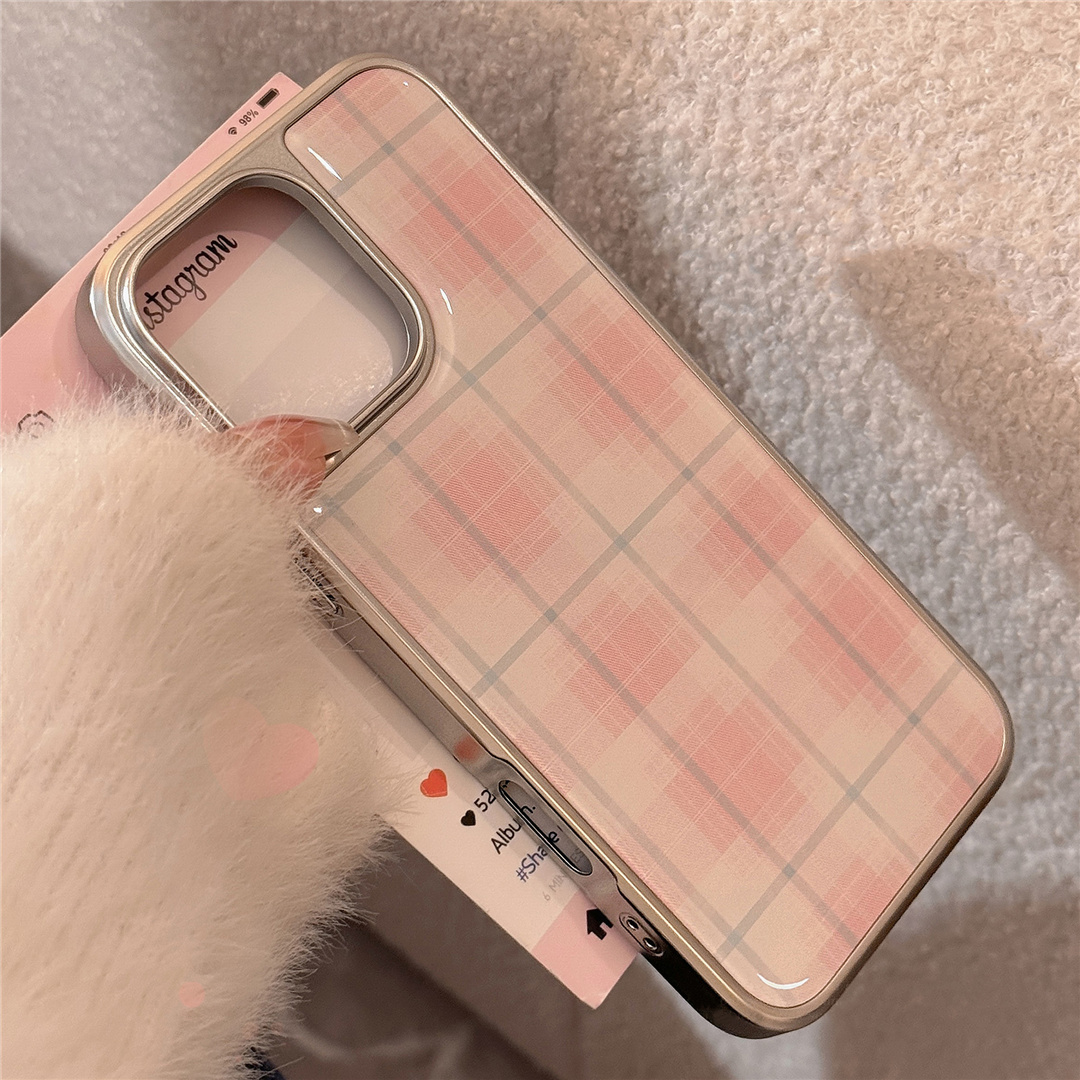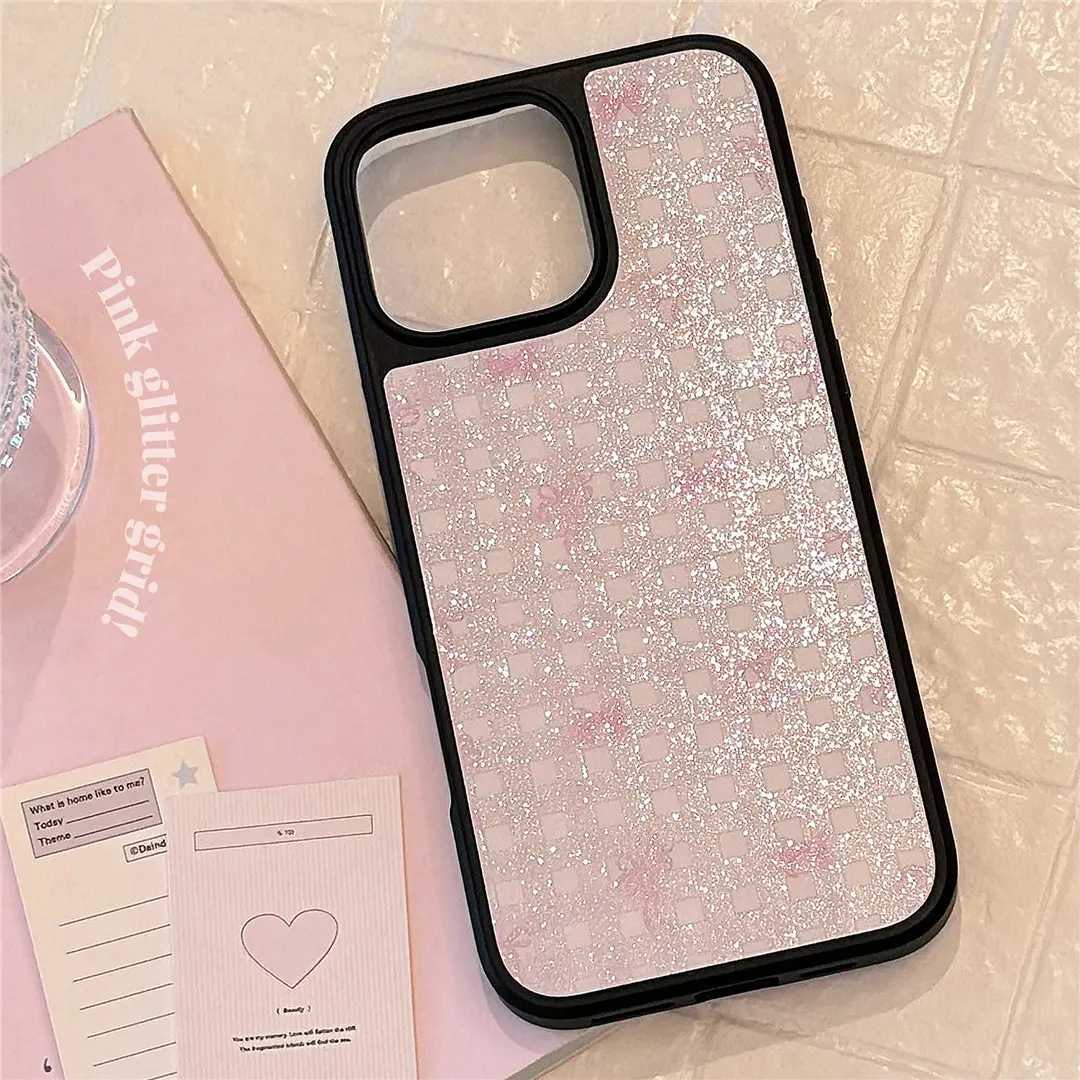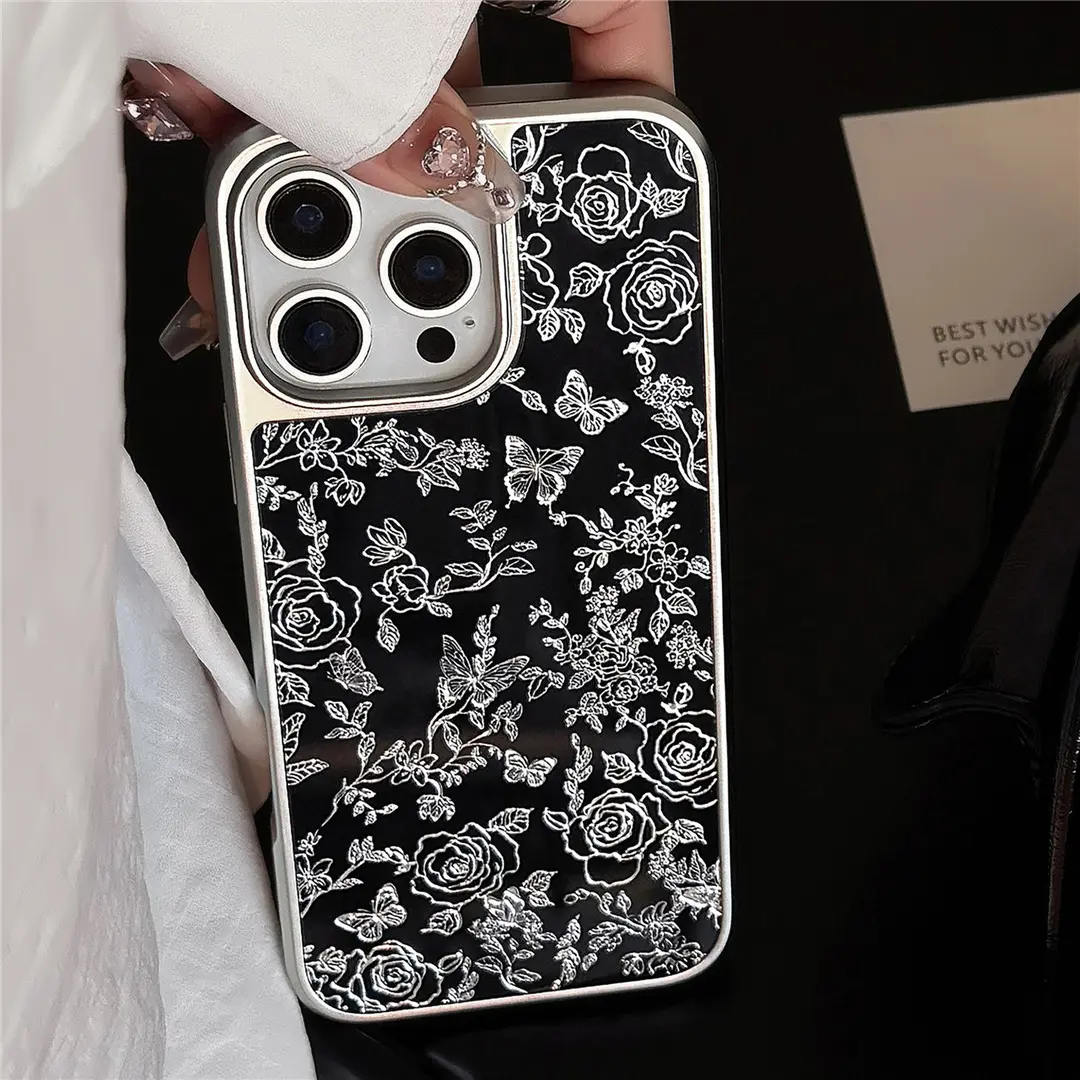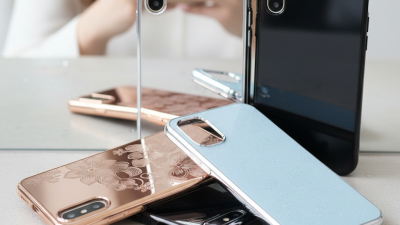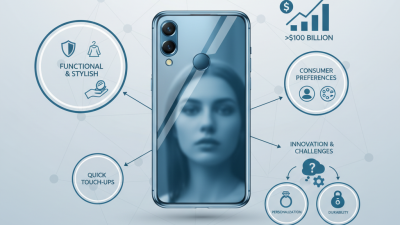
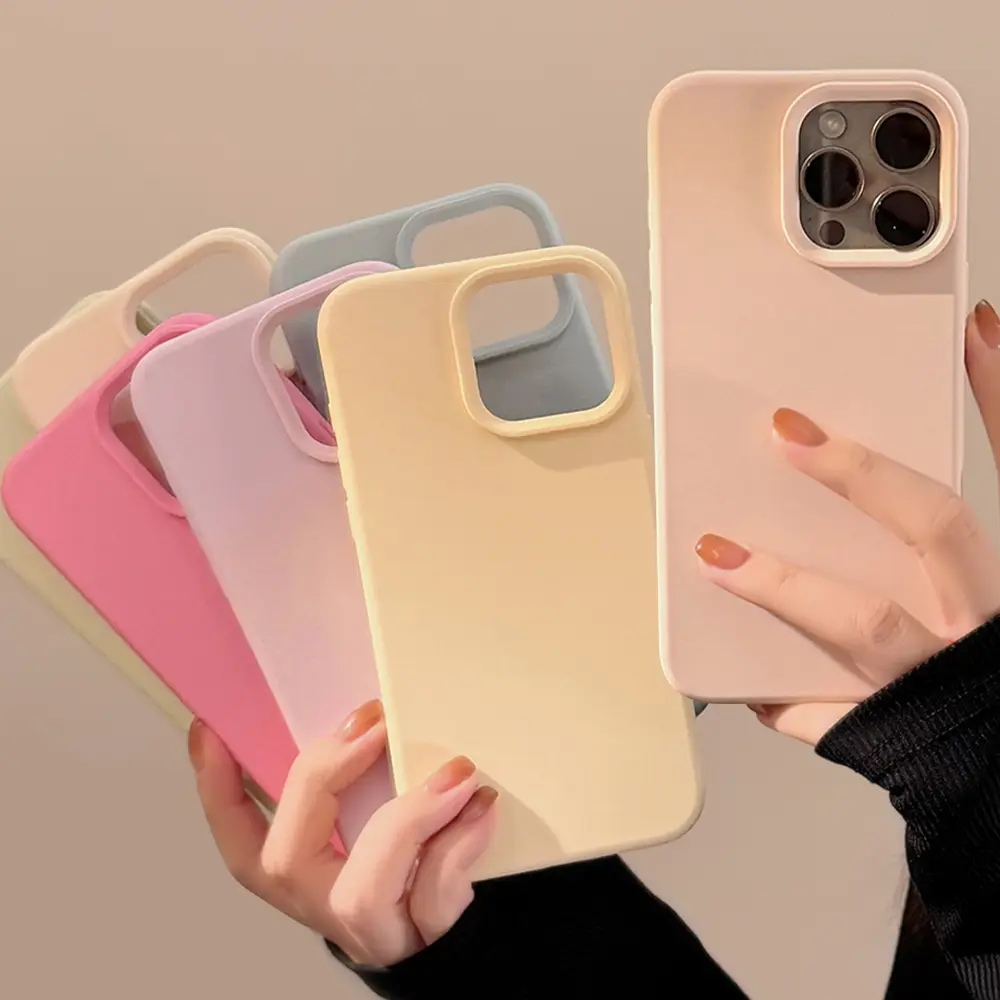
Choosing the best Mirror Phone Case requires more than matching a shiny finish with your phone.
IDC reported approximately 1.24 billion smartphones shipped worldwide in 2024, showing the scale of the devices people protect daily. Meanwhile, Grand View Research identifies growing demand for mobile accessories, driven by protection, personalization, and convenience. However, these reports usually group mirror cases with broader accessory categories. They do not prove that every reflective case offers equal protection.
That gap matters.
A Mirror Phone Case should balance impact resistance, grip, visibility, and everyday maintenance. Check the case material, corner reinforcement, camera-lip height, hinge strength, and compatibility with wireless charging. A beautiful surface means little if it scratches after one week. Fingerprints are another issue.
Dieter Rams, a leading industrial-design authority, offered a useful principle: “Good design is as little design as possible.” His idea applies here, although a mirror case must also solve practical problems. It should reflect light without becoming slippery. It should protect the phone without making the screen difficult to access. Small compromises remain unavoidable.
The best choice depends on your habits. Commuters may need raised edges and strong corner protection. Makeup users may value a clear reflection and secure closure. Minimalists may prefer a slim case with a clean mirror panel.
No case is perfect.
This guide compares materials, protection standards, visual quality, usability, and long-term value. It also questions popular claims, because attractive advertising cannot replace tested performance, reliable specifications, and honest user experience.
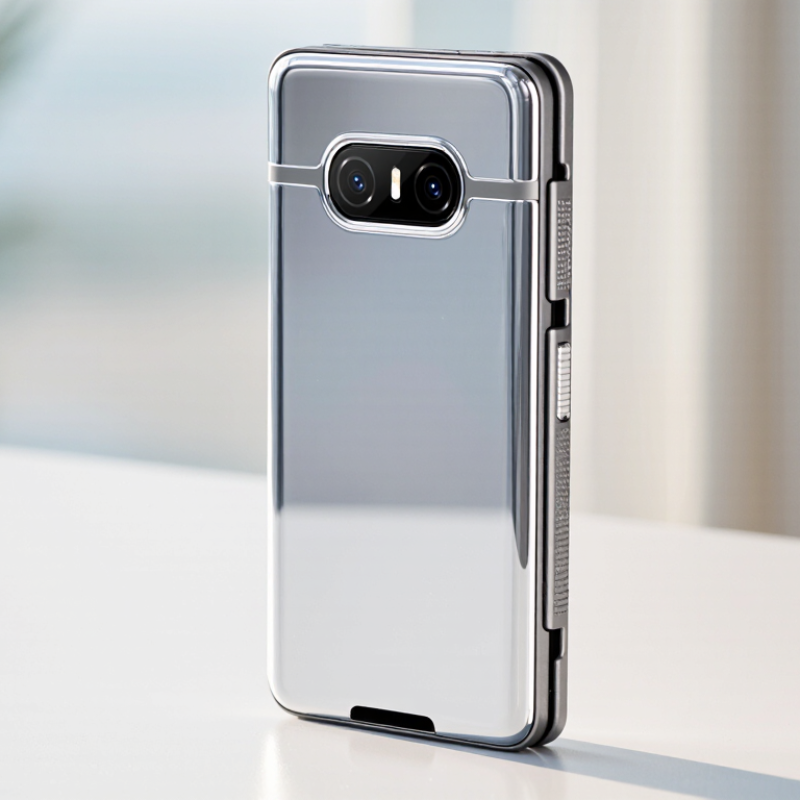
Choosing the best mirror phone case starts with your daily habits. If you check messages in public places, privacy should guide your decision. Choose a mirror panel with limited viewing angles and a secure cover. A clear mirror may look elegant, but it can reveal notifications too easily. Test the case under bright lighting before buying. Glare can make the screen difficult to read.
Selfie use also requires practical details. The mirror should reflect your face clearly without heavy distortion. Check whether the camera area stays uncovered when the case opens. A thick border may block part of the view. It happens. For style, consider the finish, color, and texture against your usual clothes. Glossy surfaces look polished, but fingerprints appear quickly. Matte designs hide marks better and often feel steadier in one hand.
Daily protection still matters more than appearance. Look for raised edges around the screen and camera lenses. Shock-absorbing corners can reduce damage from short drops. The hinge or magnetic closure should feel firm, not loose. Weight matters too. A beautiful case becomes annoying when it makes a small phone feel heavy. I would also check wireless charging compatibility and cleaning instructions. Mirror surfaces can scratch from keys, even when the case itself feels strong. Some buyers focus on selfies and overlook grip. That is a real mistake. A slippery case may cause more trouble than it prevents.
How to Choose the Best Mirror Phone Case?
A mirror phone case looks elegant, but appearance should not decide the purchase. IDC reported 1.23 billion smartphone shipments worldwide in 2024, up 6.4% from 2023. That scale reflects many models, sizes, and camera layouts. Check the exact model number in your phone’s settings, not only the device name. A case made for a similar version may leave buttons misaligned or expose the lower edge.
Inspect the camera cutouts under bright light. Each lens should sit fully inside its opening, with no dark rim covering the image area. The flash also needs clear space. A practical test is simple: open the camera, switch between lenses, and photograph a white wall. Look for shadows, glare, or blurred corners. I have seen cases fit perfectly around the phone while blocking part of the flash. That detail is easy to miss.
Screen coverage needs balance. The front rim should rise slightly above the glass, especially at the corners, without pressing against a screen protector. Test swipes from every edge. If gestures feel sticky, the lip may be too high. The 2024 Global E-waste Monitor recorded 62 million tonnes of electronic waste in 2022, so replacing a damaged phone has a wider cost than expected. I sometimes favor thicker protection, yet it can make a mirror case bulky and less comfortable. Check the fit in your hand before trusting the finish.
| Selection Criterion | What to Check | Useful Reference Data | Action Before Buying |
|---|---|---|---|
| Exact phone model | Confirm the model name, model number, generation, and regional variant. Similar-looking phones may have different dimensions or camera layouts. | Model numbers are commonly printed in the phone settings, on the original packaging, or on the device information label. |
Required Match the case listing with the complete model number, not only the phone family name. |
| Phone dimensions | Compare the case’s stated internal dimensions with the phone’s height, width, and thickness. | A difference of even 1–2 mm can affect button alignment, corner retention, or charging-port access. |
Required Use the manufacturer’s phone dimensions and avoid listings that do not specify the compatible model. |
| Camera cutouts | Check the number, position, shape, and size of the openings for cameras, flash, microphone, and sensors. | The opening should not cover any lens, flash, LiDAR or depth sensor, microphone, or autofocus area. |
Required Compare the product’s camera-hole diagram or photographs with the back of the phone. |
| Camera protection | Look for a raised camera rim or a dedicated camera cover that does not obstruct the lenses. | A raised edge helps reduce direct contact between the camera glass and flat surfaces, but it does not prevent all impact damage. |
Recommended Select a case with a continuous protective lip around the camera area and clear lens openings. |
| Screen coverage | Determine whether the case has a raised front bezel and whether it is compatible with a screen protector. | A raised bezel can help keep the display from touching a flat surface, while some edge-to-edge protectors may conflict with tight case borders. |
Required Check the listing for “screen-protector compatible” information and confirm the bezel does not cover the active display area. |
| Mirror panel quality | Check whether the reflective panel is glass, acrylic, or another coated material, and review its scratch-resistance information. | Glass generally offers better scratch resistance but can add weight and may break. Acrylic is lighter and more impact-tolerant but can scratch more easily. |
Recommended Choose the material according to priority: lighter weight and impact tolerance, or a harder reflective surface. |
| Wireless charging | Verify whether the case thickness, mirror panel, magnets, or metal parts affect wireless charging. | Charging performance depends on the phone, charger, alignment, and case construction. Metal components can interfere with inductive charging. |
Recommended Choose a case specifically described as wireless-charging compatible and remove it if charging becomes intermittent or unusually slow. |
| Magnetic accessories | Check whether the case includes a magnetic ring or built-in magnet and whether its position matches the phone’s charging coil. | Incorrect magnet placement may reduce charging efficiency or prevent reliable attachment to magnetic mounts. |
Optional Buy a case with a clearly specified magnetic system when using a magnetic car mount or stand. |
| Button and port alignment | Inspect the placement of openings or button covers for the power key, volume keys, speakers, microphones, and charging port. | Misaligned openings can reduce button responsiveness, block sound, or make charging cables difficult to insert. |
Required Compare side and bottom product images with the phone before ordering. |
| Grip and handling | Consider the case texture, edge shape, weight, and likelihood of fingerprints on the mirror surface. | Smooth reflective surfaces can be slippery and show fingerprints more readily than textured or matte materials. |
Recommended Prefer textured edges, non-slip materials, or a secure finger loop if the phone is often used one-handed. |
| Protection level | Review corner reinforcement, shock-absorbing materials, hinge construction, and the stated drop-testing information. | Drop-test claims are meaningful only when the test method, drop height, surface, and phone model are identified. |
Recommended For active use, choose reinforced corners and flexible impact-absorbing edges rather than relying on the mirror panel alone. |
| Return and replacement terms | Check whether returns cover incorrect fit, damaged reflective panels, defective hinges, or incompatibility with accessories. | Return periods and warranty conditions vary by seller and location; exclusions may apply to scratches or accidental damage. |
Required Save the order details and inspect model fit, camera alignment, buttons, and screen coverage immediately after delivery. |
Practical rule: Confirm the exact phone model first, then verify camera cutouts, screen coverage, port alignment, and accessory compatibility before evaluating appearance or price.
A mirror phone case should protect your device without turning reflections into blurred patches. Look closely at the surface under daylight. Clear reflections should show straight lines, readable text, and clean edges. If your face appears stretched near the corners, the mirror layer may have uneven thickness or poor adhesion.
ASTM D3363 offers a practical way to examine surface hardness. This method uses pencils with graded hardness, from softer grades to harder grades, under controlled pressure and angle. A trained tester records the hardest pencil that does not visibly damage the coating. Higher hardness can suggest better scratch resistance, but it does not prove that the case will survive keys, grit, or repeated pocket friction.
That distinction matters. Testing conditions also affect results, so reliable reports should identify the surface tested, applied load, angle, and conditioning period.
Hardness is only one part of mirror quality. It does not measure optical clarity, reflection distortion, or haze. For those qualities, inspect a printed grid or small black text through the reflected image. Test several areas, especially corners and camera openings. A case may pass a pencil test yet show ripples in those locations. I would also question perfect-sounding claims without test records. Real samples often reveal slight color shifts or fingerprints. That is not failure by itself, but it deserves honest evaluation before purchase.
A mirror phone case should protect more than your screen. Its drop performance deserves careful checking. Allstate Protection Plans’ 2024 Mobile Phone Protection Report estimated that United States consumers spent about $5.3 billion repairing or replacing damaged smartphones in 2023. That figure makes impact protection a practical concern, not decoration.
Look for evidence.
MIL-STD-810H Method 516.8 evaluates shock, but it is not one universal drop test. Test height, impact surface, temperature, phone orientation, and procedure can change the result. A reliable case maker should identify these conditions clearly.
“Tested to military standards” sounds impressive, yet it may reveal very little without a laboratory report. Details matter.
Inspect the mirror panel and frame together.
A rigid reflective surface may resist scratches, but excessive stiffness can transfer force toward the corners. Raised bezels, reinforced edges, and a secure camera rim offer useful protection during a table-edge fall. UL Solutions’ 2023 Consumer Technology Safety research emphasizes that product performance depends on real-world use, not laboratory claims alone. That is worth remembering.
I once treated a passing drop test as a guarantee. That was too simple. Repeated falls, cold weather, loose phone fit, and worn corners can change the outcome. Choose documented Method 516.8 testing, then check whether the case still feels secure in daily handling. A beautiful reflection is helpful. It should not hide weak engineering.
A mirror phone case should look clear, but its charging structure matters more. Check for Qi2 support and magnetic alignment before buying. The Wireless Power Consortium’s Qi2 specification allows wireless charging up to 15 W. That figure is a maximum, not a promise. Your phone, charger, case thickness, and temperature can reduce the actual speed.
Look for a precisely placed magnetic ring. It should hold the phone firmly without sliding across the charging pad. Avoid cases with metallic plates, thick decorative films, or loose glitter layers. They may weaken the magnetic connection or interrupt charging. An IEEE Access review reports practical wireless charging efficiency commonly ranging from 70% to 90%, depending on alignment and distance. Small gaps matter. A mirror finish does not improve charging.
Test the case at home. Place the phone on a certified Qi2 charger and check whether charging starts immediately. After fifteen minutes, feel the case near the center. Warm is normal; uncomfortably hot deserves attention. I once trusted a “15 W” label too quickly. The phone charged, but slowly, because the magnetic ring sat slightly low. That mistake changed my buying checklist. Confirm the case supports your exact phone model, wireless charging, and magnetic accessories together. Compatibility claims can be vague. Look for certification details, not only polished product photos.
Compare common wireless charging modes when selecting a mirror phone case. Qi2 and compatible magnetic charging systems can support wireless charging up to 15 W, while basic Qi charging commonly operates at lower power.
What to check: Choose a case that clearly supports magnetic alignment for Qi2 or MagSafe-compatible chargers, allows stable coil positioning, and does not excessively interfere with charging. Actual charging speed may vary by phone, charger, adapter, temperature, and battery level.