China Top Painted Phone Case Manufacturers Wholesale?
China’s painted phone case industry serves retailers, online brands, distributors, and promotional buyers worldwide. Grand View Research reports that the global smartphone accessories market continues to expand, supported by rising smartphone ownership and replacement demand. Fortune Business Insights also projects steady growth in mobile phone accessories through 2032, although market estimates differ by product definition and research method.
That difference matters. A Painted Phone Case may be factory-coated, digitally printed, or finished by hand. Each process affects color accuracy, surface texture, scratch resistance, and wholesale pricing. Reliable Chinese manufacturers should explain these differences clearly. Buyers should request physical samples, coating specifications, material declarations, and production photographs before placing large orders.
Practical details often reveal real capability. Ask about TPU, PC, silicone, or recycled materials. Confirm compatible phone models, logo methods, packaging options, and minimum order quantities. A serious supplier can provide Pantone references, sample approval records, and reasonable quality-control procedures. Testing for restricted substances may also support compliance with destination-market requirements, including relevant REACH or RoHS obligations.
The market is not perfectly transparent. Attractive catalog images can hide inconsistent edges, weak paint adhesion, or outdated model compatibility. This is where supplier audits, factory experience, and documented inspections become valuable. China remains a major manufacturing base, but “top” should mean dependable communication and repeatable quality, not only a low quotation. Buyers may need to revise their assumptions after sampling. That is normal. A careful wholesale comparison should balance design flexibility, delivery capacity, product safety, and long-term reliability.
Types of Painted Phone Cases Made in China
China Top Painted Phone Case Manufacturers Wholesale?
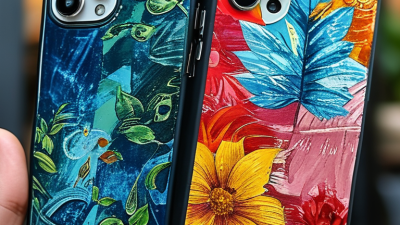
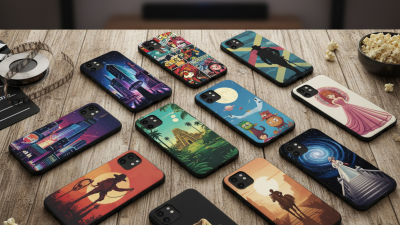
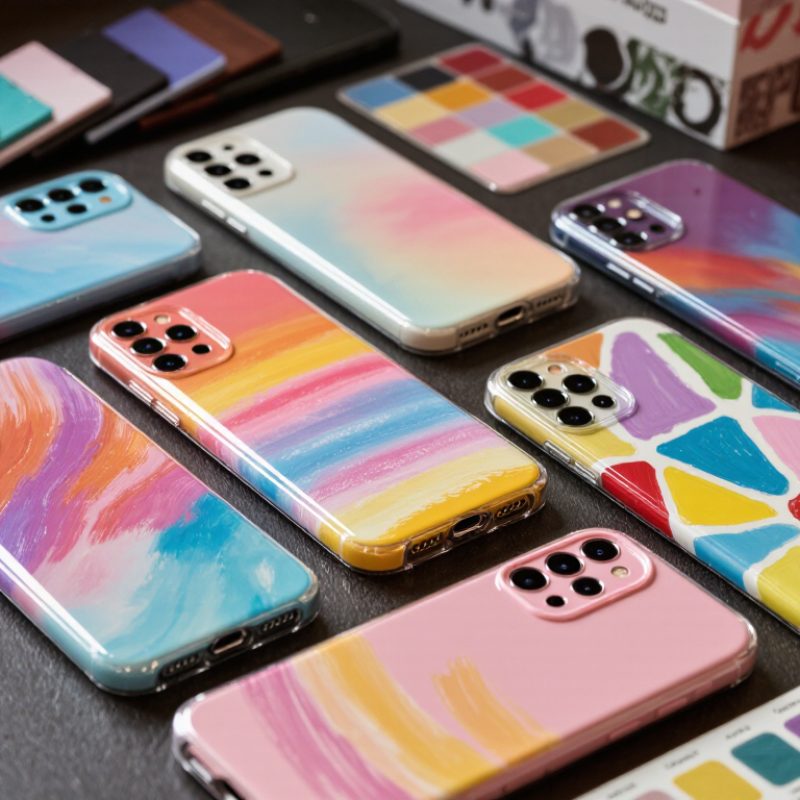
China produces several types of painted phone cases for wholesale buyers. Hand-painted cases often feature flowers, animals, landscapes, or abstract brushwork. Each piece can show slight differences. That variation feels authentic, but it may affect large-order consistency. Factory-applied UV printing creates sharper lines and repeatable colors. It also supports small text, gradient effects, and detailed patterns. Airbrushed cases provide soft transitions and a raised visual effect. Their quality depends heavily on operator skill and paint control.
Manufacturers also produce spray-painted cases with matte, glossy, metallic, or pearlescent finishes. These cases usually use polycarbonate, TPU, or hybrid shells. A clear protective coating helps resist scratches and color fading. However, poor curing can cause sticky surfaces or uneven edges. Hydro-dipped designs offer marble, camouflage, and flowing patterns. They can look impressive, yet alignment around camera openings needs careful inspection. For wholesale orders, buyers should request samples before approving production.
In practical factory checks, I examine corner coverage, button openings, and coating thickness. I also rub the surface with a soft cloth after curing. Some finishes passed visual inspection but showed weak adhesion later. That result was disappointing and worth reconsidering. Reliable suppliers should provide material details, production photos, color references, and inspection records. Packaging matters too. Individual sleeves and corner protection can reduce scratches during shipping. Painted cases may look beautiful, but durability should guide the final purchase decision.
Types of Painted Phone Cases Made in China
Typical production stages by painted phone case type
Spray-painted TPU and metallic-painted PC cases generally require multiple finishing steps, including surface preparation, color application, and protective coating. UV-printed PC cases usually use fewer coating stages, while hydro-dipped cases combine a printed film transfer with a clear protective layer. Actual specifications may vary according to the supplier, finish, and order requirements.
Key Features of Leading Chinese Phone Case Manufacturers
China Top Painted Phone Case Manufacturers Wholesale?
Leading Chinese phone case manufacturers combine design control, stable production, and measurable quality systems. Grand View Research valued the global smartphone accessories market at more than USD 250 billion in 2023. That scale rewards suppliers that can repeat color, texture, and fit across thousands of units. A capable factory should provide pre-production samples, Pantone-based color checks, mold records, and inspection photos before shipment. Small details matter. A painted edge that chips after repeated pocket use is not a successful product.
Wholesale buyers should examine printing methods, coating thickness, material safety, and production capacity. UV printing can create sharp artwork, while protective coatings improve abrasion resistance. However, glossy finishes may show fingerprints and minor scratches quickly. This is where factory experience becomes visible. Ask for a 500-cycle rub test, drop-test results, and batch-level defect rates. Reports from IDC recorded approximately 1.24 billion smartphone shipments worldwide in 2024, creating strong demand for compatible accessories. Yet demand does not excuse weak fit testing.
Reliable manufacturers also maintain documented quality procedures, traceable raw materials, and independent inspection options. ISO 9001 registration can indicate process discipline, but it is not proof of every product’s quality. Buyers should verify current certificates and test reports for each material. RoHS and REACH-related documentation may support market access, depending on the destination. Do not trust one perfect sample alone. Production variation remains a real risk, especially with hand-painted details and mixed color batches. A clear wholesale agreement should define tolerances, packaging, replacement terms, and inspection timing.
How Wholesale Painted Phone Case Production Works
How Wholesale Painted Phone Case Production Works
Wholesale painted phone case production starts with a technical review, not a paintbrush. Buyers submit phone models, artwork files, target quantities, and packaging requirements.
According to IDC’s Worldwide Quarterly Mobile Phone Tracker, global smartphone shipments reached about 1.17 billion units in 2024.
That scale makes model accuracy essential. A case that fits poorly creates returns, even when its artwork looks attractive.
Factories usually test a small sample first. Operators clean the case surface, apply a primer, print or spray the design, and add a protective clear coat.
UV printing can produce sharp graphics, while hand-painted details create visible variation. That variation is sometimes the product’s appeal. It can also become a quality problem.
Grand View Research reports that the global mobile phone accessories market is expected to grow steadily through 2030, increasing pressure for faster, repeatable production.
Buyers should check color consistency, button clearance, camera openings, coating adhesion, and drop resistance before approving bulk work.
Production then moves through batching, curing, inspection, and packing. A practical supplier records paint codes, curing temperatures, and rejected quantities for each batch.
Small defects still appear. Dust, uneven gloss, or slight color drift can happen.
Honest communication matters more than unrealistic perfection.
Wholesale orders should include a confirmed tolerance range and replacement policy.
Requesting a pre-production sample is wise, but one sample cannot represent every production shift. That is where many purchasing plans remain weak.
Quality, Customization, and Design Selection Criteria
Choosing a wholesale painted phone case manufacturer requires more than comparing prices. In sourcing projects, I check coating adhesion, edge coverage, button fit, and camera clearance. A reliable factory should provide material details, production samples, and inspection records. Ask whether each batch receives color, surface, and drop-resistance checks. Small flaws matter. Uneven paint near the charging port can affect customer satisfaction.
Customization should match your market, not only your artwork. Discuss color references, logo placement, texture, packaging, and minimum order quantities before production. Request a physical sample with the final finish. Digital previews often hide dull colors or excessive gloss. Good manufacturers explain their limits clearly. They should also confirm lead times, revision costs, and quality procedures in writing. That documentation supports accountability when orders become larger.
Design selection needs both creativity and practical judgment. Painted patterns should remain recognizable around camera openings and curved edges. Fine lines may disappear during spraying. Dark colors can show fingerprints, while pale finishes may reveal scratches more easily. Test several textures under indoor and outdoor lighting. Do not trust one sample alone. I would compare samples after handling, wiping, and mild bending. This method is useful, but not perfect. Real customer use may expose weaknesses that factory testing misses. A thoughtful supplier welcomes that criticism and adjusts the process rather than defending every result.
How to Evaluate and Order from a Chinese Supplier
Evaluating a Chinese painted phone case supplier requires more than checking photos. IDC reported about 1.23 billion smartphones shipped worldwide in 2024, creating steady accessory demand. However, demand does not prove manufacturing quality. Ask for factory videos, export history, production capacity, and recent inspection records. Confirm whether painting, curing, printing, and final assembly happen in one facility.
Order samples before discussing large quantities. Test three pieces from different production batches. Check color consistency under daylight, camera-hole alignment, button pressure, edge coverage, and surface odor. Use ASTM D3359-style adhesion testing, alcohol rubbing, and a simple drop test. The result may look imperfect. That is useful evidence. Request test reports for restricted substances, including RoHS and REACH requirements, when selling internationally. ISO 2859-1 sampling methods can support a clearer acceptance plan.
Write every detail into the purchase order. Include material, coating layers, Pantone reference, logo position, packaging, carton dimensions, acceptable defect limits, MOQ, lead time, Incoterm, and payment milestones. A low quotation may exclude mold changes, inner packaging, or inspection costs. Ask for a pre-shipment inspection before the balance payment. Compare the approved sample with packed goods, not only factory photographs. I would also keep a small reserve for rework. My first specification can be wrong, especially when a glossy finish hides tiny scratches. A written correction process protects both sides.

 TPU Solid Color Series
 Adhesive Series
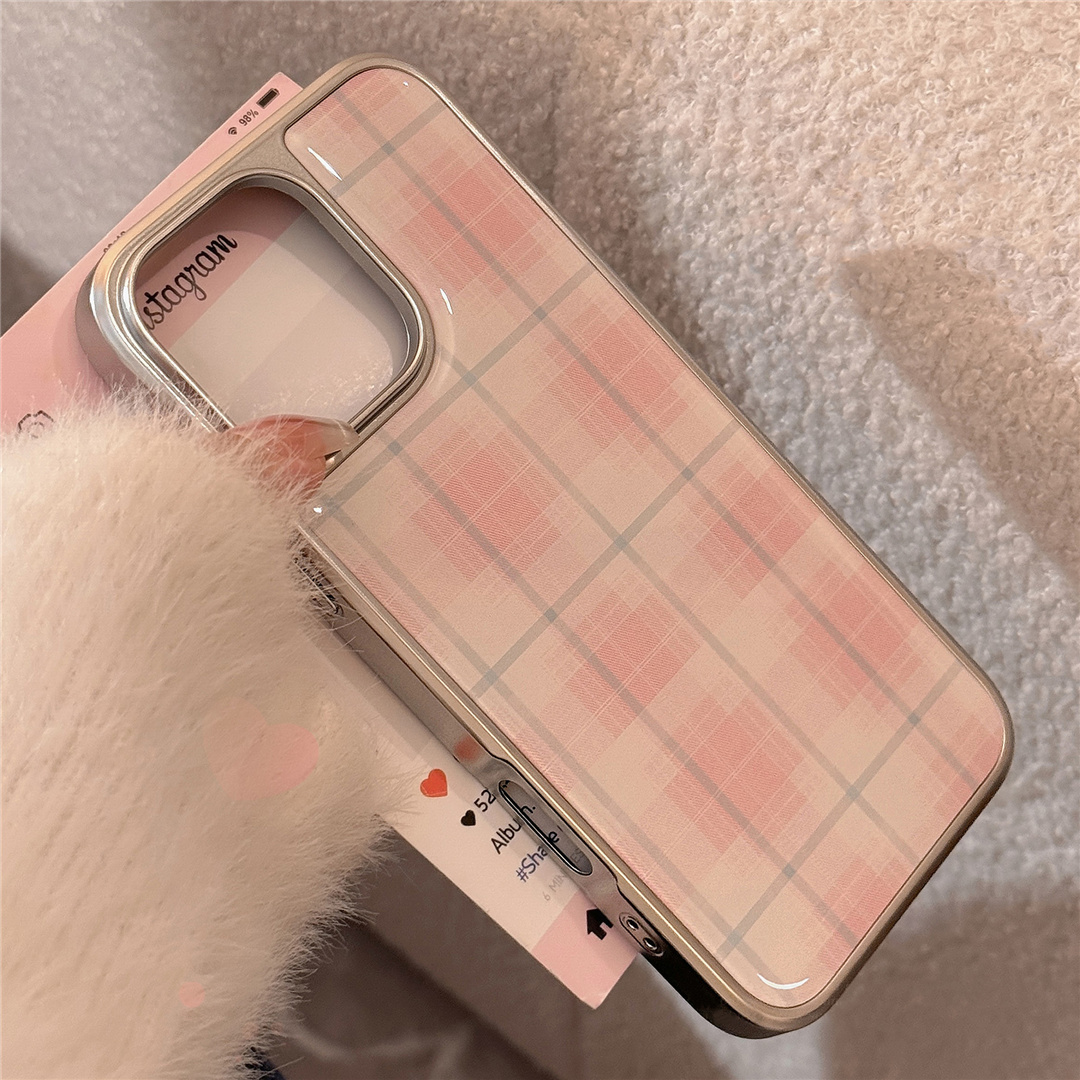 Drip Glue Series
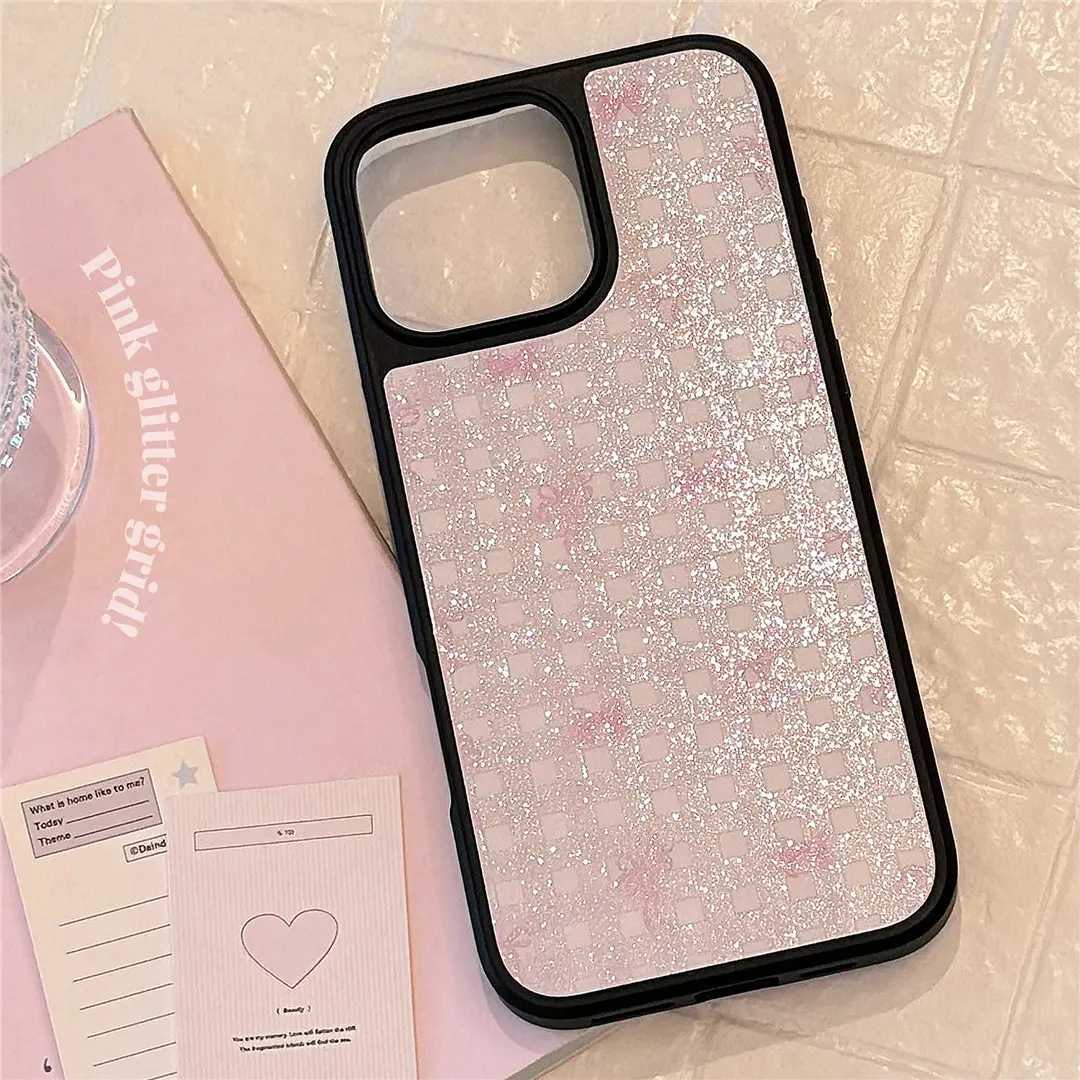 Liusha Series
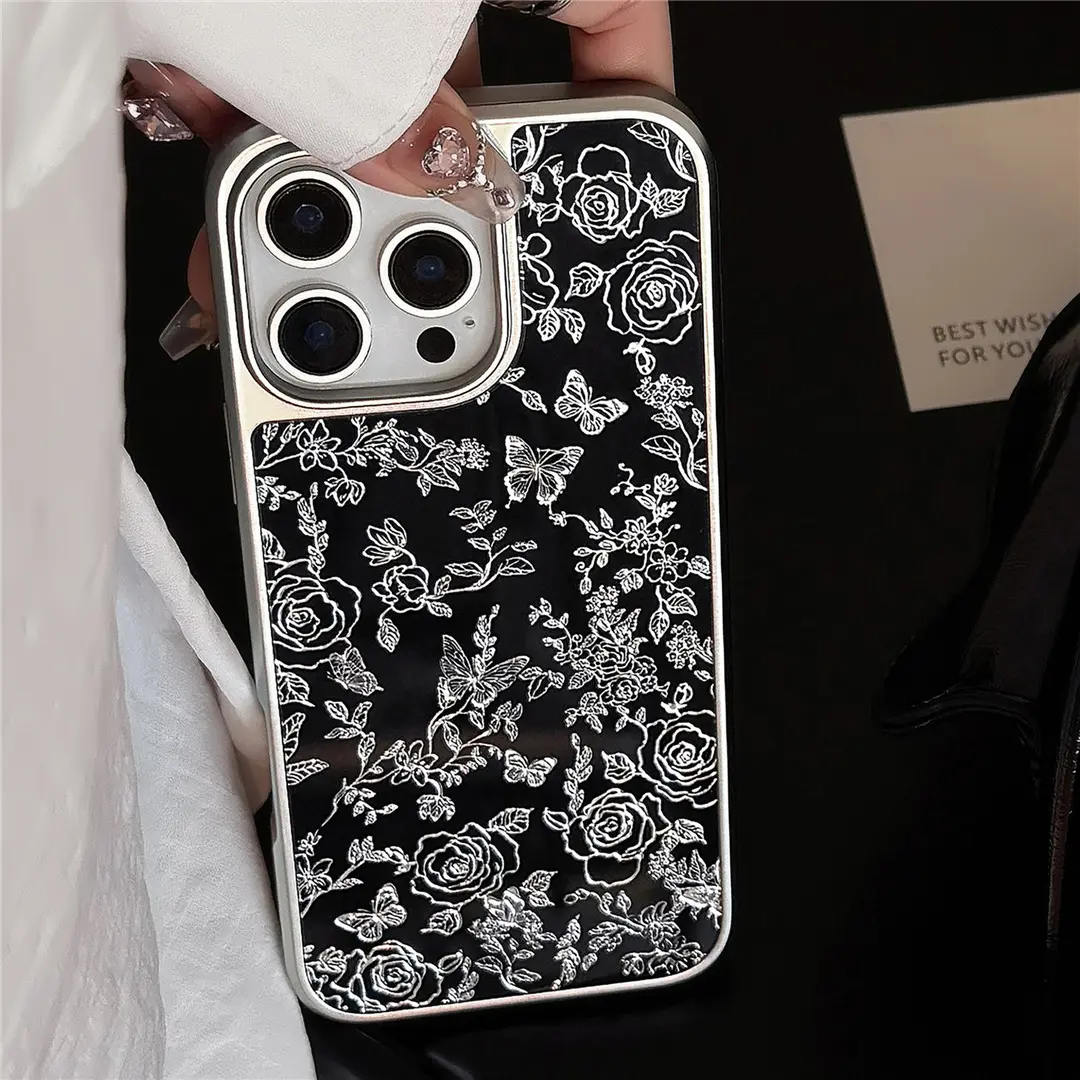 Gilded Series
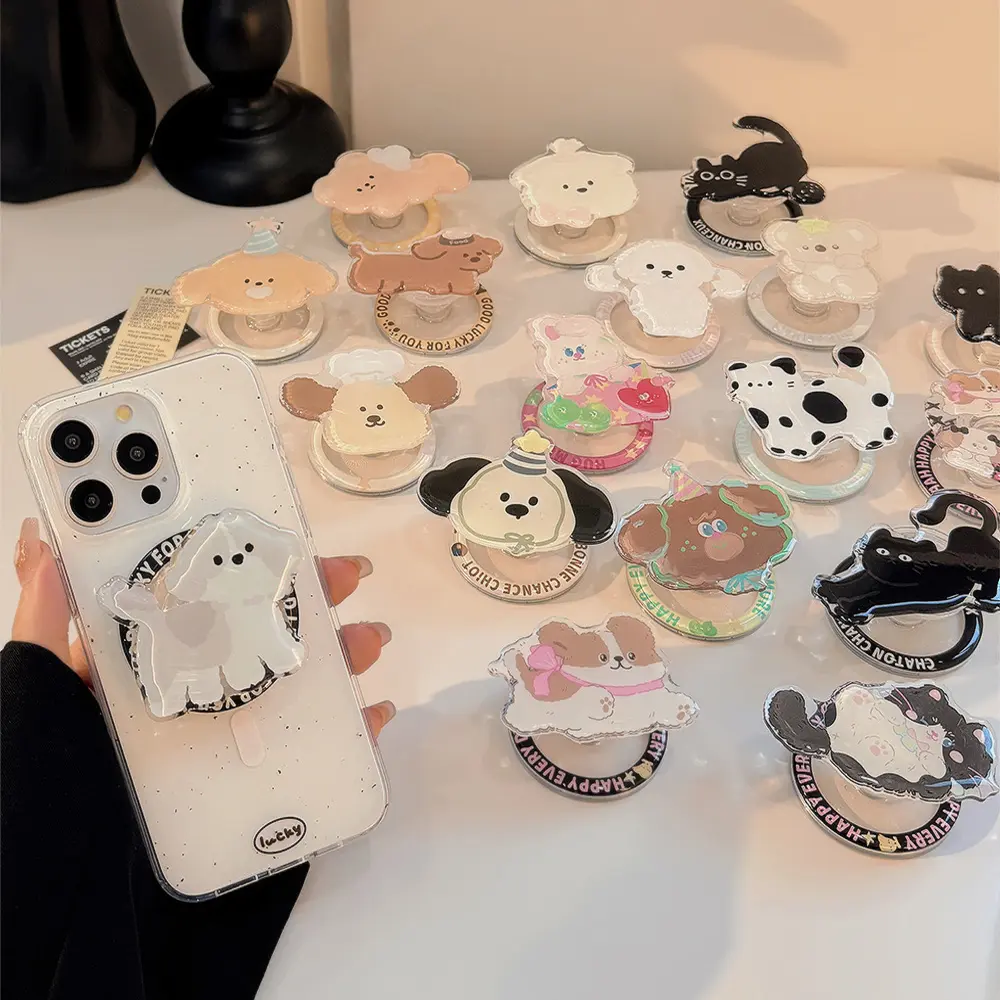 Magnetic Series
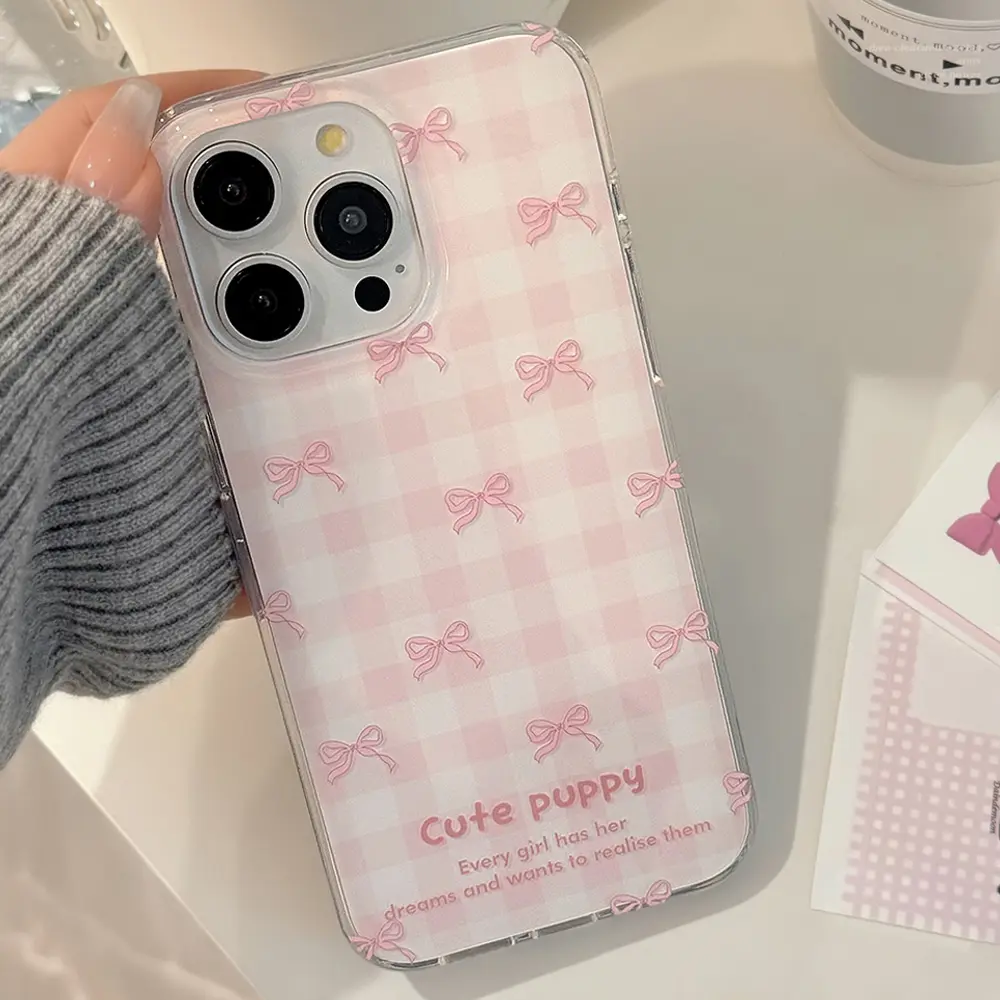 IMD Series
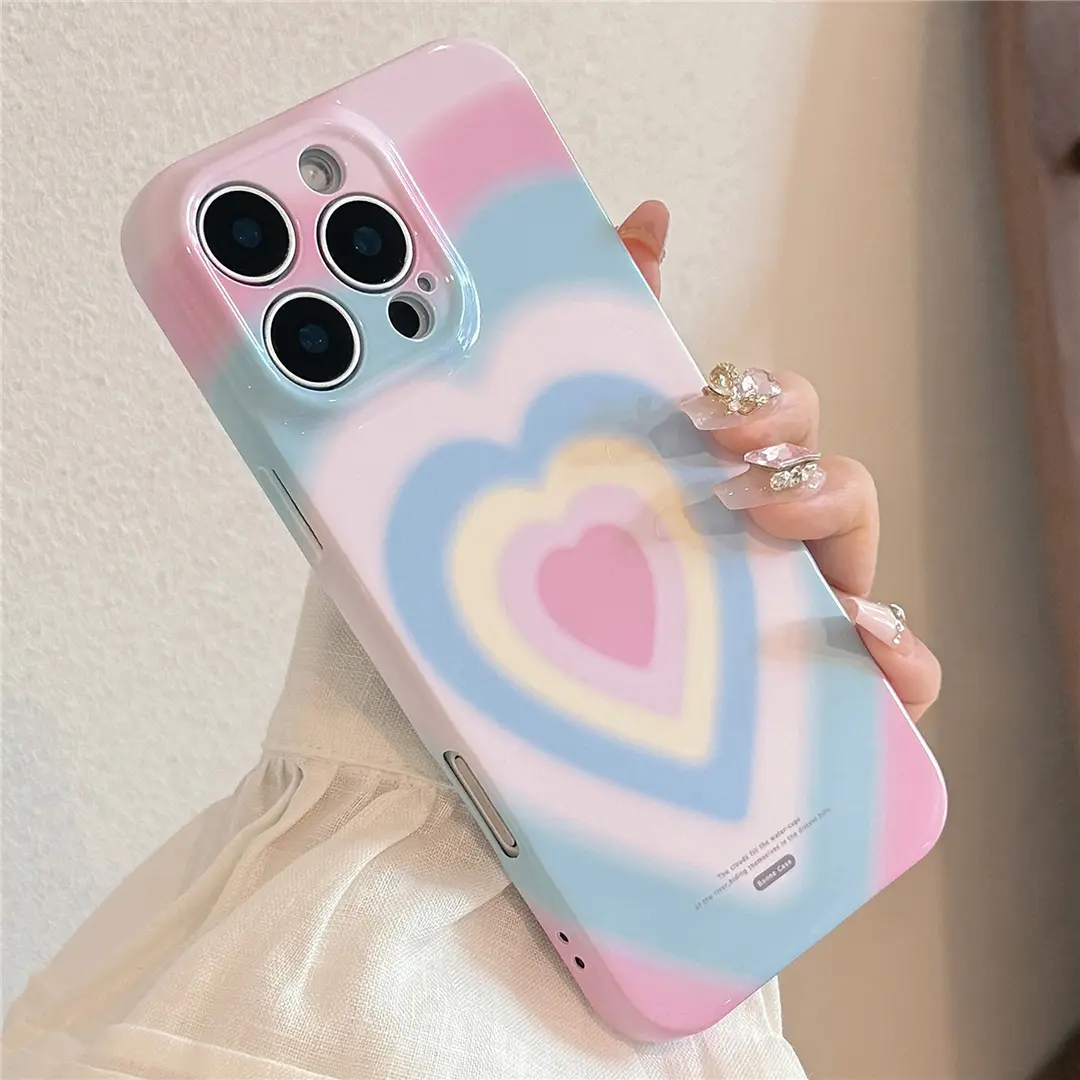 Film Series
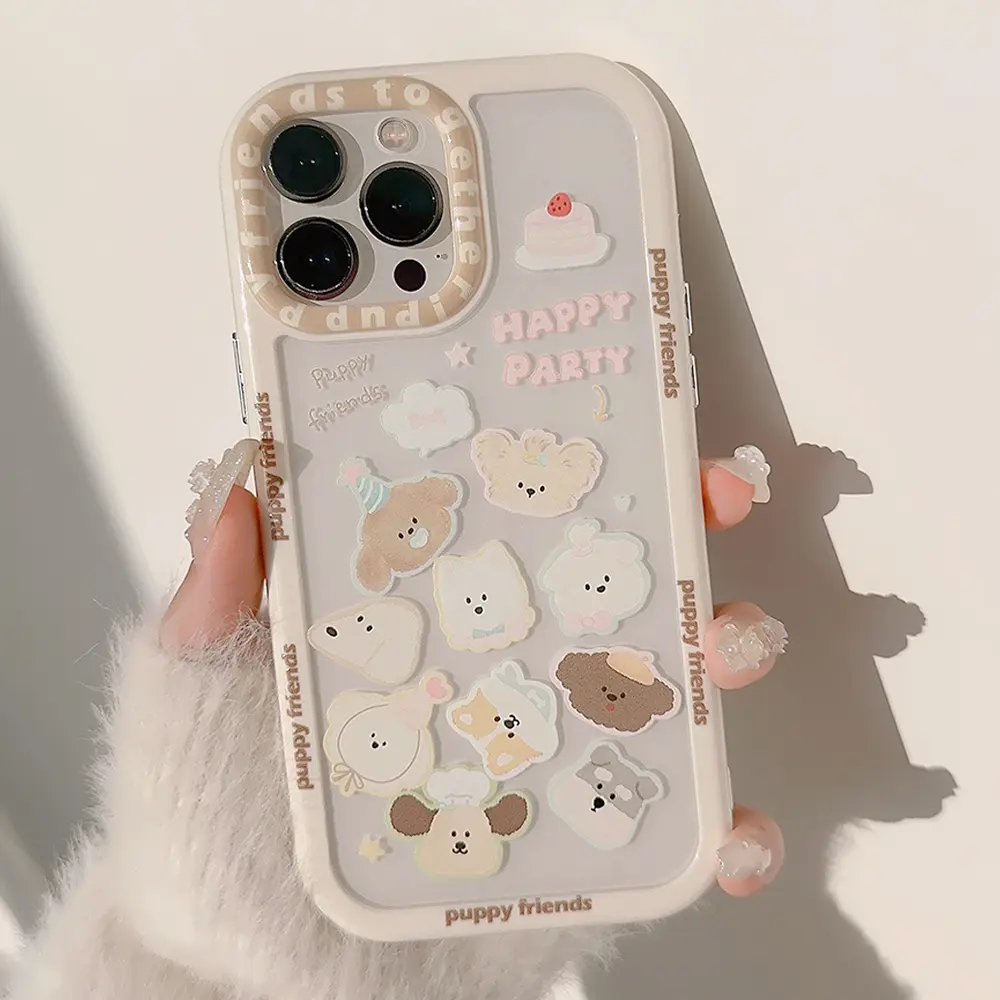 Painting Series